

Hazelnut Nutrition Facts and Health Benefits | Nut Cravings
Hazelnuts do not get the same attention as almonds or walnuts, but a few of their nutritional numbers are genuinely unusual. They have the highest proanthocyanidin content of any tree nut, the highest folate content of any nut, and a manganese level per ounce that is hard to match from any food. Here is the complete picture, including what the clinical research actually shows on cholesterol, inflammation, and whether eating hazelnuts daily causes weight gain.
One ounce of hazelnuts (21 nuts) delivers 156% daily manganese, 50% daily copper, 21% vitamin E, and 2.7g fiber at 178 calories. They have the highest proanthocyanidin content of any tree nut (501 mg/100g) and the highest folate of any nut. A meta-analysis of 9 cholesterol trials found significant LDL reduction without HDL impact. A 2019 clinical trial found hazelnut consumption upregulated antioxidant genes without causing weight gain.
Hazelnuts vs. Filberts: They Are the Same Nut
If you have seen recipes calling for "filberts" and assumed they were something different from hazelnuts, they are not. Filbert is the older American name, still used in Oregon farming and older recipe books. Hazelnut is the modern standard term, partly because European chocolate-hazelnut products pushed their naming into mainstream American kitchens. The nuts themselves, botanically Corylus avellana, are identical. Oregon grows the vast majority of American hazelnuts and remains one of the world's leading hazelnut producers alongside Turkey, which supplies the bulk of global commercial production.
In grocery stores and recipe contexts, you will see both names used interchangeably. At Nut Cravings, the Oregon-sourced hazelnuts are listed as both, and the two terms are functionally the same product.
Complete Hazelnut Nutrition Facts Per Ounce (USDA)
One ounce is approximately 21 whole hazelnuts, or 28 grams. All values from USDA FoodData Central for raw hazelnuts.
| Nutrient | Per 1 oz (28g) | % Daily Value | Note |
|---|---|---|---|
| Calories | 178 kcal | 9% | Mostly from healthy fats |
| Total fat | 17g | 22% | 78% unsaturated |
| Monounsaturated fat | 12.9g | n/a | Primarily oleic acid (same as olive oil) |
| Polyunsaturated fat | 2.2g | n/a | Linoleic acid (omega-6) |
| Saturated fat | 1.3g | 7% | Low; lower than most other nuts |
| Protein | 4.2g | 8% | Moderate |
| Total carbs | 4.7g | 2% | Low GI (glycemic index ~15) |
| Net carbs | 1.7g | n/a | Keto-compatible |
| Fiber | 2.7g | 10% | Second-highest of any nut after almonds |
| Manganese | 4mg | 156% | Highest of any nut; bone, enzymes, antioxidants |
| Copper | 0.5mg | 50% | Iron transport, immune, collagen, antioxidant enzymes |
| Vitamin E | 4.3mg | 21% | Alpha-tocopherol; second-highest nut after almonds |
| Magnesium | 46mg | 11% | Muscle, nerve, blood sugar, 300+ enzyme reactions |
| Phosphorus | 82mg | 9% | Bone, energy metabolism (ATP) |
| Thiamine (B1) | 0.18mg | 15% | "Nerve vitamin"; cognitive function, energy |
| Folate (B9) | 22 mcg | 6% | Highest folate per 100g of any nut; neural tube, homocysteine |
| Vitamin B6 | 0.18mg | 11% | Neurotransmitter synthesis |
| Iron | 1.3mg | 7% | Red blood cell formation |
| Potassium | 193mg | 4% | Blood pressure regulation |
| Proanthocyanidins | 140mg | n/a | Highest of any tree nut at 501mg/100g |
What Makes Hazelnuts Nutritionally Distinct From Other Nuts
Every nut has a nutritional signature. Almonds lead on protein and vitamin E. Walnuts dominate on omega-3 ALA and polyphenols. Brazil nuts are the selenium source. Hazelnuts occupy a different niche, and three facts stand out.
Manganese: 156% daily value per ounce
Hazelnuts deliver more manganese per ounce than almost any other food in a typical American diet. Most people have never thought specifically about manganese because most nuts only provide 5 to 20 percent of the daily value per serving. Hazelnuts deliver 156 percent.
Manganese is an essential cofactor in superoxide dismutase (MnSOD), one of the body's primary antioxidant enzymes that neutralizes the reactive oxygen species produced in mitochondria. It is also required for bone mineral density, cartilage formation, wound healing, and carbohydrate metabolism. The 2019 University of Rome nutrigenomic hazelnut trial specifically found upregulation of SOD1, the gene encoding superoxide dismutase, after six weeks of daily hazelnut consumption. Manganese is likely a significant contributing factor.
Proanthocyanidins: the #1 nut for this antioxidant class
Research published in PMC on the phytochemical composition of tree nuts confirmed that hazelnuts and pecans share the top position for proanthocyanidin content, with hazelnuts measuring approximately 501 mg per 100 grams. No other commonly eaten tree nut comes close. Cashews, macadamias, Brazil nuts, and pine nuts contain essentially no proanthocyanidins. Almonds and walnuts have them, but at much lower concentrations.
Proanthocyanidins are the same class of compounds found in grape seed extract and dark chocolate that get marketed heavily as antioxidant supplements. In hazelnuts, they occur naturally in the papery brown skin. They contribute to the slightly astringent, bitter edge of skin-on hazelnuts and are substantially reduced when the skin is removed in the blanching process. For antioxidant purposes, skin-on raw hazelnuts are the right format.
Folate: the highest of any nut per 100 grams
Hazelnuts have the highest folate content of any nut at approximately 113 micrograms per 100 grams. A standard one-ounce serving provides 6 percent of the daily folate requirement, which does not sound dramatic, but across a population eating nuts daily, this matters for two groups particularly: women of childbearing age (folate prevents neural tube defects), and older adults (folate reduces homocysteine, elevated levels of which are associated with cognitive decline and cardiovascular disease).
What the Clinical Research Shows: Cholesterol, Inflammation, and Weight
Hazelnuts have been studied in more clinical trials than most people realize, though they do not receive the media coverage of almonds or walnuts. Here are the three most significant research findings.
This systematic review and Bayesian meta-analysis pooled data from nine hazelnut studies covering 425 people. It specifically analyzed the three randomized controlled trials with the most rigorous methodology. The results showed a statistically significant reduction in LDL cholesterol (pooled mean difference of -0.15 mmol/L) in favor of hazelnut-enriched diets. Total cholesterol showed a marked trend toward decrease. HDL cholesterol remained stable (mean difference near zero). Triglycerides and body mass index were not significantly affected.
The dosage range across studies was 29 to 69 grams per day, which is 1 to 2.5 ounces. The intervention duration ranged from 28 to 84 days. This means meaningful LDL reductions appeared within one month and held through three months of daily hazelnut consumption. The lack of any negative effect on HDL or body weight is consistent with what the research on other nuts shows, and is a meaningful finding given how often calorie-dense foods are assumed to raise weight or triglycerides.
Di Renzo and colleagues at the University of Rome ran a prospective pilot clinical trial in which 24 healthy volunteers consumed 40 grams of hazelnuts daily as a snack for six weeks. The researchers used a nutrigenomic approach, measuring gene expression changes for 12 anti-inflammatory and antioxidant genes at baseline and after intervention.
Body composition analysis showed no significant changes after hazelnut consumption. Despite the additional daily calories from 40 grams of hazelnuts, participants did not gain weight. The gene expression results were striking: significant upregulation was found for SOD1 (superoxide dismutase 1, a primary antioxidant enzyme), CAT (catalase, the enzyme that neutralizes hydrogen peroxide), MIF (macrophage migration inhibitory factor, an immune regulator), PPARgamma (a nuclear receptor controlling fat metabolism and inflammation), VDR (the vitamin D receptor), MTHFR (involved in folate metabolism), and ACE (angiotensin-converting enzyme, involved in blood pressure regulation).
The fact that antioxidant and anti-inflammatory genes were upregulated while weight remained stable is the unusual finding here. Most calorie-equivalent snack foods do not produce gene expression changes in this direction. The researchers attributed the absence of weight gain to the improvement in metabolic efficiency driven by antioxidant gene upregulation, specifically through PPARgamma's role in fat metabolism.
A clinical trial at Oregon State University examined whether daily hazelnut consumption could improve vitamin E and magnesium status in older adults, two nutrients consistently identified as deficient in the typical American diet. Over 90 percent of US adults fail to meet recommended vitamin E intake, and 60 percent fall short on magnesium.
The trial found that daily hazelnut consumption significantly improved alpha-tocopherol (vitamin E) status in participants, measured through blood biomarkers. This is practically significant because vitamin E from food sources is absorbed and utilized differently than supplemental vitamin E, and because hazelnuts provide the specific alpha-tocopherol form of vitamin E that is most actively maintained and utilized by the body.
Skin-On vs Blanched: Which Hazelnut Is Better for Health?
This question comes up specifically because hazelnuts are sold in two common forms: with the skin intact (raw or roasted) and blanched (skin removed). The distinction matters more for hazelnuts than for most other nuts because the skin is where the antioxidants are concentrated.
Why the skin matters for antioxidants
An 8-week study found that eating hazelnuts, whether with or without the skin, significantly decreased oxidative stress compared to not eating hazelnuts at all. However, the antioxidant content was meaningfully higher in skin-on hazelnuts. The proanthocyanidins, phenolic acids, flavonoids, and catechins that account for much of the antioxidant activity in hazelnuts are concentrated in the papery brown outer skin. Blanching removes most of this.
Roasting reduces proanthocyanidins further, though it does not eliminate them entirely and can enhance the bioavailability of some other compounds. The MUFA fat profile, mineral content, vitamin E, and folate are preserved across both raw and roasted formats.
Which format to choose based on your goal
For snacking and broad nutritional benefit, raw skin-on hazelnuts are the optimal format. For baking, confectionery (Nutella-style spreads, gianduja chocolate, hazelnut flour), or for people who find the skin's bitterness off-putting, blanched hazelnuts are the better practical choice. Both deliver the full mineral profile and most of the healthy fat and vitamin E. The antioxidant difference is real but not the only reason to eat hazelnuts.
Where Hazelnuts Fit in the Nut Nutrition Hierarchy
No nut is best at everything. Hazelnuts occupy a specific nutritional niche that complements rather than duplicates what you get from almonds, walnuts, or Brazil nuts.
| Nut | Strongest nutrient | Hazelnuts comparison |
|---|---|---|
| Hazelnuts | Manganese (156% DV), proanthocyanidins (#1), folate (#1) | Unique; no other nut leads here |
| Almonds | Vitamin E (37%), protein (6g), fiber (3.5g) | Hazelnuts: less protein, similar fiber, less vitamin E but lead on manganese |
| Walnuts | ALA omega-3 (2.5g), polyphenols (ellagitannins) | Hazelnuts: no ALA, but lead on proanthocyanidins and folate |
| Brazil nuts | Selenium (700%+ DV per oz) | Hazelnuts: no notable selenium, but far better on all other minerals |
| Cashews | Copper (70%), zinc, magnesium | Hazelnuts: comparable copper (50%), but stronger on manganese and vitamin E |
| Pecans | Antioxidants (ORAC), gamma-tocopherol | Hazelnuts: similar proanthocyanidins, different antioxidant profile |
| Macadamias | MUFA (80%), lowest carbs, omega-7 | Hazelnuts: similar MUFA, better mineral and vitamin profile |
The practical implication: if you are already eating almonds regularly and want to broaden your nut nutrition, hazelnuts add the specific manganese, folate, proanthocyanidin, and copper profile that almonds do not strongly provide. They are genuinely complementary rather than redundant.
Manganese and Copper: The Two Minerals Hazelnuts Lead On
Most articles about hazelnut nutrition focus on vitamin E because it is the most recognizable nutrient. But the manganese and copper numbers are more distinctive and less commonly discussed.
Manganese: why 156% DV per ounce matters
Manganese is an essential trace mineral that serves as the cofactor for manganese superoxide dismutase (MnSOD), the primary antioxidant enzyme in mitochondria. It is also essential for bone formation, cartilage synthesis, wound healing, and glucose metabolism. Most Americans get adequate manganese from a mixed diet, but hazelnuts are one of the most efficient single food sources available. The fact that hazelnuts' gene trial specifically showed SOD1 upregulation fits with this: manganese is directly required for superoxide dismutase function, and an abundance of dietary manganese may support the synthesis and activity of this enzyme.
Copper: 50% DV and why it matters alongside iron
Copper is required for the proper absorption and utilization of dietary iron. Specifically, ceruloplasmin, a copper-dependent enzyme, oxidizes ferrous iron to ferric iron in a form that can be incorporated into hemoglobin. People who eat iron-rich foods alongside poor copper status may absorb and utilize iron less efficiently than their iron intake would suggest. Hazelnuts are one of the best nut sources of copper alongside cashews. The combination of copper and manganese in hazelnuts also means they support two of the body's primary antioxidant enzyme systems: MnSOD (manganese) and copper-zinc SOD (copper and zinc together).
How to Eat Hazelnuts Every Day
Hazelnuts are one of the more versatile nuts in the kitchen. They work as a snack, a baking ingredient, a dessert base, a savory topping, and a spread. Here are formats that actually fit into daily eating without requiring effort.
Plain as a snack
One ounce (21 hazelnuts) is a satisfying portion. Skin-on raw hazelnuts have a mildly bitter, earthy flavor that some people need a few days to acquire a taste for. If the skin bitterness is off-putting initially, a light home toast at 350F for 10 to 12 minutes deepens the flavor and reduces some of the astringency while still preserving most of the antioxidant profile. Blanched hazelnuts are sweeter and creamier straight from the bag.
Homemade hazelnut butter
Roast 2 cups of skin-on hazelnuts until fragrant. Transfer to a food processor and blend for 10 to 15 minutes, scraping the sides every few minutes. The hazelnuts will go through a crumbly phase, then a paste phase, then finally a smooth, pourable butter. Add a pinch of salt and optionally a small amount of honey or maple syrup. The result is significantly better than any commercial hazelnut butter, and you control what goes in it.
Chopped on oatmeal or yogurt
Rough-chopped hazelnuts on morning oatmeal with banana and a drizzle of honey is a quick way to add the daily manganese and copper hit while making oatmeal more filling. The fat and protein in hazelnuts extends satiety through the morning noticeably better than oatmeal alone. On Greek yogurt, hazelnuts pair particularly well with honey and fruit.
In salads with goat cheese or blue cheese
Hazelnuts are a classic European salad nut, especially in French and Italian cuisines. Toasted hazelnuts with arugula, sliced pear, blue cheese, and a sherry vinaigrette is one of the simplest restaurant-quality salads you can make at home. The bitterness of the hazelnut skin works with the bitterness of arugula and the sharpness of the cheese in a way that almonds or walnuts do not replicate.
Your Hazelnut Nutrition Questions Answered
Yes. Hazelnuts are one of the more nutritionally distinctive nuts available. They lead all tree nuts in proanthocyanidin content (501 mg/100g) and folate. They deliver 156 percent of the daily manganese requirement per ounce and 50 percent of daily copper. Clinical research shows regular hazelnut consumption reduces LDL cholesterol without affecting HDL or body weight, and upregulates antioxidant genes including SOD1 and CAT. Their monounsaturated fat profile is one of the cleanest of any nut, and their glycemic index around 15 makes them suitable for any dietary approach.
Clinical research used 29 to 69 grams per day, which is 1 to 2.5 ounces or approximately 21 to 52 whole hazelnuts. The cholesterol-lowering effects appeared within this range over 28 to 84 days. One ounce (21 hazelnuts, about 178 calories) is the standard daily serving and provides meaningful manganese, copper, vitamin E, and fiber without excessive calories. The 2019 gene expression trial used 40 grams (1.4 oz) daily and found no weight gain alongside antioxidant gene upregulation.
No. Almonds lead hazelnuts on vitamin E, providing about 37 percent of the daily requirement per ounce compared to hazelnuts' 21 percent. Both are in the top tier of nut sources for vitamin E, and both are significantly better than walnuts, Brazil nuts, cashews, or macadamias for this vitamin. Where hazelnuts pull ahead of almonds is on manganese (156% vs approximately 25% DV per oz), copper (50% vs 17%), folate, and proanthocyanidin antioxidants.
Yes. The clinical evidence is consistent. A meta-analysis of 9 studies found significant LDL reductions and marked trends toward total cholesterol reduction from hazelnut-enriched diets. An individual trial of 21 high-cholesterol participants found reductions in cholesterol, triglycerides, and inflammation markers, plus improvements in artery health. The mechanisms include hazelnuts' high oleic acid content (the same MUFA in olive oil), fiber that binds cholesterol in the gut, and phenolic antioxidants that reduce LDL oxidation. No negative effects on HDL or body weight were found across the research base.
There is no nutritional difference. Filbert is the older American name for hazelnut, primarily used in Oregon agricultural contexts and older cookbooks. Hazelnut is the modern standard term used in most recipes, product labeling, and retail contexts. Both refer to the same nut, Corylus avellana. Occasionally, "filbert" specifically refers to the cultivated variety of hazelnut grown commercially in Oregon and California, as distinct from wild European hazelnuts, but this distinction is rarely maintained in everyday usage. For practical purposes, hazelnut and filbert are interchangeable.
For maximum antioxidant benefit, skin-on is better. The brown papery skin contains the highest concentration of proanthocyanidins and other phenolic antioxidants. Blanching removes most of this. An 8-week clinical study found that both skin-on and blanched hazelnuts reduced oxidative stress compared to no hazelnuts, but skin-on hazelnuts showed higher antioxidant activity. For baking and confectionery applications where skin bitterness is undesirable, blanched hazelnuts are the practical format. For daily snacking focused on health benefits, skin-on raw hazelnuts are the better choice.
Oregon Hazelnuts, Packed Fresh, With the Antioxidant Skin Intact
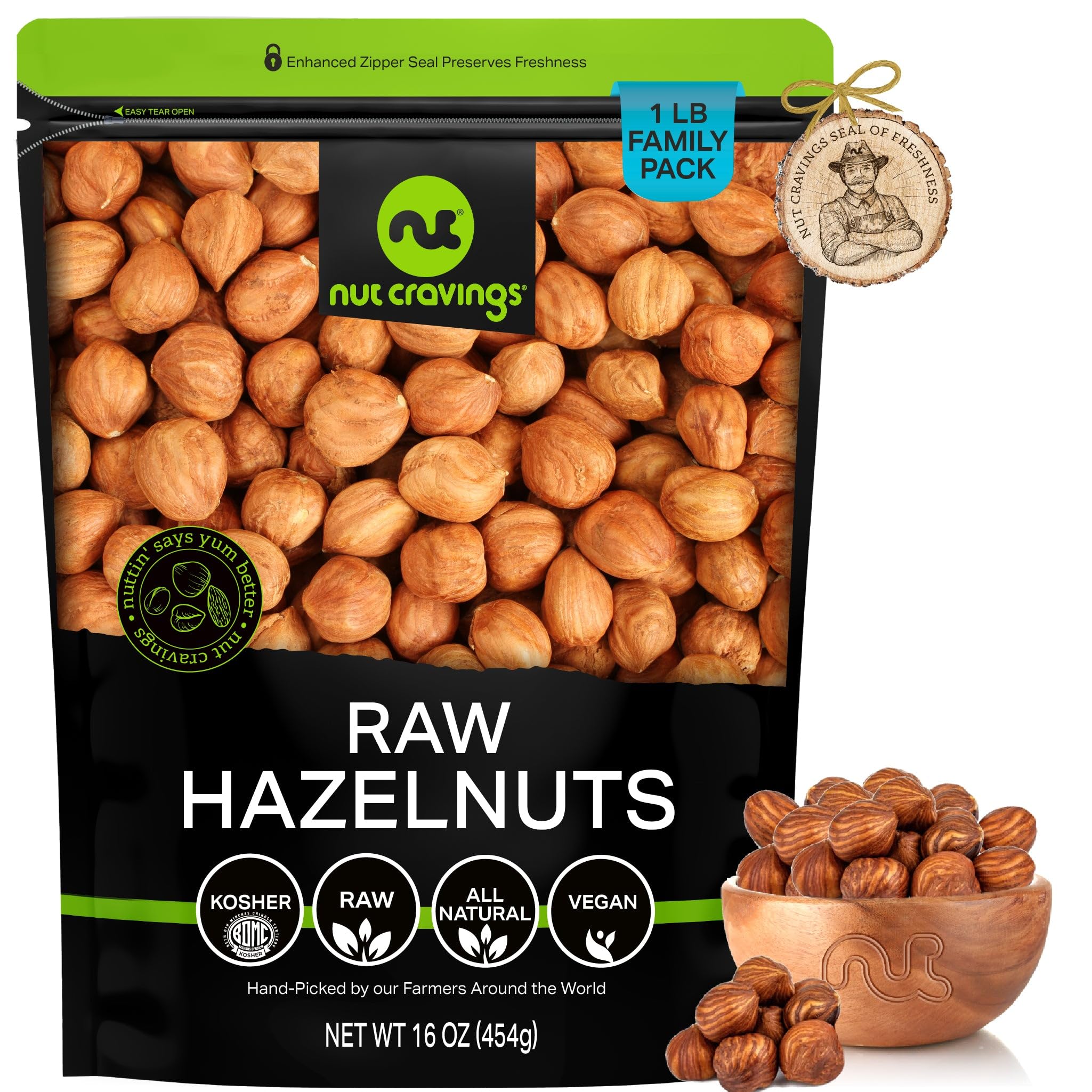
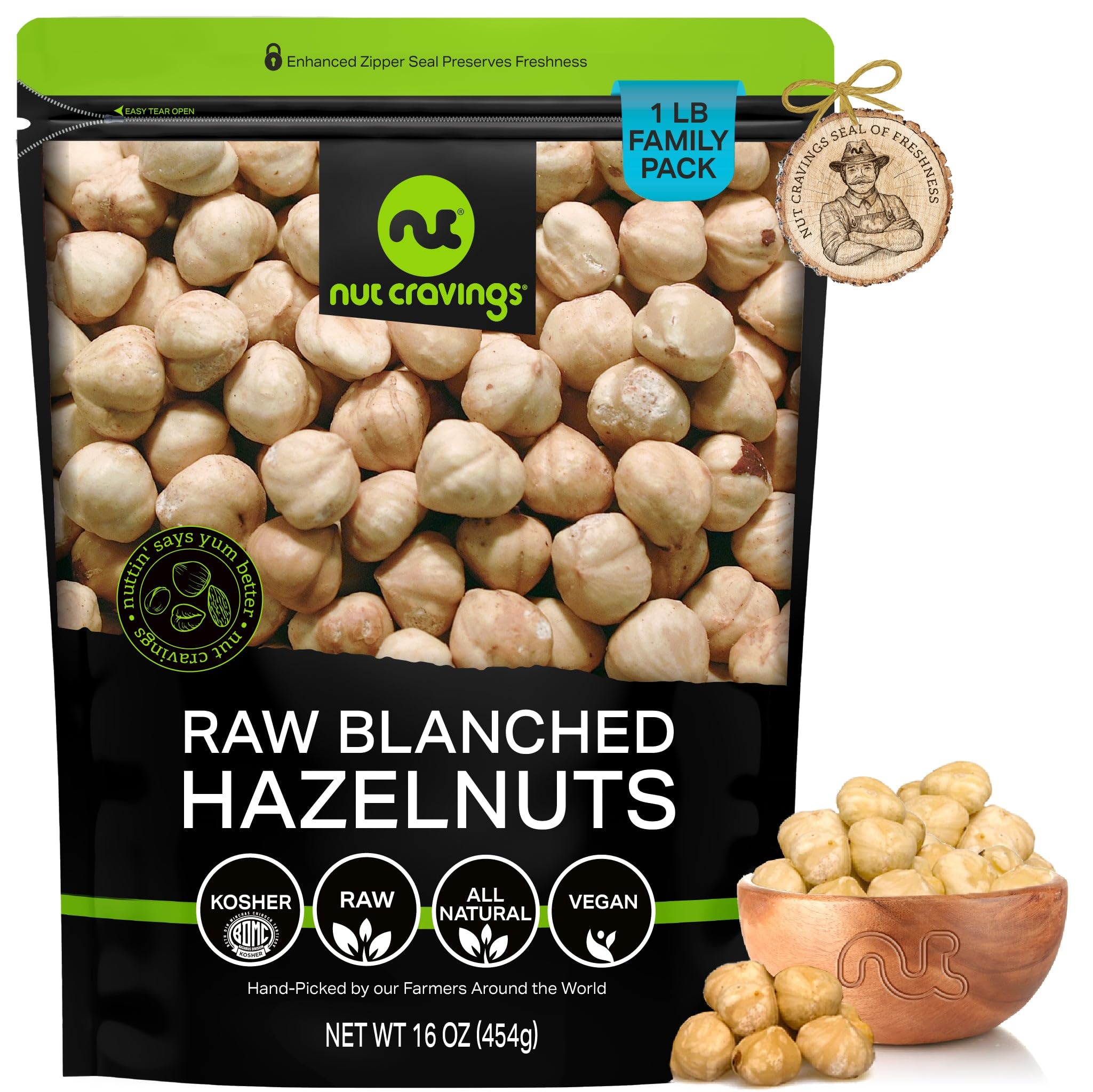
Oregon grows nearly all of North America's commercial hazelnuts. Our hazelnuts are sourced from Oregon, packed fresh in Monroe, NY, and shipped directly. Two formats available: skin-on raw for maximum proanthocyanidin antioxidants, and blanched raw for baking and confectionery where milder flavor matters more than skin polyphenols.
Packed fresh in Monroe, NY from Oregon-sourced stock
Hazelnuts go stale faster than harder nuts because of their higher fat content. Warehouse-stored hazelnuts that have been sitting in distribution channels for months taste noticeably less fresh than hazelnuts packed and shipped from current-season inventory. We pack in Monroe from fresh Oregon stock and ship directly. The difference in flavor and the preserved antioxidant content matter for people who are eating hazelnuts specifically for the nutritional benefits documented in the research.
Two formats for two different purposes
Skin-on raw hazelnuts retain the highest concentration of proanthocyanidin antioxidants, concentrated in the papery brown skin. They are slightly more bitter and better for daily snacking, home roasting, and health-focused eating. Blanched hazelnuts have the skin removed, giving a milder, creamier flavor preferred for homemade Nutella, gianduja chocolate, hazelnut flour, and pastry applications where bitterness is unwanted. Both formats are packed fresh from Oregon-sourced stock and carry OU Kosher certification.
Resealable bags protect the hazelnut oils from oxidation
The oleic acid in hazelnuts is more stable than walnut or Brazil nut fats, so hazelnuts last reasonably well once opened. But without a proper resealable closure, they still degrade over the weeks a bag typically lasts. Our zipper-seal bags close properly after every use. For a daily snacking nut you eat one ounce at a time over several weeks, this keeps the flavor and fat profile intact throughout.
OU Kosher certified across both hazelnut formats
Both the skin-on and blanched hazelnut products carry OU Kosher certification through third-party inspection and documented auditing. External certification for buyers who require it. For everyone else, an independent quality signal that required genuine verification to obtain and maintain.
Free shipping on orders $25 and up
A one-pound bag of hazelnuts hits the free shipping threshold. For buyers building a daily hazelnut habit, not paying shipping on every restock makes a meaningful difference over a year. Free shipping is built into the pricing structure rather than offered conditionally.
Featured on Good Morning America
Nut Cravings has been featured on Good Morning America, providing an independent editorial quality signal that new buyers can verify. Combined with OU Kosher certification and direct-from-packer freshness, it represents three external quality indicators for first-time buyers.
Shop Hazelnuts at Nut Cravings
Oregon-sourced, packed fresh in Monroe, NY. OU Kosher certified. Raw skin-on and blanched. Free shipping on orders $25+.