

Best High-Protein Nuts Ranked by Protein Per Ounce | Nut Cravings
Not all nuts are equal on protein. Almonds and peanuts are in a different tier from macadamias and pecans. But protein grams per ounce is only part of the story. Calories per gram of protein, amino acid quality, and how nuts actually function as a snack all matter more than the headline number. Here is the complete breakdown, starting with the ranking.
Among tree nuts, almonds lead at 6g protein per ounce, followed by pistachios (5.7g), cashews (5.2g), walnuts (4.3g), hazelnuts (4.2g), and Brazil nuts (4.1g). Peanuts hit 7.3g per ounce but are technically legumes. Pecans and macadamias sit at the lower end with 2.6g and 2.2g respectively. For protein-per-calorie efficiency, almonds and peanuts win clearly.
All Major Nuts Ranked by Protein Per Ounce
All values from USDA FoodData Central. One ounce is 28 grams, the standard serving size. Values for raw, unsalted varieties unless noted.
Protein Per Calorie: The More Useful Comparison
Raw grams of protein per ounce tells you how much protein you get in a small serving. But if you are eating nuts for protein, the more relevant question is how many calories come with each gram of protein. That ratio tells you whether the nut is an efficient protein source or whether the calories are mostly coming from fat.
| Nut | Protein/oz | Calories/oz | Protein per 100 cal | Best For |
|---|---|---|---|---|
| Peanuts | 7.3g | 161 | 4.5g | Protein efficiency, satiety |
| Almonds | 6.0g | 164 | 3.7g | Best tree nut for protein + fiber + minerals |
| Pistachios | 5.7g | 158 | 3.6g | Protein quality (DIAAS 86), potassium, eye health |
| Cashews | 5.2g | 157 | 3.3g | Protein + copper + magnesium |
| Walnuts | 4.3g | 185 | 2.3g | Omega-3 ALA, brain health |
| Hazelnuts | 4.2g | 178 | 2.4g | Vitamin E, folate |
| Brazil Nuts | 4.1g | 186 | 2.2g | Selenium (eat 1 to 2 per day max) |
| Pine Nuts | 3.9g | 191 | 2.0g | Culinary ingredient, appetite hormones |
| Pecans | 2.6g | 196 | 1.3g | Antioxidants, cholesterol reduction |
| Macadamia | 2.2g | 204 | 1.1g | Keto fat, palmitoleic acid omega-7 |
Almonds win the protein efficiency comparison among tree nuts. Peanuts win overall but if you need to avoid legumes or have a peanut allergy, almonds are the clear next choice. Pistachios come close behind in both raw grams and efficiency while also having better documented protein quality scores than any other nut.
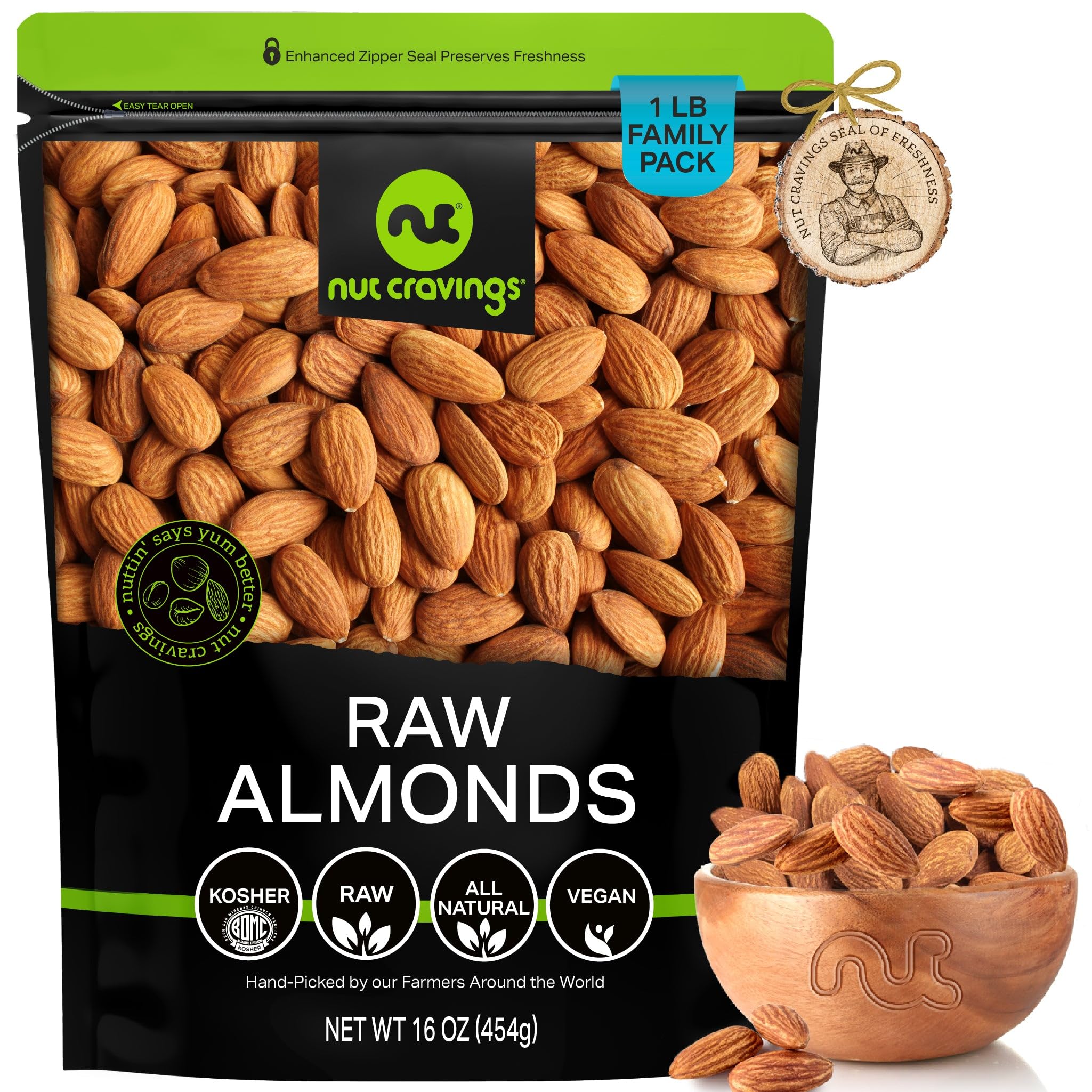
Protein Quality: Why Not All Nut Protein is Equal
Protein grams on a label measure quantity, not quality. How well the body can actually use that protein depends on two things: digestibility (how much gets absorbed) and amino acid completeness (whether all essential amino acids are present in useful proportions).
What DIAAS means and why it matters for nut protein
The Digestible Indispensable Amino Acid Score (DIAAS) is the current gold standard for measuring protein quality. It scores proteins based on both amino acid content and how much of each amino acid is actually absorbed and used. A score above 75 is considered "good quality." A score above 100 is "excellent."
Among nuts, pistachios have the best documented DIAAS score of approximately 86, based on a controlled feeding trial in pigs (the preferred model for estimating human protein digestion). That score puts pistachios in the same quality tier as several recognized high-quality plant proteins. Research on almonds and walnuts uses the older PDCAAS method, which consistently shows quality scores in the 45 to 65 percent range.
The lysine gap in most nuts
Most nuts are limited primarily by lysine, one of the essential amino acids that the body cannot synthesize and must obtain from food. Nuts provide reasonable amounts of most essential amino acids but come up short on lysine relative to what the body needs for full protein utilization. This is why pairing nuts with lysine-rich foods (legumes, dairy, eggs) across the day produces better overall protein utilization than eating nuts in isolation.
This does not mean nut protein is wasted. It means the practical ceiling for nuts as a protein source is lower than the headline grams suggest, particularly if nuts are your only or primary protein at a meal. If you eat nuts alongside other protein sources across the day, the lysine gaps fill in naturally without any deliberate combining.
How Nuts Actually Help with Satiety and Weight Management
The protein in nuts does contribute to satiety, but not through protein alone. Research shows nuts produce a satiety response disproportionate to their calorie content, and the mechanism involves several factors working together.
The incomplete fat absorption effect
A consistent finding across multiple studies is that whole nuts deliver fewer metabolizable calories than their label suggests. The reason is cellular structure. The fat in a whole nut is held inside intact plant cell walls. Those cells are not fully broken down in the small intestine, so some fat passes through unabsorbed. Studies have found that almonds deliver approximately 20 percent fewer calories than their Atwater-factor calculation predicts. This means the body extracts less energy from whole almonds than from the same fat consumed in oil form, which is part of why studies show nuts do not produce the weight gain their calorie density might suggest.
Satiety evidence from clinical trials
A 2024 meta-analysis of 37 trials found that 50 grams of almonds daily for at least 12 weeks reduced hunger scores and improved body composition measures including weight and waist circumference. A separate review in ScienceDirect concluded that whole foods high in protein, fiber, and healthy fat, including tree nuts and peanuts, consistently enhanced satiety when consumed as snacks. For almonds specifically, a 4-week randomized study found that eating almonds as a snack reduced hunger and desire to eat at subsequent meals.
The satiety effect is not strong enough to fully offset caloric intake if you dramatically overshoot portions. But at one to two ounce servings as a planned snack, most people find nuts more satiating than comparable calorie counts from crackers, chips, or candy.
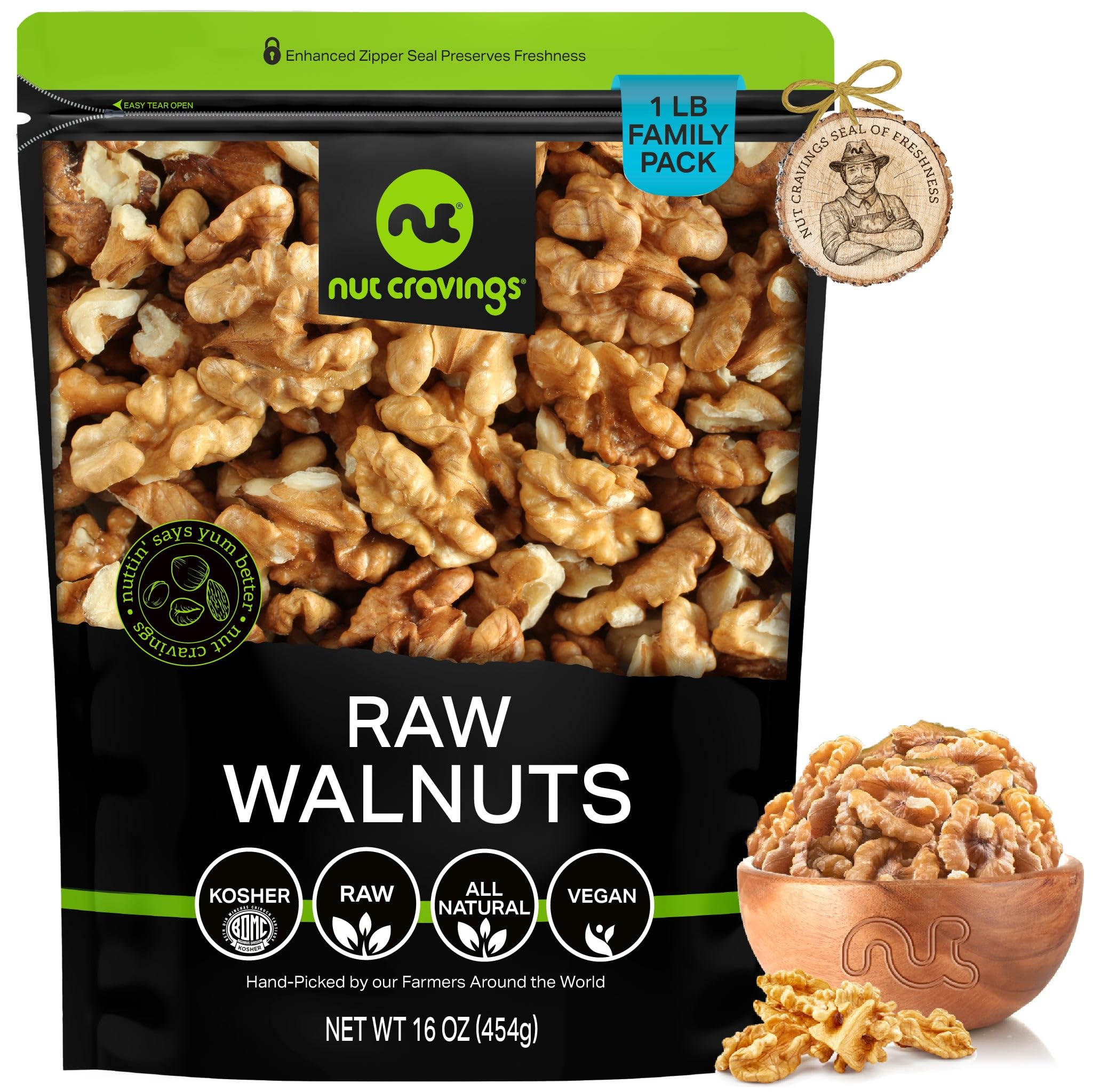
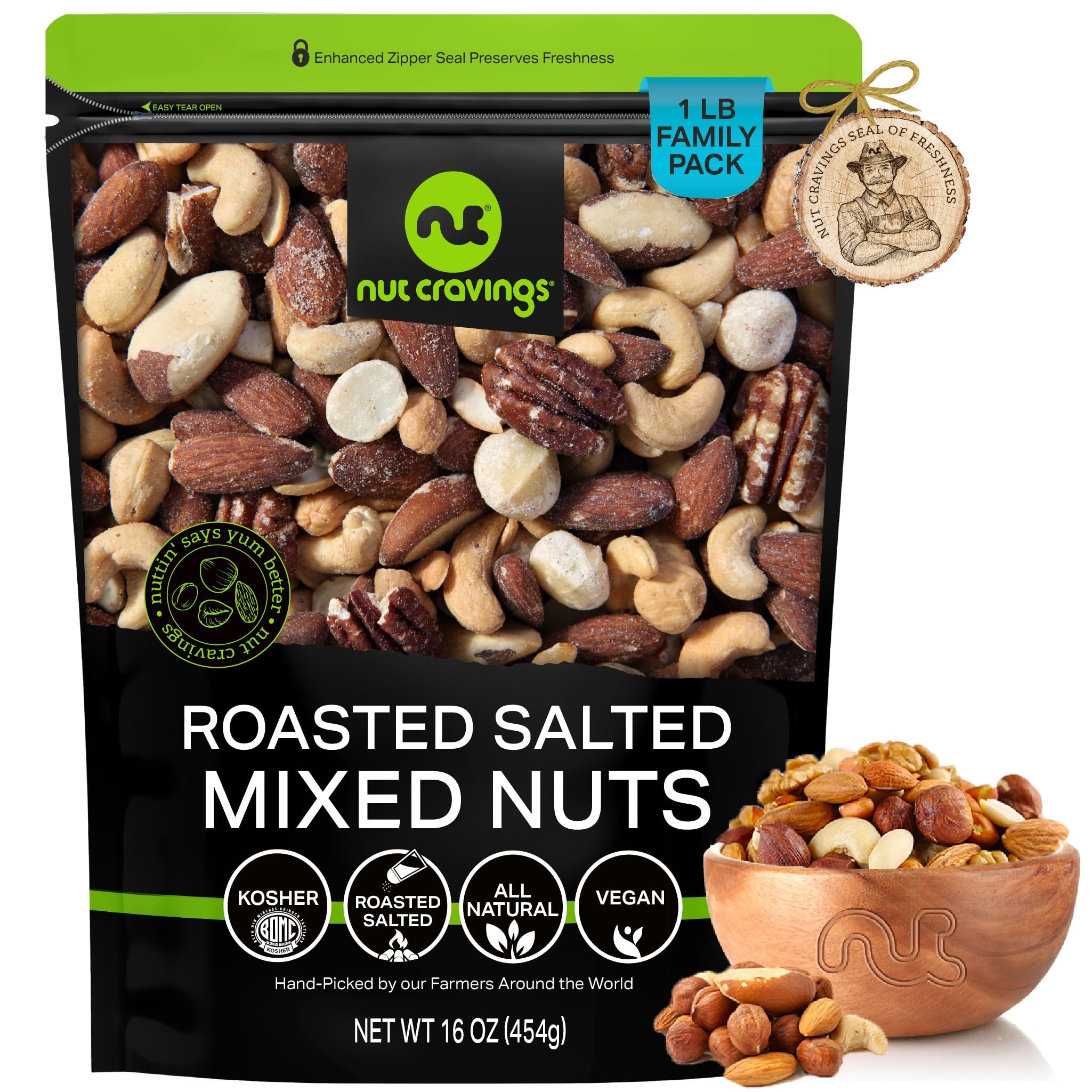
How to Use High-Protein Nuts Strategically in Your Diet
The research is clear: nuts work best as a protein contributor when they are part of a broader diet that includes other protein sources. Here is how to use the protein in nuts effectively across different contexts.
As a midday protein bridge
Portion guidance for protein goals
A one-ounce serving of almonds (about 23 nuts) between breakfast and lunch provides 6 grams of protein, 3.5 grams of fiber, and just under 165 calories. That combination slows the blood sugar drop that causes the typical late-morning energy dip and reduces the amount you eat at lunch. It is not a protein meal. It is a protein bridge that keeps your appetite in check until your next full meal.
Paired with Greek yogurt for a complete protein snack
A small bowl of plain Greek yogurt (about 15 grams protein) with a handful of chopped almonds (6 grams protein) and a tablespoon of honey combines around 21 grams of high-quality protein. The yogurt brings lysine and methionine that nuts are short on. The almonds bring vitamin E, magnesium, fiber, and healthy fat. Together they cover each other's amino acid gaps and the result is a snack that functions more like a meal in terms of satiety and protein quality.
Trail mix built for protein, not just taste
Most commercial trail mixes are built for flavor: high in chocolate chips, dried fruit, and lower-protein nuts. A protein-focused mix starts with almonds or peanuts as the base, adds pumpkin seeds (12g protein per oz, though technically seeds not nuts), a small amount of dark chocolate, and some dried cranberries or blueberries. That combination gives you roughly 6 to 8 grams of protein per ounce of mix, which is competitive with most protein bars.
Pre-workout: almonds or walnuts 30 to 60 minutes before
A small handful of almonds or walnuts before a workout provides sustainable energy from healthy fat, moderate protein for muscle priming, and magnesium for muscle contraction. The low glycemic index means there is no insulin spike followed by energy crash. This works best for moderate-intensity exercise of one hour or less. For high-intensity training, carbohydrates remain the primary fuel, and nuts alone are not the optimal pre-workout choice.
What Nuts Cannot Replace: The Honest Comparison to Other Protein Sources
Context is everything when evaluating nuts as a protein source. Here is a direct comparison to make that clear:
| Food (1 oz / standard serving) | Protein | Calories | Protein Quality |
|---|---|---|---|
| Almonds (1 oz, 23 nuts) | 6g | 164 | Good plant protein, low lysine |
| Peanuts (1 oz) | 7.3g | 161 | Best plant nut protein profile |
| Chicken breast (1 oz cooked) | 8.7g | 46 | Complete, highly digestible |
| Whole egg (1 large) | 6g | 78 | Complete, DIAAS ~1.0 |
| Greek yogurt (6 oz) | 15-18g | 100 | Complete, high lysine |
| Lentils (1/2 cup cooked) | 9g | 115 | Good, higher lysine than nuts |
| Mixed nuts (1 oz) | 4-5g | 170-190 | Varies; complementary across varieties |
An ounce of chicken provides nearly 9 grams of protein at under 50 calories. An ounce of almonds provides 6 grams at 164 calories. Nuts are not calorie-efficient protein sources compared to lean meat, eggs, or dairy. What they offer that most high-protein foods do not is the combination of healthy fat, fiber, antioxidants, and specific minerals packed into a portable, shelf-stable, no-prep format. That is a real advantage for snacking. It is just not an advantage that makes them comparable to lean protein sources at a meal.
Your Questions About Nut Protein Answered
Peanuts lead at 7.3 grams per ounce, but they are technically legumes. Among true tree nuts, almonds are the protein leader at 6 grams per ounce, followed by pistachios (5.7g), cashews (5.2g), walnuts (4.3g), and hazelnuts (4.2g). Macadamias and pecans sit at the low end with 2.2g and 2.6g respectively. If you are specifically eating nuts for protein, almonds are the clearest choice among tree nuts.
No, most nuts are not complete proteins because they are low in lysine, one of the essential amino acids. Peanuts come the closest. However, this is not a practical concern for people who eat a varied diet. Eating nuts alongside grains, legumes, dairy, or eggs across the day naturally fills in any amino acid gaps. You do not need to combine specific foods in a single meal. Overall daily protein variety is what matters.
One ounce (23 almonds) provides 6 grams of protein at 164 calories. That is a meaningful contribution to daily protein totals but not a full protein serving in the way meat or legumes are. For most people, one to two ounces daily as a snack contributes 6 to 12 grams of protein toward daily goals. Eating more than two ounces adds significant calories without proportionally higher protein returns. Pair almonds with other protein sources to hit meaningful daily protein targets efficiently.
Yes. Mixed nuts averaging 4 to 5 grams of protein per ounce also provide a broader amino acid range than any single variety alone. A blend including almonds and cashews for protein, walnuts for omega-3, and Brazil nuts for selenium covers multiple nutritional goals in one handful. For people who want protein alongside broad micronutrient coverage from a single portable snack, quality mixed nuts are one of the best options available.
Nuts support muscle building as part of a broader diet, not as a standalone muscle-building food. Almonds contain arginine (which supports blood flow and nutrient delivery to muscles) and magnesium (needed for muscle contraction and recovery). A 2024 study funded by the Almond Board found that almond consumption reduced muscle soreness during exercise recovery. But nuts should work alongside higher-protein foods, not replace them, for serious muscle building goals. They are best viewed as a snack that supports recovery rather than a primary protein strategy.
Research supports nuts as helpful for weight management, though the mechanism is not purely protein. Whole nuts are less calorically available than their labels suggest because intact cell walls limit fat absorption. A 2024 meta-analysis of 37 almond trials found reduced hunger and improved body composition with 50g daily for 12+ weeks. Multiple reviews confirm nuts do not cause weight gain when consumed in controlled portions. The key is eating nuts as a replacement for less nutritious snacks, not as a caloric addition on top of a typical diet.
Why Fresh Nuts Deliver More Than Stale Ones, Protein Included
Protein content does not degrade with age the way polyphenols or vitamins do, but the overall experience of eating stale nuts is bad enough that most people stop eating them consistently. Habit is what delivers nutritional benefits. Here is what we do to make sure the nuts you buy are worth coming back for.
Packed fresh in Monroe, NY, not from distributor warehouse inventory
Most store-shelf nuts traveled from an import warehouse to a regional distributor to a retailer before reaching you, often spending weeks to months in transit. Freshly packed nuts taste noticeably different from nuts that have been sitting at ambient temperature through multiple warehouse handoffs. When nuts taste good, people eat them consistently. That consistency is what translates to nutritional benefit.
Resealable zipper bags that preserve flavor and texture
Almonds oxidize relatively slowly compared to high-fat nuts like walnuts and macadamias, but exposure to open air still degrades quality over time. Our resealable zipper bags close properly after every opening. For people who go through nuts over two to four weeks, the difference between a proper resealable closure and a fold-over bag is noticeable in both flavor and texture by week three.
OU Kosher certified across the nut catalog
Every nut product in our core catalog carries OU Kosher certification through ongoing third-party facility inspection and documented auditing. For buyers who need certified kosher this is a hard requirement met. For everyone else it is a credible external quality signal that required real verification to obtain and maintain.
California-grown almonds with consistent flavor and nutrient density
California grows approximately 80 percent of the world's almond supply. California almonds benefit from consistent growing conditions, which produces reliable flavor profiles and nutrient density. We source from California orchards specifically. The almond variety and growing region influence flavor and fat content. Consistent sourcing means consistent results.
Free shipping on orders $25 and up
A single bag of almonds or a one-pound bag of mixed nuts typically hits the free shipping threshold. For buyers who restock monthly, not paying $8 to $12 shipping on every order adds up to a real saving over a year. We built free shipping into the pricing model rather than making it a separate loyalty perk.
Featured on Good Morning America
Nut Cravings has been featured on Good Morning America. It is the kind of independent editorial recognition that cannot be purchased and gives new buyers a quality signal beyond product descriptions. Paired with OU Kosher certification and direct-to-buyer fulfillment, it rounds out a set of three external signals that matter to buyers who have not tried the product before.
Shop High-Protein Nuts at Nut Cravings
Packed fresh in Monroe, NY. OU Kosher certified. Resealable bags. Free shipping on orders $25+.