


Everyday blends of nuts, seeds, and fruits simple, satisfying, and ready to enjoy anywhere.
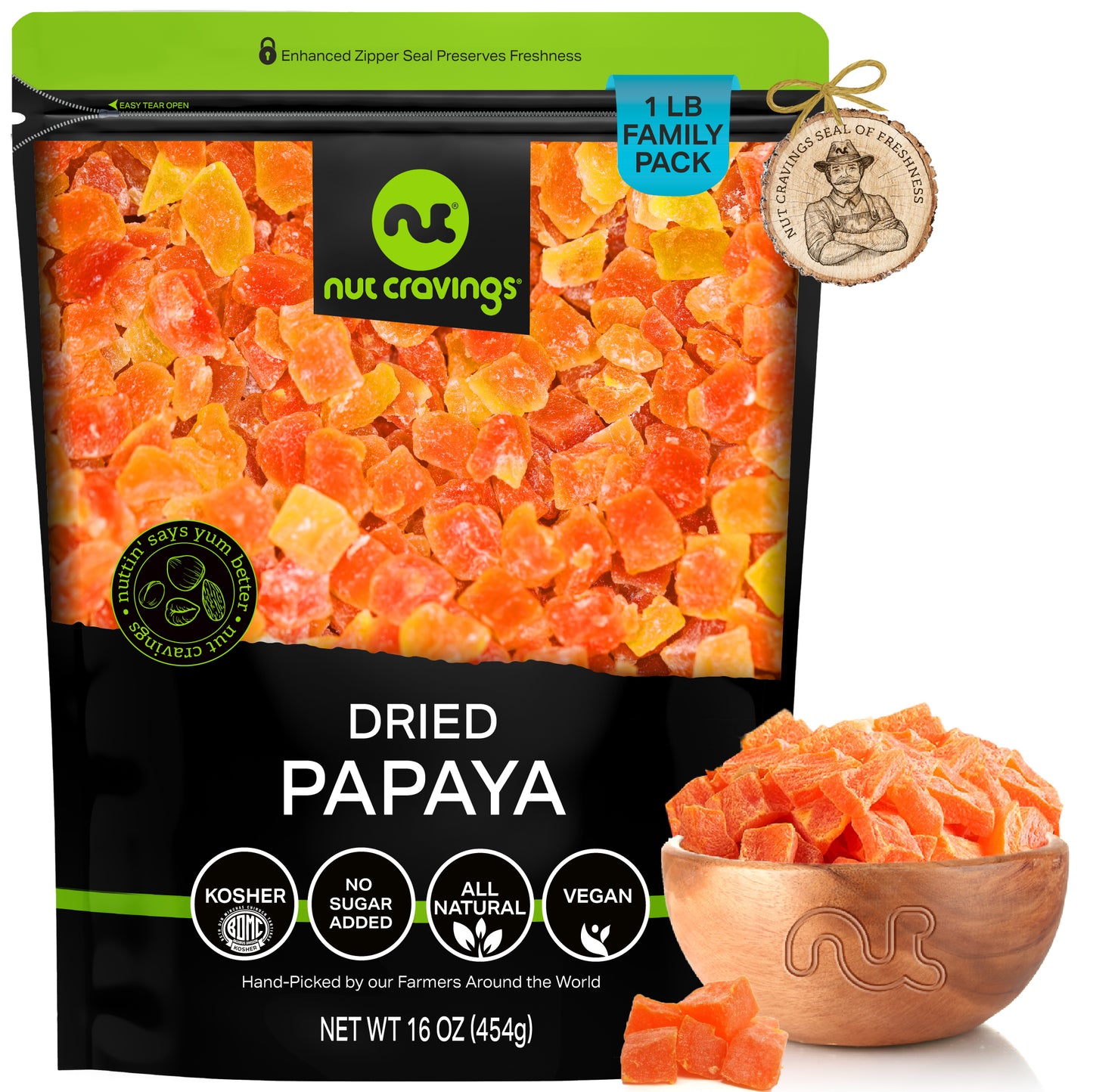
Dried Papaya Chunks — Lightly Sweetened - 0.5 lb (8 oz)
Regular price
$8.97
-17%Sale price
$8.97
Regular price
List Price:
$10.76
Quantity
Couldn't load pickup availability
- Spend $35 free shipping locked
- Spend $60 10% off locked
- Spend $100 15% off locked
Subscriptions: the 10% / 15% off applies to your first order only. Later deliveries get the regular Subscribe & Save price.
Free Shipping Over $35
Packed Fresh USA
100% Satisfaction Guarantee


You may also like
-
Raw Almonds, Blanched & Sliced
Regular price From $14.97Sale price From $14.97 Regular price List Price: -
Roasted Cashews — Lightly Salted
Regular price From $17.97Sale price From $17.97 Regular price List Price: -
Birthday Snack Box — Care Package with 45 Sweet Treats + Happy Birthday Card
Regular price From $29.38Sale price From $29.38 Regular price List Price: -
Birthday Snack Box — Care Package with 45 Sweet Treats + Happy Birthday Card
Regular price From $29.38Sale price From $29.38 Regular price List Price: -
Raw Brazil Nuts — In Shell
Regular price From $19.97Sale price From $19.97 Regular price List Price: -
Mixed Nuts Gift Basket + Green Ribbon (4 Assortments)
Regular price $24.48Sale price $24.48 Regular price List Price:
Soft-dried tropical papaya sliced into bite-size chunks, lightly sweetened, and packed in resealable stand-up bags. The texture is chewy throughout, not crunchy, not freeze-dried. Color runs orange-amber. Works as a standalone snack, a trail mix addition, or a baking and breakfast ingredient. Available in five sizes from 0.5 lb to 5 lb. Browse the full Dried Fruits collection for all dried fruit varieties from Nut Cravings.
What You're Buying
Soft-dried papaya chunks, approximately 1/2 to 3/4 inch pieces, sealed in a resealable food-safe stand-up bag.
The 5 lb bag contains 80 one-ounce servings. The resealable closure allows you to open, portion, and reseal without losing moisture between uses. For the larger sizes, portioning half into a second sealed container reduces air exposure and keeps the remaining chunks at proper texture longer.
Nutrition Facts Per One Ounce (28g, Lightly Sweetened Papaya Chunks)
- Calories: 100
- Total Fat: 0g (0% DV)
- Saturated Fat: 0g (0% DV)
- Trans Fat: 0g
- Cholesterol: 0mg (0% DV)
- Sodium: 40mg (2% DV)
- Total Carbohydrate: 26g (9% DV)
- Dietary Fiber: <1g (3% DV)
- Total Sugars: 21g
- Includes Added Sugars: 11g (22% DV)
- Protein: 0g
- Vitamin D: 0mcg (0% DV)
- Calcium: 20mg (2% DV)
- Iron: 0mg (0% DV)
- Potassium: 0mg (0% DV)
One ounce is approximately a small handful. At 100 calories per ounce, the energy comes almost entirely from carbohydrates. Total sugars are 21g per ounce, of which 11g are added sugars (22% Daily Value). Fat is 0g and protein is 0g per serving. Check the bag label for full nutrition details before making decisions based on specific macro targets.
Vegan, Source of Dietary Fiber, and Naturally Grown
Vegan: The ingredient list contains no animal products. Papaya, sugar, color, and sodium metabisulphite are all plant or mineral-derived. Suitable for vegan diets.
Source of Dietary Fiber: Each one-ounce serving provides dietary fiber at 3% Daily Value. For buyers using dried papaya as part of a higher-fiber eating pattern, pair it with nuts, seeds, or other fiber sources in a trail mix or breakfast bowl for a more complete contribution. Explore the Nuts & Seeds range for pairing options that add protein, fat, and fiber alongside dried fruit.
Naturally Grown: Grown as a conventional tropical fruit crop, as labeled on the product packaging.
How to Use Dried Papaya Chunks
Trail Mix and Snacking
The most common use. Papaya chunks hold their shape and chew in a trail mix without softening against other dry ingredients. They balance well against nuts and bring a tropical note that Dried Cranberries and raisins cannot replicate. Combine with roasted almonds, cashews, and dark chocolate chips for a simple homemade mix. Snacking straight from the bag also works for a quick, portable option between meals.
Breakfast Bowls and Yogurt
A handful over Greek yogurt or oatmeal, paired with coconut flakes and chopped macadamia nuts, creates a tropical breakfast without additional prep. Stir into cottage cheese for a simpler option. The natural sweetness of the papaya reduces the need to add honey or sweetener to the base. Dried Pineapple works as a companion ingredient for a broader tropical fruit bowl.
Baking
Tropical banana bread, coconut-papaya muffins, Hawaiian sweet bread, and carrot cake all work well with dried papaya folded into the batter. Soak the chunks in warm water for 15 minutes before folding into batter to plump the fruit and prevent it from pulling moisture out of the surrounding crumb during baking. For granola, chop the chunks smaller and stir in after the oats finish toasting rather than baking them alongside the oats, as prolonged oven time toughens dried papaya.
Smoothies
Cover chunks in hot water and soak for 20 minutes, drain, then blend with banana, pineapple juice, and ice. The resulting smoothie carries real papaya depth. Pre-soaking is necessary because the dried chunks do not blend smoothly straight from the bag. Dried Kiwi adds a tartness contrast in a mixed tropical smoothie blend.
Choosing the Right Size
Five bag sizes are available. The 0.5 lb (8 oz) bag is a good starting point for a first purchase, providing 8 servings to evaluate texture and sweetness before committing to a larger size. The 1 lb (16 oz) bag suits regular snackers who go through dried fruit weekly. The 2 lb (32 oz) bag works for households where multiple people use the bag or for baking batches. The 3 lb and 5 lb sizes are bulk formats suited to high-frequency use, meal prep, or Healthy Snack Boxes and care package assembly. The 5 lb bag contains 80 one-ounce servings. For bulk sizes, portion half into a second sealed container to reduce how often the main bag is opened.
Storage
Seal the bag tightly after every use and store in a cool, dry location away from direct heat and light. Sealed pantry shelf life is 12 months. Once opened, the chunks gradually lose moisture and can turn leathery over 2 to 3 months. Refrigeration extends sealed shelf life to 18 months without changing the texture. If chunks do firm up after extended open storage, a quick warm water soak restores the original soft, chewy texture.
Dried Papaya Chunks Guarantee
Every Nut Cravings order is backed by a 100% satisfaction guarantee. If these chunks arrive below the quality or freshness standard you expect, contact our team and we will make it right. Browse our Dried Peaches and Dried Pears for more dried fruit options, or explore the complete Dried Fruits range from Nut Cravings.
Customer Reviews
Frequently Asked Questions
We’re More Than Just Snacks
Nuts

Dry Fruits
Everyday blends of nuts, seeds, and fruits simple, satisfying, and ready to enjoy anywhere.

Gifts
Beautiful assortments made to delight perfect for birthdays, holidays, & heartfelt thank yous.

Organic
Pure and certified organic — clean, natural ingredients for mindful snacking.

Seasonal Gifts
Limited-edition assortments inspired by every season and celebration.

Chocolate & Treats
Chocolates, brittles, and confections that turn any snack break into a special moment.

Mixed Nuts & Bar Mix
Protein-packed combinations of nuts, seeds, and fruits crafted for energy and wellness.

Care Packages
Thoughtful boxes filled with joy and flavor — send care to friends, family, or colleagues.

Corporate Gifting
Elegant, customizable boxes designed to impress teams, clients, and partners.