

Cashew Nutrition: Iron, Zinc, and Magnesium | Nut Cravings
Cashews do not usually get the headlines that walnuts or almonds do, but from a mineral standpoint they are genuinely exceptional. One ounce covers 70 percent of your daily copper, 20 percent of your magnesium, 15 percent of your zinc, and 10 percent of your iron. That is a concentrated mineral hit from a single snack. Here is the full picture, including what the clinical research actually shows and the one absorption caveat worth knowing.
One ounce of cashews (18 kernels) provides 157 to 163 calories, 5g protein, 13g mostly monounsaturated fat, 9g carbs, 1g fiber, and standout minerals: 70% daily copper, 20% magnesium, 15% zinc, and 10% iron. The iron is non-heme (plant-based) and absorbs better when eaten with vitamin C. Copper is where cashews truly stand out, making them the richest nut source of this underappreciated mineral by a significant margin.
Cashew Nutrition Facts Per Ounce: Complete USDA Breakdown
One ounce is about 18 whole kernels. All values from USDA FoodData Central, raw unsalted cashews unless noted.
| Nutrient | Per 1 oz (28g, ~18 kernels) | % Daily Value | Context |
|---|---|---|---|
| Calories | 157 kcal | 8% | Lower than most tree nuts |
| Total fat | 12.4g | 16% | 62% MUFA, 15% PUFA, 20% saturated |
| Monounsaturated fat | 8g | n/a | Oleic acid, heart-healthy |
| Protein | 5.2g | 10% | Higher than pecans (2.6g), macadamias (2.2g) |
| Total carbohydrates | 8.6g | 3% | Highest carbs of major tree nuts |
| Dietary fiber | 0.9g | 3% | Lower fiber than most nuts |
| Net carbs | 7.7g | n/a | High for keto; see note below |
| Copper | 0.62–0.65mg | 67–70% | Richest nut source; supports iron metabolism, collagen, energy |
| Magnesium | 74–83mg | 17–20% | 300+ enzymatic reactions, muscle, nerve, sleep |
| Zinc | 1.6mg | 14–20% | Immune function, wound healing, DNA synthesis |
| Iron | 1.7–1.9mg | 9–11% | Non-heme; pair with vitamin C for better absorption |
| Phosphorus | 139mg | 11% | Bone structure, energy metabolism |
| Manganese | 0.23mg | 10% | Enzyme function, bone health |
| Potassium | 160mg | 4% | Blood pressure regulation |
| Thiamine (B1) | 0.06mg | 4% | Energy metabolism |
| Vitamin K | 9.5mcg | 8% | Bone health, blood clotting |
| Selenium | 3.3mcg | 6% | Antioxidant enzyme support |
| Folate | 20mcg | 4% | Cell division, pregnancy |
Why Copper, Magnesium, Zinc, and Iron Actually Matter
These are not interchangeable minerals. Each does something specific, and understanding what they do explains why cashews' particular mineral profile is worth paying attention to.
Copper: the mineral cashews are genuinely exceptional for
A single ounce of cashews provides roughly 70 percent of the daily value for copper, at 0.62 to 0.65 mg. No other common tree nut comes close. Almonds provide about 14 percent per ounce. Walnuts offer around 22 percent. Cashews are the copper nut by a wide margin.
Copper tends to fly under the radar compared to minerals like iron and calcium, but it plays roles that are difficult to replicate. It is required for the production of ceruloplasmin, the protein that helps the body use iron. Without adequate copper, iron cannot be properly incorporated into hemoglobin, which is one reason that a person can have low iron markers despite eating iron-rich foods, if their copper intake is also low. Copper also supports the formation of collagen and elastin, produces the enzyme superoxide dismutase (a key antioxidant), and helps the body generate energy through the electron transport chain.
Magnesium: involved in 300+ enzymatic reactions, and most people fall short
Magnesium participates in over 300 enzymatic reactions in the human body. Muscle contraction and relaxation, nerve signal transmission, blood sugar regulation, blood pressure management, bone mineralization, and the synthesis of DNA and proteins all depend on it. The mineral also regulates GABA, the body's primary calming neurotransmitter, which is why low magnesium is frequently associated with poor sleep quality, anxiety, and muscle cramps.
The gap between recommended and actual magnesium intake is significant. Research consistently shows that a large portion of adults in Western countries do not reach their daily recommended magnesium intake, a problem largely driven by diets heavy in processed foods, which lose most of their magnesium during manufacturing. Cashews at 74 to 83 mg per ounce (17 to 20 percent DV) are one of the more practical dietary sources of magnesium alongside spinach, pumpkin seeds, and almonds.
Zinc: immune defense, skin, and wound healing
Zinc is an essential trace mineral that the body cannot store in any significant quantity, which means regular dietary intake matters. It activates over 300 enzymes, supports immune cell development (particularly T-lymphocytes), speeds wound healing, drives skin cell renewal, and plays a role in DNA synthesis and repair. Zinc deficiency is one of the most common micronutrient deficiencies globally, affecting an estimated 20 to 25 percent of the world's population.
One ounce of cashews provides 1.6 mg of zinc, covering 14 to 20 percent of daily needs depending on sex. The zinc in cashews is somewhat less bioavailable than zinc from meat due to phytic acid, a naturally occurring compound in nuts that can bind minerals in the gut and reduce absorption. Soaking raw cashews overnight or roasting them reduces phytic acid and improves mineral availability.
Iron: useful for plant-based eaters, with an absorption caveat
Cashews provide 1.7 to 1.9 mg of iron per ounce, about 10 percent of the daily value for most adults. For plant-based eaters or people monitoring iron intake, that is a meaningful contribution. The caveat is that this is non-heme iron, the form found in plant foods. The body absorbs non-heme iron less efficiently than heme iron from meat, typically at rates between 2 and 20 percent depending on what else you eat in the same meal.
Vitamin C is the most reliable way to improve non-heme iron absorption. Research shows that consuming 100 mg of vitamin C in the same meal as a plant-based iron source can increase iron absorption by 67 percent or more. Practically, that means eating cashews alongside citrus fruit, strawberries, bell peppers, or kiwi. Avoiding tea and coffee in the same sitting also matters, as tannins inhibit non-heme iron absorption meaningfully.
What the Clinical Research on Cashews and Heart Health Actually Shows
Cashews are excluded from the FDA's qualified health claim for tree nuts and cardiovascular disease. That is worth knowing, and it does not mean cashews are unhealthy. It means their research record is more complicated than walnuts or almonds, largely because they have a higher saturated fat content relative to other tree nuts.
The 2017 controlled feeding trial that showed LDL reduction (AJCN)
A randomized crossover controlled-feeding trial published in the American Journal of Clinical Nutrition found that replacing saturated fat calories with cashews reduced both total cholesterol and LDL cholesterol. The key detail is that it was a controlled feeding study, meaning participants' entire diet was managed. The saturated fat reduction was built into the study design, so it is hard to separate cashew-specific benefits from the general effect of replacing saturated fat with unsaturated fat in the diet.
The 2019 free-living trial that found no LDL change (also AJCN)
A separate 2019 randomized controlled trial gave participants 1.5 servings of cashews per day in a free-living setting, meaning they continued eating their normal diet with cashews added. There were no significant changes in blood lipids, blood pressure, or other cardiovascular markers. PCSK9, a protein involved in LDL receptor regulation, was significantly decreased, which is considered a favorable finding, though LDL itself did not move.
Together, these two trials tell a coherent story: cashews can improve cholesterol when they replace saturated fat in the diet, but simply adding them on top of a typical Western diet without changing other eating patterns does not produce measurable cardiovascular benefit. This is consistent with how most food-based nutrition interventions work. The food is not a drug; context matters.
How Cashews Compare to Other Nuts on Key Minerals
The mineral comparison makes cashews' specific strengths clear. They are not the best nut for every nutrient, but for copper and the trio of minerals that support energy metabolism and immune function, nothing else comes close in the nut category.
| Nut (1 oz) | Copper % DV | Magnesium % DV | Zinc % DV | Iron % DV | Protein |
|---|---|---|---|---|---|
| Cashews | 70% | 20% | 15% | 10% | 5.2g |
| Almonds | 14% | 19% | 6% | 6% | 6g |
| Walnuts | 22% | 11% | 8% | 5% | 4.3g |
| Pecans | 38% | 8% | 12% | 4% | 2.6g |
| Brazil nuts | 23% | 25% | 10% | 4% | 4.1g |
| Pumpkin seeds | 19% | 37% | 20% | 11% | 8.5g |
| Macadamia | 23% | 9% | 4% | 5% | 2.2g |
Cashews lead the nut category on copper by a significant margin. On magnesium and zinc they are competitive at the top. Brazil nuts edge them out on magnesium, and pumpkin seeds beat them on zinc and magnesium, but pumpkin seeds are technically seeds, not nuts. Within the tree nut category, cashews sit at the top of the mineral leaderboard for most practical purposes.
Cashews and Magnesium: Why This Matters More Than Most People Realize
The magnesium story deserves more than a line in a nutrition table. About 48 percent of Americans do not get enough magnesium from their diet according to national survey data, and that figure is likely higher among people who eat a lot of processed food. Low magnesium is associated with a recognizable set of symptoms that many people attribute to other causes: muscle cramps and twitching, poor sleep quality, difficulty concentrating, increased anxiety or irritability, irregular heartbeat, and fatigue.
What makes magnesium deficiency particularly tricky to identify is that only about 1 percent of the body's total magnesium is in the bloodstream. Standard blood tests can show normal magnesium levels even when the body is meaningfully depleted, because the body compensates by pulling magnesium from bones and tissue into the blood. By the time a blood test shows low magnesium, the underlying depletion is often substantial.
One ounce of cashews providing 74 to 83 mg of magnesium, 17 to 20 percent of the daily requirement, is a practical way to close that gap without a supplement. Eating a small handful of cashews as a daily snack, ideally alongside other magnesium-containing foods like spinach, dark chocolate, or avocado, adds up meaningfully over weeks.
Magnesium and sleep: the mechanism
Magnesium regulates GABA receptors, which are the nervous system's primary braking mechanism. When magnesium levels are adequate, GABA activity keeps the nervous system appropriately calm. When levels are low, the system becomes harder to slow down, which manifests as difficulty falling asleep, lighter sleep, or early waking. A 2012 study in the Journal of Research in Medical Sciences found that magnesium supplementation improved sleep quality, sleep duration, and melatonin levels in elderly subjects with insomnia. Whether food-based magnesium from cashews produces the same effect in clinical settings is not yet conclusively demonstrated, but the mechanistic relationship is well-established.
Raw vs. Roasted Cashews: What Actually Changes Nutritionally
The mineral content difference between raw and dry-roasted cashews is small enough to be practically irrelevant for most people. Copper, magnesium, zinc, and iron levels are essentially the same. The protein content is nearly identical. The fat profile changes only minimally with dry roasting.
The meaningful differences are in texture, flavor application, and phytic acid content. Raw cashews are softer, milder, and neutral in flavor, making them the correct choice for any recipe where the cashew is processed: blended into cream or milk, used in vegan cheese, cooked into a sauce, or soaked and ground. Roasted cashews have a deeper, buttery-toasty flavor and firmer texture that makes them better for direct snacking.
For snacking: roasted wins
The flavor of roasted cashews is more satisfying as a standalone snack. They are firmer, crunchier, and more intensely flavored. Most people who buy cashews for snacking and reach for raw ones are often disappointed by the softer, less pronounced flavor. Lightly salted roasted cashews from a fresh source are one of the most reliable nut snacks available.
For cooking and recipes: raw is correct
Every recipe calling for cashew milk, cashew cream, cashew-based vegan cheese, Indian cashew curries, or cashew butter starts from raw cashews. The reason is that roasted cashew flavor conflicts with almost every culinary application where the cashew is blended or cooked. Soaking raw cashews in water for 2 to 4 hours before blending produces the smooth, creamy, neutral-flavored base that these recipes require. Using roasted cashews in the same applications produces a noticeably inferior result.
Does roasting affect the minerals?
Roasting does reduce phytic acid content slightly, which can improve mineral bioavailability. The reduction is modest but directionally positive for iron and zinc absorption. Oil-roasted cashews pick up a small amount of additional fat, typically negligible. The bigger concern with roasted cashews is added sodium in heavily salted varieties. If you are watching sodium intake, look for lightly salted or unsalted roasted options.
Smart Ways to Get Cashews Into Your Daily Routine
One ounce per day is the practical target. Here are formats that actually work as habits rather than aspirational meal plans.
Cashews as a midday mineral hit
A small jar of 18 whole cashews at your desk, eaten around midday, provides 70 percent of daily copper, 20 percent of magnesium, and meaningful zinc and iron. Pair it with half an orange or a few strawberries to activate the iron absorption boost from vitamin C. That combination takes about 30 seconds to put together and covers a lot of nutritional ground.
Cashew cream in savory cooking
Soak one cup of raw whole cashews in cold water for 2 to 4 hours, drain, and blend with half a cup of fresh water until completely smooth. The result is a neutral, creamy base that replaces heavy cream in pasta sauces, soups, and curries. It is milder than coconut cream, richer than oat milk, and carries the flavor of whatever you are cooking without dominating it. The nutrients from a full cup of cashews get distributed across multiple servings.
Cashew butter
Blend roasted cashews in a food processor for 8 to 12 minutes until smooth and creamy. It spreads more easily than almond butter and has a milder flavor. Use it on toast, in smoothies, or as a sauce base. Raw cashews produce a creamier, more neutral butter ideal for sweet applications. Roasted cashews produce a more flavorful, savory butter better suited for sauces.
Cashews in stir-fries and curries
Cashews are standard ingredients in Indian and Southeast Asian cuisine for a reason. Whole roasted cashews hold their shape and add a buttery, slightly sweet counterpoint to spicy or tangy sauces. Raw cashews added early in a braise soften and absorb flavor. Either format works depending on whether you want them to remain whole or melt into the background.
Trail mix anchored by cashews
A handful of roasted cashews with some dried cranberries, a few pumpkin seeds, and a small amount of dark chocolate is one of the most nutrient-dense portable snacks you can put together. The cashews and pumpkin seeds together cover magnesium, copper, zinc, and iron more completely than either alone.
Your Cashew Nutrition Questions Answered
Yes. Cashews are exceptional for three specific minerals: 70 percent of daily copper, 20 percent of daily magnesium, and 15 percent of daily zinc in a single ounce serving. They also provide iron, 5 grams of protein, and mostly monounsaturated fat that supports healthy cholesterol. Copper alone makes cashews stand apart from almost every other plant food, as it is essential for iron metabolism, collagen production, and antioxidant enzyme activity. The key is keeping portions at one ounce, since cashews are higher in carbohydrates than most other tree nuts.
About 1.7 to 1.9 mg per ounce, which is 9 to 11 percent of the daily value. This is non-heme iron, the plant-based form. Your body absorbs it less efficiently than heme iron from meat, typically at rates of 2 to 20 percent. Pairing cashews with 100 mg of vitamin C (half an orange, a handful of strawberries, or some bell pepper) can increase non-heme iron absorption by 67 percent or more. Avoid drinking tea or coffee in the same sitting as they significantly reduce uptake.
Yes, they are one of the better nut sources of magnesium, providing 74 to 83 mg per ounce (17 to 20 percent DV). Magnesium supports over 300 enzymatic reactions including muscle relaxation, nerve function, sleep quality, and blood sugar regulation. Many people in Western countries fall short of daily magnesium recommendations. Eating a handful of cashews daily, alongside other magnesium-rich foods, is a practical way to close that gap without supplements.
Relative to other tree nuts, yes. Cashews have 8.6g total carbs and 7.7g net carbs per ounce, which is the highest of any major tree nut. For comparison, pecans have 1.1g net carbs and macadamias have 1.5g. For people on strict keto targeting 20g net carbs per day, two ounces of cashews would use up 77 percent of that budget. On a more moderate low-carb plan, cashews fit fine in controlled portions. For most non-keto diets, their carbohydrate content is not a concern at one-ounce servings.
The evidence is mixed. A 2017 controlled feeding trial found cashew consumption reduced LDL and total cholesterol when they replaced saturated fat in the diet. A 2019 free-living trial found no significant cholesterol changes when cashews were added to an unchanged diet. The difference likely comes down to what cashews replace rather than what they contain. If they crowd out saturated fat sources, cholesterol may improve. If they are simply added on top, the benefit is not measurable. Cashews are excluded from the FDA tree nut heart health claim due to their saturated fat content, though much of that fat is stearic acid, which is neutral for LDL.
One ounce (about 18 whole kernels) is the standard recommended serving backed by nutrition research. That provides 157 to 163 calories, 5g protein, 13g fat, and the full mineral profile described in this article. For most people on a standard diet, one to two ounces daily is a healthy range. People on keto or strict low-carb diets should stick closer to half an ounce to one ounce because cashews have the highest carbohydrate content of any common tree nut.
Why Our Cashews Are Different From the Bag at the Checkout Lane
The mineral profile you just read about only matters if the cashews you buy are actually fresh. Stale cashews taste flat and oxidized, and they do not deliver the nutrition they are supposed to.
Packed fresh in Monroe, NY and shipped direct
Most cashews in grocery stores passed through a distributor warehouse before reaching the shelf, often sitting for weeks to months. We pack in Monroe, NY after receiving fresh stock and ship directly to you. You receive them at the start of their freshness window. Fresh cashews have a clean, mildly sweet, creamy flavor. Stale cashews have a flat, slightly chemical or rancid aftertaste that gets attributed to the nut itself. It is not the nut. It is age.
Resealable zipper bags that actually work
Cashews are moderately high in fat, and fat oxidizes when exposed to air. A bag without a proper seal starts degrading the flavor within days of opening. Every bag we sell has a zipper closure that reseals properly. For cashews used in cooking that you open repeatedly over weeks, this matters significantly for quality and flavor consistency.
OU Kosher certified across the cashew line
Every cashew product we sell carries OU Kosher certification through documented third-party facility inspection and ongoing auditing. This is a verified quality signal, not a self-declared one. For buyers who need certified kosher it is a requirement met. For everyone else it is external confirmation that someone checked.
Whole kernels, not previously broken stock
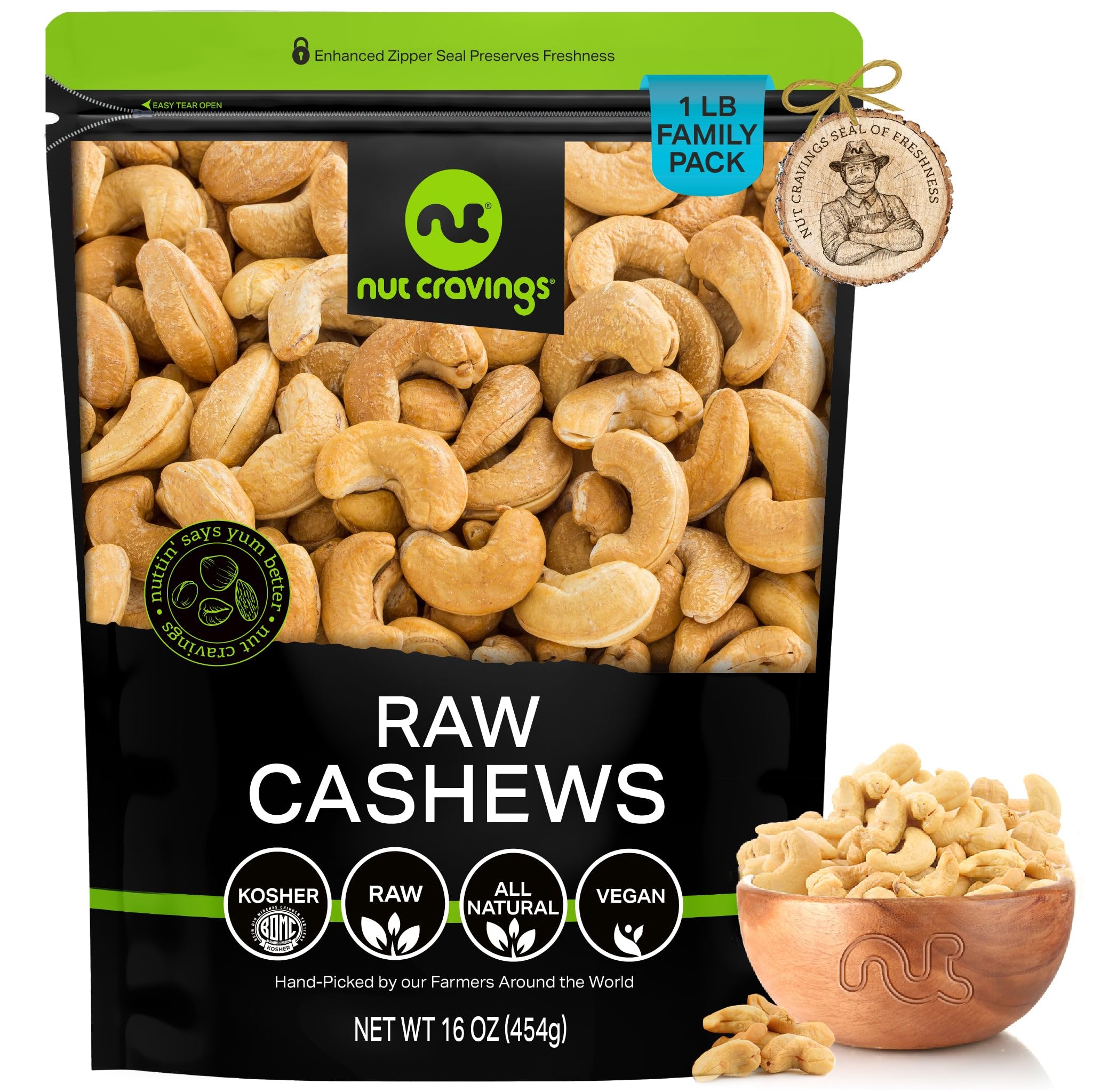
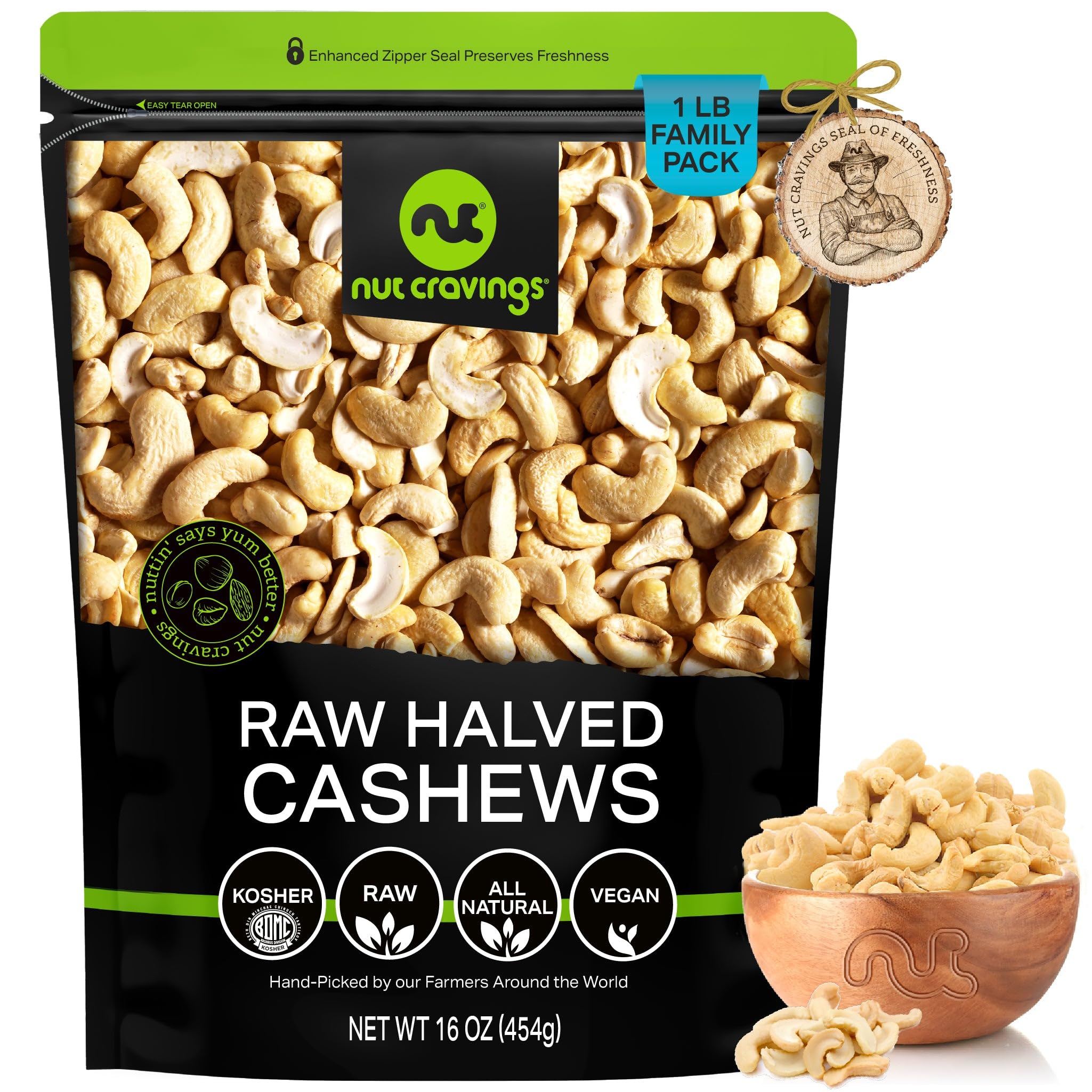
Our raw whole cashews are whole kernels selected specifically for that format. The halves-and-pieces product is a separate SKU. We do not sell broken kernels labeled as whole cashews. This matters for cooking applications that require intact kernels: cashew curries, stir-fries, and recipes where the visual presentation is part of the dish. It also matters for freshness because larger intact pieces have less surface area exposed to oxidation per gram of nut.
Free shipping on orders $25 and up
A single bag of cashews typically hits the $25 free shipping threshold, which means no $8 to $12 shipping cost per order. For buyers who go through cashews regularly as a snack or cooking ingredient, the ongoing saving is real. Specialty food shipping economics add up quickly when you are restocking monthly.
Featured on Good Morning America
Nut Cravings has been featured on Good Morning America, which gives new customers an independent editorial quality signal. Combined with OU Kosher certification and direct-to-buyer freshness, it gives you three separate data points that do not come from us about why the product is worth trying.
Shop Cashews at Nut Cravings
Raw whole, halves and pieces, roasted and salted. Packed fresh in Monroe, NY. OU Kosher certified. Free shipping on orders $25+.