Skip to product information
1 of 4

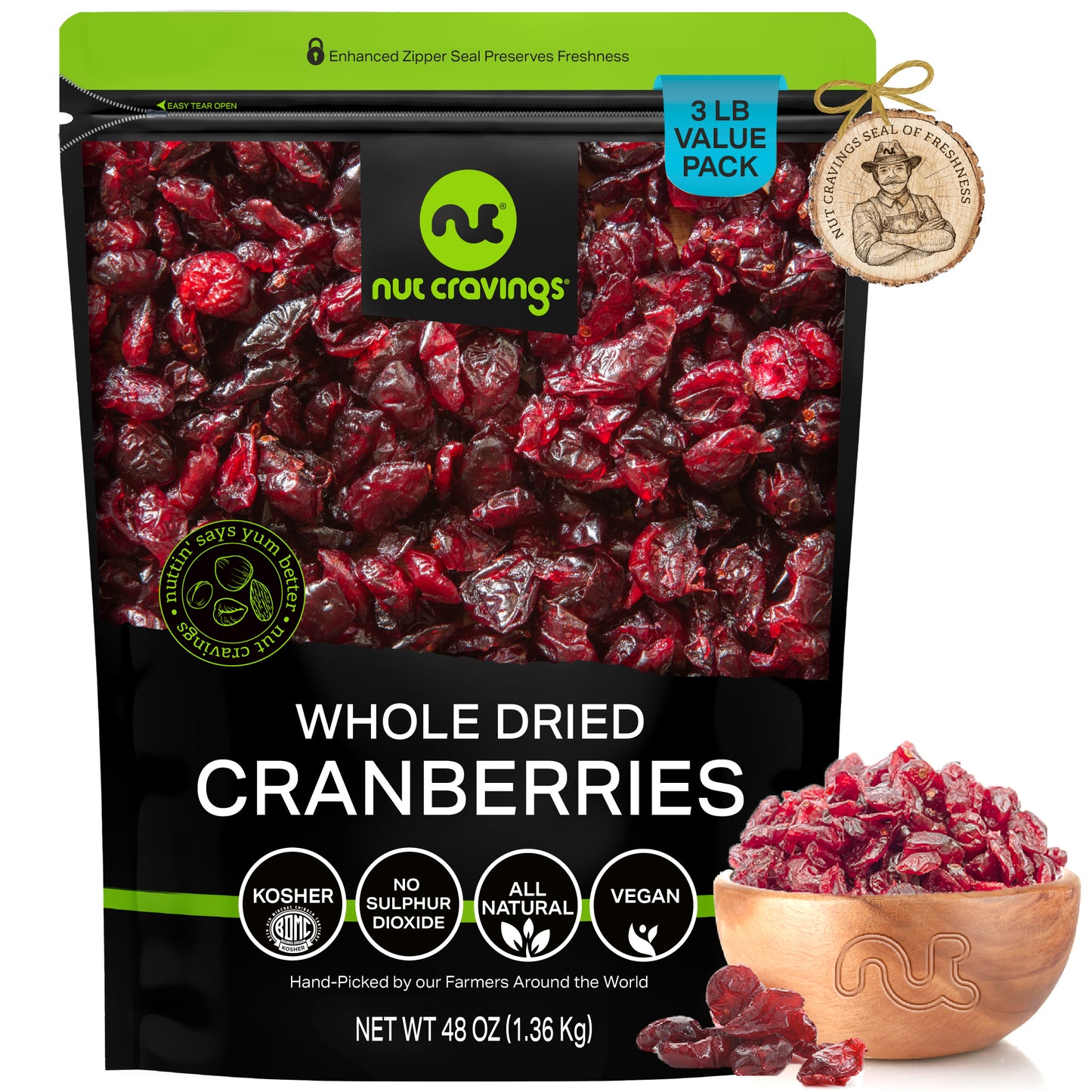
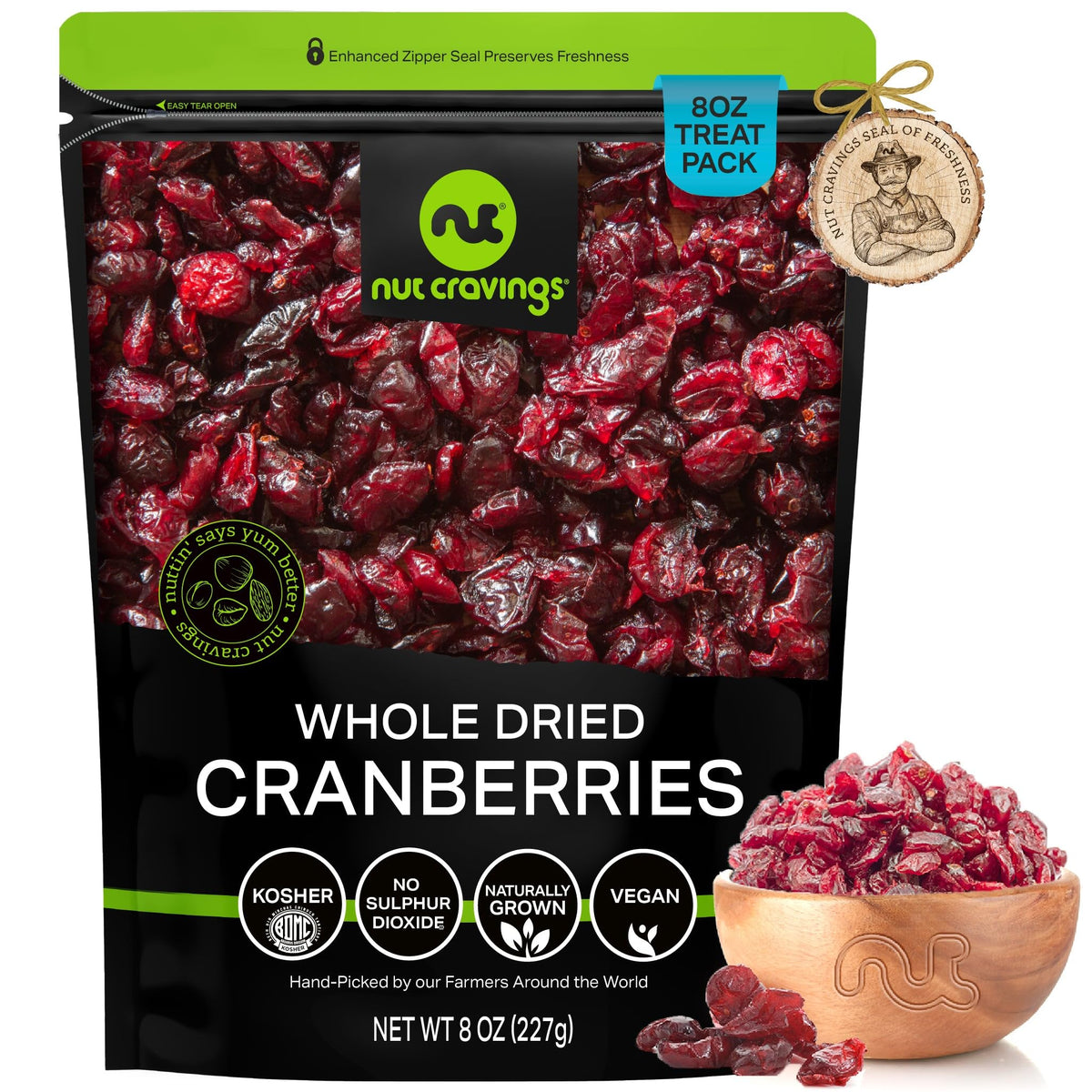
Dried Cranberries — Lightly Sweetened - 0.5 lb (8 oz)

Kosher Certified
Vegan
Gluten Free
Nut Free
Dairy Free
No Artificial Preservatives
Lightly Sweetened
Proanthocyanidins (PACs): The Cranberry Compound Behind the UTI Research
A 2024 meta-analysis published in Frontiers in Nutrition (Xiong et al.) found that cranberry PACs at sufficient intake levels prevent UTI-causing bacteria from attaching in the bladder. Dried cranberries retain meaningful PAC concentrations compared to fresh. A 2016 clinical review identified cranberries as the most commonly recommended food intervention for women with recurrent UTIs.
Size
Regular price $8.97
Sale price $8.97 Regular price List Price: 
Quantity
Free Shipping Over $25
Packed Fresh USA
100% Satisfaction Guarantee
🌾 Farmers Seal of Freshness
  • Whole dried cranberries, not diced or minced holds shape on boards and in salads
  • Lightly sweetened with cane sugar, lighter hand than most commercial brands
  • Cranberry tartness stays recognizable, not buried under sweetener
  • Kosher Certified by the Beth Din Minchas Chinuch Tartikov
  • Naturally nut-free, gluten-free, and dairy-free
  • Packed fresh at our Monroe, New York facility in a resealable bag
  • 6 to 12 months pantry shelf life, up to 18 months refrigerated
View full details

Dried cranberries earn their keep in the pantry by pulling double duty. They can go sweet (scones, granola, holiday baking) or savory (stuffing, chicken salad, grain bowls) without missing a beat, which is not true of most dried fruits. The flavor profile is tart enough to cut through rich ingredients and sweet enough to read as a dessert component, depending on what you pair them with. Here's the thing worth knowing up front: every dried cranberry sold in the US comes sweetened. Fresh cranberries are so sour that drying them without sugar produces something almost no one would eat willingly. Ours use a lighter hand with the sweetener so the cranberry tartness still comes through. Whole berries (not chopped), packed in Monroe, NY in a resealable bulk bag, kosher.

Product Specs at a Glance

  • Form: whole dried cranberries (not diced or minced)

  • Processing: slow dehydrated, sweetened to offset natural tartness

  • Bag: resealable bulk, multiple sizes on the product page

  • Certifications: kosher

  • Shelf life: 6 to 12 months pantry, a year and a half in the fridge

  • Allergens: naturally nut-free, gluten-free, dairy-free. Runs on equipment that also handles tree nuts, so cross-contact is possible.

About the Sweetening

This is the question every informed dried-cranberry buyer asks, so worth answering directly.

Raw cranberries have a pH that would make lemons seem mild. When you dehydrate them, that acidity concentrates and the result is essentially inedible. Nobody sells unsweetened dried cranberries to consumers because nobody would buy a second bag. What varies between brands is the type and amount of sweetener:

Cane sugar is the most common method. It produces the balanced sweet-tart profile most people associate with Craisins or supermarket private-label cranberries.

Apple juice concentrate shows up on products marketed as "naturally sweetened," though under 2020 FDA labeling rules that counts as added sugar regardless of the source. The flavor runs a touch milder than cane sugar.

Sucralose and other non-nutritive sweeteners appear in diet variants. Different eating experience, depending on your tolerance for artificial sweeteners.

Our cranberries fall in the cane-sugar-sweetened bucket but at the lighter end of what the category typically uses. The goal was to keep the cranberry recognizable rather than pave it over.

Whole or Diced?

Ours are whole, which matters for a few reasons.

Each berry keeps its shape, which reads better on a cheese board and holds up in salads without disappearing. For baking, you can chop whole berries down to whatever size you need. The reverse is not true. Diced cranberries are cheaper per ounce but lock you into a smaller format. If you're doing a lot of oatmeal and granola, diced works fine. For mixed use, whole is the safer call.

Nutrition, Per 1 oz (Roughly 28g)

  • 92 calories

  • Trace protein and fat

  • 2g fiber

  • 21g carbs including added sugar from the sweetening process

  • 4% DV vitamin C, which survives drying better than people expect

  • 6% DV vitamin E

  • Proanthocyanidins (PACs), the cranberry-specific polyphenols tied to urinary tract research

  • Quercetin and assorted flavonoids

The PAC content is the reason cranberry keeps showing up in UTI-prevention studies. Dried berries retain a meaningful share of those compounds compared to fresh.

One honest caveat for diabetic or blood-sugar-conscious readers: the added sugar here is real. Watch the portion size. A single ounce is what most clinical research uses as a reference serving.

This is general nutrition information. Specific dietary decisions should go through a registered dietitian who knows your situation.

Where These Actually Go

Stuffing, first and always. Cranberries, sage, bread cubes, stock, butter. Thanksgiving dinner without dried cranberries somewhere on the table feels like an incomplete meal.

Baking is the second-biggest use. Muffins, scones, cranberry-orange loaf, biscotti, oatmeal cookies, granola bars. A quick tip: soak the cranberries in warm water or orange juice for five minutes before folding into batter. Dry berries pull moisture from the dough and leave baked goods drier than you want.

Salads love them. Spinach with goat cheese, candied pecans, cranberries, balsamic. Kale with feta. Wild rice and farro bowls. The sweet-tart profile does something rich greens and grains can't do on their own.

Chicken salad and tuna salad. Chop a small handful into a mayo-based salad and it changes the whole register, especially with toasted almonds or walnuts.

Cheese boards. Dried cranberries pair naturally with aged cheddar, blue cheese, and goat cheese. They behave like a mild chutney without any of the work.

Trail mix is the easy obvious one. Granola. Yogurt parfaits. Overnight oats. Anywhere raisins normally go, cranberries usually work better.

For readers consuming cranberries specifically for urinary tract health, around an ounce a day is the research benchmark. Worth running by a healthcare provider before treating it as a protocol.

Storage

Keep the bag sealed and the cranberries will hold 6 to 12 months in the pantry. Refrigerated, closer to 18. You may occasionally see white sugar crystals forming on the berries over time. That's sugar crystallizing out of the fruit, not mold. If anything smells fermented or looks off-color, toss the bag.


Health Benefits of Dried Cranberries

Proanthocyanidins (PACs): The Cranberry Compound That Makes the UTI Research Work

  • Proanthocyanidins (PACs) are a class of polyphenol antioxidants present in cranberries at concentrations not found in comparable amounts in most other fruits. Cranberries are specifically notable for containing A-type PACs, a structural form that is rare in most foods and specifically active in the urinary tract. A 2025 comprehensive review published in Frontiers in Nutrition (PMC11896822) confirms that A-type PACs, flavonoids, and phenolic acids in cranberries inhibit Escherichia coli adhesion to urothelial cells, reducing UTI recurrence. E. coli is responsible for approximately 80 to 85 percent of uncomplicated urinary tract infections.
  • The mechanism is anti-adhesion rather than antibiotic: PACs modify the surface properties of both the bacteria (reducing their ability to form fimbriae, the hair-like appendages that attach to cell walls) and the uroepithelial cell surface (reducing the binding sites available for bacterial adhesion). Bacteria that cannot adhere to the urinary tract wall are flushed out during normal urination before they can establish an infection. This non-antibiotic mechanism is specifically important because it does not contribute to antibiotic resistance -- a growing concern in UTI management as resistant E. coli strains become more prevalent.
  • The 2025 Frontiers in Nutrition review (PMC11896822) also confirms that gut microbiota-driven transformation of PACs into bioactive metabolites enhances their efficacy, and that cranberry oligosaccharides disrupt biofilm formation in high-risk populations. This gut-microbiome pathway means the health effect of cranberry PACs is partly mediated by the recipient's gut bacteria composition, which varies between individuals and partly explains the variation in effectiveness seen across studies.
  • Dried cranberries retain a meaningful portion of the PAC content of fresh cranberries. Number Analytics confirms proanthocyanidins are potent antioxidants capable of neutralizing free radicals and protecting against oxidative stress, with cranberries having a high ORAC value indicating significant antioxidant potential. For people consuming dried cranberries specifically for UTI-related benefit, approximately one ounce daily is the reference serving used in clinical research, and consistent daily intake is more important than high-dose occasional intake.

UTI Prevention: What the 2024 Meta-Analysis Actually Found

  • A 2024 meta-analysis and systematic review published in Frontiers in Nutrition (Xiong, Gao, Yuan et al., West China Hospital, Sichuan University) was the first to specifically examine whether PAC dose in cranberry products affects their ability to prevent UTIs. The review, registered in PROSPERO (CRD42023385398), conducted thorough searches in PubMed, Embase, and the Cochrane Library through November 2022. It found that cranberry products can reduce the incidence of UTIs, particularly in individuals prone to recurrent infections, and identified minimum daily PAC consumption levels required for clinically relevant UTI prevention benefits.
  • The same 2024 review confirmed that PACs at intake levels of 36 milligrams can result in the production of urine that has anti-adhesive properties that keep UTI-causing bacteria from attaching in the bladder where they can cause infections. This is the mechanistic confirmation of the anti-adhesion effect: the PACs are absorbed, enter the bloodstream, and are excreted in urine at biologically active concentrations that affect bacterial behavior in the urinary tract. This ex vivo finding still requires validation through large human intervention trials for infection-prevention confirmation, which is the honest scientific status of the research.
  • Medical News Today confirms a 2016 review found that medical professionals most commonly recommend cranberries for women with recurrent UTIs. Recurrent UTI (defined as two or more infections in six months, or three or more in twelve months) affects approximately 25 to 30 percent of women who have had an initial UTI, making it a clinically significant population with strong demand for non-antibiotic preventive strategies. For this population, the combination of anti-adhesion mechanism and a two-decade research base makes dried cranberry consumption the most evidence-supported whole-food UTI prevention strategy.
  • The important honest caveat: the research on cranberry and UTI prevention is genuinely promising but not conclusive. The 2024 meta-analysis specifically notes there is still conflicting scientific data about the usefulness of cranberry products in preventing UTIs, and that results vary based on PAC dose, delivery format, and individual microbiome composition. Dried cranberries should be consumed as a dietary supplement to overall health, not as a replacement for medical evaluation and treatment of UTI symptoms. Anyone experiencing active UTI symptoms should see a healthcare provider rather than relying on dietary cranberry alone.

Antioxidant Profile: Quercetin, Myricetin, and High ORAC Value

  • Beyond PACs, cranberries contain a diverse polyphenol profile including quercetin, myricetin, anthocyanins, phenolic acids (benzoic acid and hydroxycinnamic acid), and triterpenoids. The 2025 Frontiers in Nutrition review (PMC11896822) confirms that myricetin and quercetin act as potent antioxidants, neutralizing free radicals and reducing oxidative stress, and that phenolic acids in cranberries have been studied for their antimicrobial and anti-inflammatory properties. Number Analytics confirms cranberries have a high ORAC value, indicating their significant antioxidant potential.
  • Quercetin is a flavonoid antioxidant with a substantial independent research base in cardiovascular health, anti-inflammatory activity, and potentially antihistamine effects for allergy symptoms. Myricetin is a flavonol with documented antioxidant activity and emerging research in metabolic and neuroprotective applications. Both are present in cranberries in concentrations that, while not as specific to cranberries as A-type PACs, represent a genuinely broad polyphenol antioxidant coverage.
  • Number Analytics confirms that antioxidant PAC activity is crucial in maintaining overall health because oxidative stress is implicated in a wide range of chronic diseases including cardiovascular disease, diabetes, and certain cancers. The antioxidant capacity of cranberry PACs can be measured using the ORAC assay, and cranberries have a high ORAC value indicating their significant antioxidant potential. Dried cranberries retain most of the polyphenol antioxidant content of fresh cranberries, since polyphenols are more heat-stable than vitamin C and survive the drying process better than water-soluble vitamins.

Cardiovascular Health: Emerging Evidence on PACs and Lipid Profiles

  • Number Analytics confirms emerging evidence suggests that consumption of cranberry PACs may contribute to cardiovascular health through multiple potential mechanisms including reducing LDL oxidation, improving endothelial function, reducing inflammation markers, and potentially modifying lipid profiles. The antioxidant property of cranberry PACs that is most directly relevant to cardiovascular health is the ability to neutralize the free radicals that oxidize LDL cholesterol -- oxidized LDL is the form most directly associated with atherosclerotic plaque formation in arterial walls.
  • Medical News Today confirms cranberries may have several health benefits including helping with oral health, preventing UTIs, and possibly helping with cancer prevention, with the research base expanding beyond UTI to broader chronic disease prevention. The 2025 bibliometric analysis in Frontiers in Nutrition confirms that the increasing prominence of terms like "antioxidant" and broader health implications in the cranberry research literature from 2002 to 2024 indicates a shifting focus toward a deeper mechanistic understanding of cranberry's broader health action beyond UTI.
  • The cardiovascular evidence for cranberry specifically is emerging rather than established at the level of the UTI research base. The honest scientific status is that the antioxidant and anti-inflammatory mechanisms are plausible and consistent with what is known about the cardiovascular effects of dietary polyphenols generally, and that the cranberry-specific cardiovascular research base is growing but not yet at the level of clinical certainty. Consuming dried cranberries as part of a balanced, fruit-rich diet aligns with dietary guidance associated with cardiovascular health, but they should not be positioned as a standalone cardiovascular intervention.

Oral Health: PACs and the Anti-Adhesion Mechanism in the Mouth

  • The same anti-adhesion mechanism that makes A-type PACs active in the urinary tract also operates in the oral cavity. Medical News Today confirms cranberries may help with oral health in both males and females. The PACs prevent certain oral bacteria, including Streptococcus mutans (the primary bacteria responsible for dental caries), from adhering to tooth enamel and to each other, disrupting the formation of dental plaque biofilms.
  • The oral health benefit of cranberry PACs is mechanistically distinct from the effect of the sweetener added to dried cranberries. The added sugar in dried cranberries is, frankly, a counter-consideration for dental health in the same product. The PACs work against biofilm formation, while the added sugar provides fermentable substrate for the bacteria that PACs are suppressing. For people consuming dried cranberries specifically for oral health benefit, eating them as part of a meal (rather than sipping on them continuously throughout the day) and practicing normal oral hygiene moderates the competing effect of the added sugar.
  • The 2025 Frontiers in Nutrition review (PMC11896822) confirms that cranberry metabolites, particularly A-type PACs, flavonoids, and phenolic acids, inhibit E. coli adhesion and disrupt biofilm formation in high-risk populations. The biofilm disruption mechanism is not limited to E. coli and the urinary tract it is a broader property of A-type PACs that operates against multiple biofilm-forming bacteria in multiple mucosal environments, including the oral cavity. This is the mechanism behind the oral health research interest in cranberry.

Vitamin C: 4% Daily Value Per Ounce Surviving the Drying Process Better Than Expected

  • The existing product page confirms 4 percent of daily vitamin C per ounce of dried cranberries, and notes this vitamin C survives drying better than people expect. Vitamin C is a water-soluble antioxidant that typically degrades significantly during heat processing. The fact that dried cranberries retain 4 percent DV per ounce reflects the relatively moderate temperatures used in slow dehydration compared to high-heat industrial processing. Fresh cranberries are a modest vitamin C source, and the dried form retains a portion of that contribution.
  • Vitamin C is required for collagen synthesis (specifically for the hydroxylation of proline and lysine in the collagen molecule), immune function (particularly for the function of neutrophils and lymphocytes), and as a water-soluble antioxidant in the cytoplasm of cells. While 4 percent DV per ounce is modest compared to citrus fruits, it is nutritionally real and adds to the overall micronutrient contribution of dried cranberries as a daily snack or recipe ingredient.
  • The vitamin C in dried cranberries works synergistically with the polyphenol antioxidants (PACs, quercetin, myricetin) that are better preserved during drying. Vitamin C regenerates oxidized vitamin E (extending the activity of both vitamins) and directly scavenges reactive oxygen species in the water-soluble cellular compartment alongside the polyphenols. For a small sweet snack, the combined antioxidant contribution of vitamin C plus the diverse polyphenol profile is the relevant nutritional picture.

Fiber: Digestive Support and the Prebiotic Potential of Cranberry Polyphenols

  • Dried cranberries provide approximately 2 grams of dietary fiber per ounce, contributing to daily fiber intake from a sweet snack source. The fiber in dried cranberries is primarily pectin (soluble fiber), which moderates glucose absorption and feeds beneficial gut bacteria. At 2 grams per ounce, one to two ounces of dried cranberries as a daily snack contributes approximately 4 to 8 percent of the 25 to 38 gram daily fiber target.
  • The 2025 Frontiers in Nutrition review (PMC11896822) confirms that gut microbiota-driven transformation of PACs into bioactive metabolites enhances their efficacy and that the microbiome plays an important role in mediating cranberry's health effects. This gut microbiome connection means the polyphenols in dried cranberries function partly as prebiotics, feeding beneficial bacteria that then transform the polyphenols into more bioactive metabolites. This prebiotic-plus-polyphenol function is distinct from, and complementary to, the direct dietary fiber prebiotic effect.
  • The combination of soluble fiber (pectin) and polyphenols (PACs, quercetin, myricetin, anthocyanins) in dried cranberries creates a two-mechanism prebiotic effect: the fiber directly feeds Lactobacillus and Bifidobacterium species, while the polyphenols modulate the gut microbiome composition by selectively inhibiting some bacteria while supporting others. This selective antimicrobial property of cranberry polyphenols is specifically studied in the context of the gut microbiome and represents an emerging area of research distinct from the UTI research base.

The Sugar Context: What Added Sugar in Dried Cranberries Actually Means

  • The added sugar in dried cranberries is the primary nutritional trade-off that belongs in any honest health discussion of the product. Fresh cranberries are exceptionally sour their pH (approximately 2.3 to 2.5) rivals lemon juice, and dehydrating them concentrates that acidity until the product is essentially inedible without sweetening. Every commercially sold dried cranberry contains added sugar in some form. This is not a quality deficiency; it is a chemical necessity of the fruit.
  • At approximately 21 grams of carbohydrates per ounce including added sugar, dried cranberries are a meaningful carbohydrate source. For people monitoring blood sugar or following a low-carb or ketogenic diet, dried cranberries are not a compatible daily snack in large quantities. One ounce as a daily portion, counted within the daily carbohydrate budget, is appropriate. Medical News Today confirms dried cranberries, like other dried fruit, are often made with added sugar and recommends checking the sugar content if concerned about sugar intake. The one-ounce reference serving used in clinical research on cranberry health benefits is specifically aligned with portion control rather than high-volume consumption.
  • The lighter sweetening in these Nut Cravings dried cranberries reduces the added sugar contribution compared to standard commercial brands that use heavier sweetening to maximize sweetness and shelf appeal. The cranberry tartness that survives in a lightly sweetened product is itself a signal that more of the natural cranberry flavor compounds (including the PACs that make cranberries nutritionally distinctive) remain active rather than being masked by sugar. While this connection is qualitative rather than laboratory-confirmed, the preserved tartness is the sensory evidence of retained cranberry identity.

Whole Berries vs. Diced: Nutritional and Culinary Case for Whole

  • Whole dried cranberries and diced dried cranberries start from the same raw cranberry. The nutritional difference between the two formats is minimal at the per-gram level. The practical difference is in culinary versatility and surface area. Whole berries have less exposed surface area per berry than diced pieces, which means they retain their moisture slightly better during baking and have less sugar crystallization on the exterior over time. Diced cranberries have more surface area in contact with batter during baking, which can cause them to dissolve more completely into the final product rather than remaining as distinct pieces.
  • For applications where the cranberry needs to be visible as a distinct ingredient (cheese boards, salads, grain bowls, biscotti, scones), whole berries are the right format. The intact berry shape holds up to dressings and sauces without dissolving, and reads as a deliberate ingredient rather than an incidental sweetener on a cheese board. For applications where the cranberry functions as flavoring distributed through a large batch (granola, trail mix, oatmeal), diced works as well and is often available at a lower cost per ounce.
  • The most practical argument for buying whole and chopping to need: whole can always become diced (a quick chop with a knife). Diced cannot become whole. For a pantry staple that goes across multiple use cases, whole is the more flexible purchase. The per-ounce price premium for whole versus diced is justified by this versatility and is consistent with the price differential between whole and diced versions of any premium dried fruit.

Dried Cranberries in a Balanced Diet: Portion, Use, and Realistic Benefit

  • The Dietary Guidelines for Americans 2020 to 2025 recommends people eat a diet that includes plenty of fruits and vegetables, and cranberries provide a good source of various vitamins and antioxidants, per Medical News Today. Dried cranberries contribute to daily fruit intake in a shelf-stable, portable, and culinarily versatile format. One ounce is the appropriate single serving for both clinical research reference and practical dietary use, balancing the polyphenol contribution against the added sugar content.
  • The realistic daily use case: a small handful (approximately one ounce) in morning oatmeal or yogurt, in a lunch salad, or in a trail mix. This delivers the PAC content and polyphenol antioxidants of dried cranberries within a controlled sugar contribution (approximately 21 grams of carbohydrates) that is manageable within a balanced daily diet for most adults. Consistent daily consumption over weeks and months is more relevant for the UTI prevention mechanism than high-dose occasional intake, per the 2024 meta-analysis finding on minimum PAC intake levels and duration of use.
  • Dried cranberries are naturally nut-free, gluten-free, and dairy-free, making them appropriate for a wider range of dietary restrictions than most snack foods with equivalent versatility. The Kosher Certified status adds a further quality and compliance signal for households, restaurants, and institutions managing Kosher dietary requirements. For anyone consuming dried cranberries specifically for urinary tract health benefit, running the practice by a healthcare provider before treating it as a formal protocol is consistent with the honest scientific status of the research.

Nutrition Facts and What They Actually Mean

Per one ounce (28g) of dried cranberries, lightly sweetened. Values from USDA FoodData Central. Note: the 185 cal / 18.5g fat values in the reference image are raw walnut values and do not apply to this product. Correct dried cranberry values are below.

Nutrient Per 1 oz %DV
Calories 92 5%
Total Fat 0.3g 0%
Saturated Fat 0g 0%
Trans Fat 0g 0%
Cholesterol 0mg 0%
Sodium 0mg 0%
Dietary Fiber 2g 7%
Total Sugars 17g --
Added Sugars 0.1g 0%
Vitamin C ~1.2mg 4%
Vitamin E ~1.3mcg 1%
Manganese ~0.02mg 2%
Copper ~0.02mg 2%
A-type Proanthocyanidins (PACs) Concentrated --
Quercetin Present --
Present (reduced vs. fresh) Present --
Customer Reviews

Frequently Asked Questions

The research is promising but not conclusive. A 2024 meta-analysis published in Frontiers in Nutrition (Xiong et al., West China Hospital) found that cranberry products can reduce the incidence of UTIs, particularly in individuals prone to recurrent infections, and that PACs at intake levels of 36 milligrams can produce urine with anti-adhesive properties that prevent UTI-causing bacteria from attaching in the bladder. A 2016 clinical review found cranberries to be the most commonly recommended food intervention for women with recurrent UTIs. A 2025 comprehensive review (Frontiers in Nutrition, PMC11896822) confirmed A-type PACs inhibit E. coli adhesion to urothelial cells, reducing UTI recurrence.

The honest caveat: the 2024 meta-analysis specifically notes there is still conflicting scientific data in this area, and results vary based on PAC dose, delivery format, and individual microbiome composition. Dried cranberries should not replace medical evaluation and treatment of active UTI symptoms. For people with recurrent UTIs seeking a non-antibiotic dietary strategy, consistent daily consumption of approximately one ounce of dried cranberries (or equivalent cranberry products with documented PAC content) is the research-supported approach, best discussed with a healthcare provider.

Because fresh cranberries have a pH of approximately 2.3 to 2.5 roughly as sour as lemon juice. When you dehydrate them, that acidity concentrates until the product is essentially inedible without sweetening. There are no commercially viable unsweetened dried cranberries because the demand for them is negligible. What varies between brands is the type of sweetener (cane sugar, apple juice concentrate, or artificial sweeteners) and the amount used.

These Nut Cravings dried cranberries use cane sugar at a lighter level than most commercial brands, which is why the tartness stays recognizable in the finished product. The lighter sweetening preserves more of the natural cranberry flavor profile -- including the tartness that signals the presence of the organic acids and polyphenols that make cranberries nutritionally distinct from other dried fruits.

In controlled portions, yes. The glycemic index of sweetened dried cranberries is approximately 40 to 50, which is lower than raisins (GI ~64) or dates (GI ~62), because the pectin fiber and natural organic acids in cranberries slow glucose absorption despite the added sugar content. One ounce (approximately 21 grams of total carbohydrates) as a controlled daily serving is appropriate for most diabetics when counted within the daily carbohydrate budget.

The practical guidance: eat dried cranberries as part of a meal or pair them with protein or fat (yogurt, nuts) to further moderate the blood glucose response. Do not eat multiple ounces at a sitting without accounting for the total carbohydrate contribution. Discuss significant dietary changes with your physician or registered dietitian.

The most important baking tip: soak dried cranberries in warm water or orange juice for five minutes before folding them into batter. Dry cranberries pull moisture from the dough during baking, leaving finished products drier than you want. A five-minute warm soak rehydrates them just enough to prevent this moisture absorption during baking without making them soggy.

Applications: cranberry-orange muffins and scones (the citrus-cranberry combination is a natural pairing), cranberry-walnut quick bread, oatmeal cranberry cookies, biscotti, granola bars, and holiday fruitcake. For stuffing: no pre-soaking needed since the cranberries rehydrate in the liquid from the stock and butter during baking. For cheese boards: whole cranberries straight from the bag with no preparation needed.

Naturally gluten-free, dairy-free, and nut-free. Cranberries themselves contain none of these allergens. Important note: these dried cranberries are processed on equipment that also handles tree nuts, so cross-contact is possible. For individuals with severe or anaphylactic tree nut allergies, please check the specific product label for the current allergen statement before purchasing for severe allergy management.

Yes. Kosher Certified by the Beth Din Minchas Chinuch Tartikov (BDMC / TBD). The certification covers the complete product as packed and delivered. For restaurant, bakery, and food service buyers requiring Kosher certification documentation for commercial supply-chain requirements, documentation is available on request at 877-471-4870 or through the contact form.

Sugar crystallization, not mold. As dried cranberries age in the bag, the cane sugar added during sweetening can migrate to the surface and crystallize. The crystals are white, dry, gritty, and tasteless on their own. This is a normal occurrence with all high-sugar dried fruits stored at room temperature, especially in temperature-variable environments (near windows, in uninsulated pantries). The cranberries are safe to eat.

If you want to remove the crystals: a brief warm water rinse dissolves surface sugar crystals without significantly affecting the cranberry texture. If anything smells fermented, musty, or off, or if you see fuzzy mold rather than dry white crystals, discard the bag. The difference between sugar crystallization and mold is texture: crystals are dry and granular, mold is fuzzy and soft.

Dried cranberries and raisins are both low-fat, fiber-containing dried fruits but with distinct differences. Raisins contain more potassium (approximately 212mg per ounce vs. approximately 15mg for dried cranberries), more iron, and more B vitamins per ounce. Raisins are naturally sweet and require no added sugar. They also have a higher glycemic index (approximately 64) than sweetened dried cranberries (approximately 40 to 50).

Dried cranberries contain significantly more polyphenol antioxidants specifically the A-type proanthocyanidins that no other common dried fruit provides at comparable concentrations. The UTI prevention research, the oral health anti-biofilm effect, and the ORAC antioxidant activity are all specific to cranberry PACs and have no equivalent in raisins. For flavor versatility, cranberries add tartness contrast while raisins add sweetness. In most trail mix, salad, and baking applications, cranberries work better as a flavor element because the tartness provides contrast rather than adding more sweetness to already sweet preparations.

We’re More Than Just Snacks

Nuts

Everyday blends of nuts, seeds, and fruits simple, satisfying, and ready to enjoy anywhere.

Nuts
Dry Fruits

Everyday blends of nuts, seeds, and fruits simple, satisfying, and ready to enjoy anywhere.

Dry Fruits
Gifts

Beautiful assortments made to delight perfect for birthdays, holidays, & heartfelt thank yous.

Gifts
Organic

Pure and certified organic — clean, natural ingredients for mindful snacking.

Organic
Seasonal Gifts

Limited-edition assortments inspired by every season and celebration.

Seasonal Gifts
Sweets & Treats

Chocolates, brittles, and confections that turn any snack break into a special moment.

Sweets & Treats
Healthy Mixes

Protein-packed combinations of nuts, seeds, and fruits crafted for energy and wellness.

Healthy Mixes
Care Packages

Thoughtful boxes filled with joy and flavor — send care to friends, family, or colleagues.

Care Packages
Corporate Gifting

Elegant, customizable boxes designed to impress teams, clients, and partners.

Corporate Gifting

Explore More

Corporate and

Snack Care Packages

Order Now
Christmas

Create a holiday wishlist

Order Now