Are Nuts Good for Gut Health? What Science Shows | Nut Cravings
Short answer: yes. But the way nuts actually support your gut is more interesting than the standard "nuts have fiber, fiber is good for you" summary most articles give you. There are specific bacteria, specific mechanisms, and some honest caveats worth knowing. Let's get into it.
Nuts support gut health through fiber, polyphenols, and healthy fats that feed beneficial bacteria and help produce short-chain fatty acids. A 2025 meta-analysis of 28 clinical trials confirmed nuts positively affect gut bacteria, particularly propionate production. Walnuts and almonds have the most research behind them. A small daily handful is enough to make a real difference over time.
Why Your Gut Actually Cares What Nuts You Eat
Your gut has roughly 100 trillion bacteria in it. They are not passengers. They help digest food, produce vitamins, regulate inflammation, and communicate with your immune system and even your brain. What you eat feeds them, for better or worse.
Nuts happen to contain three things that gut bacteria genuinely love. First, fiber, both soluble and insoluble types, which bacteria ferment into compounds your colon uses for fuel. Second, polyphenols, plant compounds that most digestive enzymes cannot break down, so they travel to the colon intact and become food for specific beneficial bacteria. Third, healthy fats, particularly the polyunsaturated kind, which reduce gut inflammation and support the integrity of the intestinal lining.
No single nut does all three things identically. Walnuts lead on polyphenols. Almonds lead on prebiotic fiber. Mixed nuts give you the most coverage. The research reflects that variety, and it is worth understanding nut by nut rather than treating them as interchangeable.
What Walnuts Specifically Do to Your Gut Bacteria
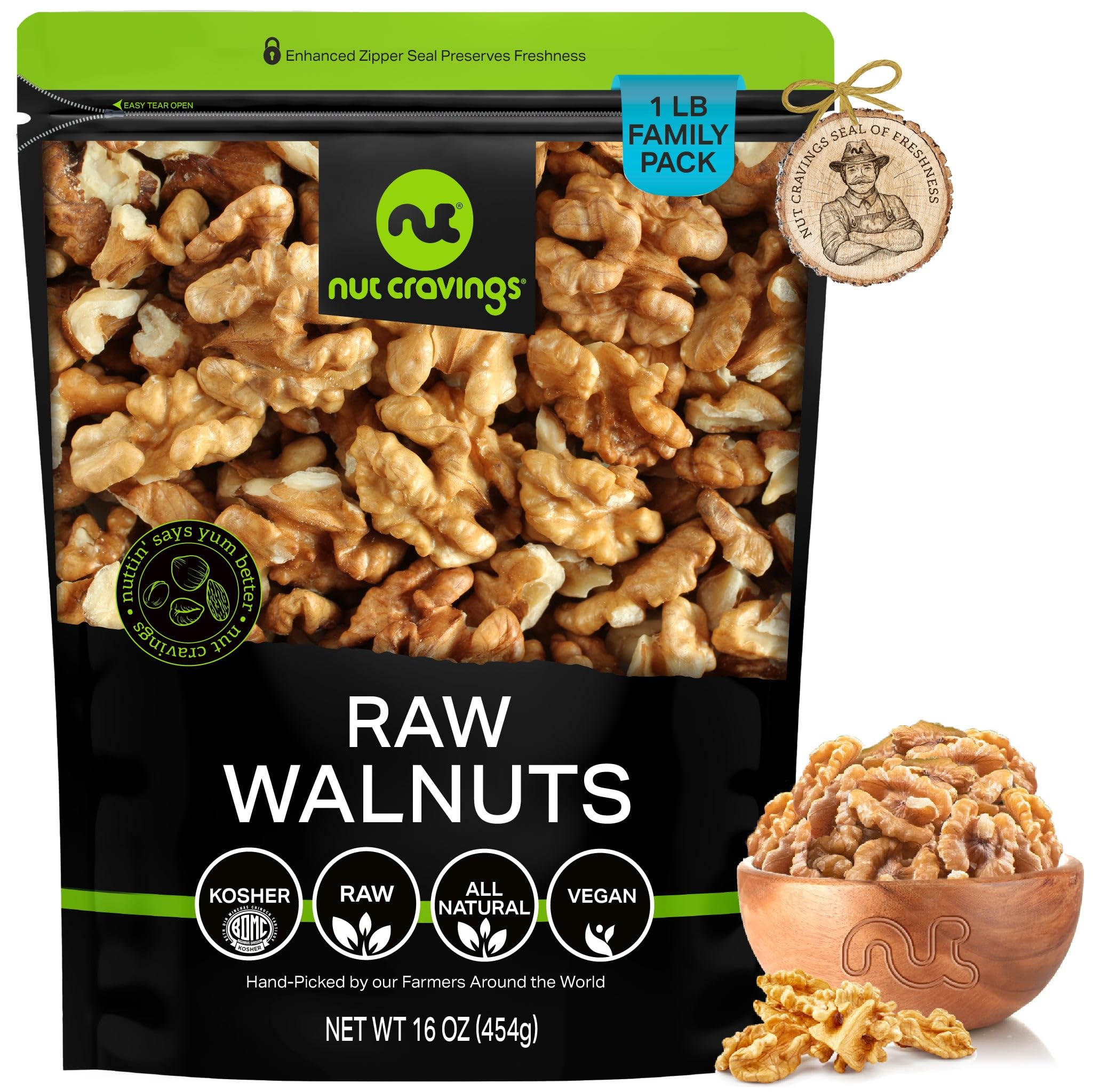
The most specific gut health research on a single nut involves walnuts, and the University of Illinois did some of the most cited work.
In a randomized controlled study published in The Journal of Nutrition, researchers fed 18 healthy adults 42 grams of walnuts per day (about 1.5 ounces) for three weeks, then studied their gut bacteria before and after. Three bacteria increased noticeably: Faecalibacterium, Roseburia, and Clostridium. All three are associated with producing butyrate, a short-chain fatty acid that is effectively the primary fuel source for the cells lining your colon. Butyrate keeps those cells healthy, reduces gut inflammation, and has been linked to lower risk of colorectal cancer in observational studies.
The same study also found a decrease in secondary bile acids, which are produced when gut bacteria break down primary bile acids in ways that can cause inflammation and cellular damage. Reducing secondary bile acids is generally considered a positive gut health signal.
Worth noting honestly: butyrate itself was not directly measured in that study. The researchers saw increases in butyrate-producing bacteria, which is promising, but measuring whether butyrate actually went up in stool samples would strengthen the finding. Follow-up research is ongoing. That said, the directional evidence is clear and has been replicated in a separate German study of 194 healthy adults (Bamberger et al., Nutrients) that also found walnut consumption enhanced probiotic bacteria and butyric acid-producing strains.
How Almonds Feed Your Gut Bacteria (It's About the Skin)
Almonds came out as the most studied nut in gut health research. Of the 28 trials included in the 2025 systematic review published in Advances in Nutrition, 12 focused specifically on almonds. That is not a coincidence. Almond fiber, particularly from the skin, has measurable prebiotic properties that researchers have been investigating for years.
The almond skin contains resistant starch and insoluble fiber that travels through the small intestine largely undigested and arrives in the colon intact, where bacteria ferment it. Studies have shown almond consumption selectively increases Bifidobacterium, a bacterial genus strongly associated with immune function, vitamin production, and reduced gut inflammation. Some trials have also shown improvements in constipation and stool consistency, which is the most direct gut function evidence you can get.
One practical implication: blanched almonds, which have the skin removed, lose some of this prebiotic benefit. If gut health is your goal, whole raw almonds with their skins on are the better choice. Blanched almonds are fine for cooking and baking, but the skin is doing real work in the gut health context.
The Honest Version: What the 2025 Meta-Analysis Actually Found
Here is where most articles skip the nuance and just say "nuts are great for your gut." The reality from the 2025 meta-analysis is slightly more complicated, and that complexity is worth understanding rather than glossing over.
The review pooled 28 randomized controlled trials looking at nuts and gut microbiota, gut function, and gut symptoms. Here is what it actually found:
What the evidence supports
There was a positive effect of nut consumption on propionate, a short-chain fatty acid that helps regulate fat metabolism, reduces liver fat accumulation, and may support appetite control. Several studies showed selective increases in beneficial bacteria, particularly Clostridium and Roseburia species after walnut consumption, and Bifidobacterium after almond consumption.
What the evidence does not show clearly
Overall gut microbiome diversity, measured by alpha-diversity and beta-diversity metrics, did not significantly change in most trials. This means nuts do not appear to dramatically restructure the entire gut bacterial community. The changes are more selective, nudging specific beneficial populations upward rather than overhauling the entire microbiome. The researchers described the effects as "discreet" and called for larger, longer-term studies to understand dose-response effects better.
Which Nuts Are Best for Gut Health, Ranked Simply
| Nut | Gut Benefit | Mechanism | Research Strength |
|---|---|---|---|
| Walnuts | Butyrate-producing bacteria, lower bile acids | Polyphenols + fiber, gut bacteria shift | Strong, 2+ RCTs |
| Almonds | Bifidobacterium, improved constipation | Prebiotic fiber, especially in the skin | Strongest overall (12 trials) |
| Mixed nuts | Propionate production, broader bacterial coverage | Combined fiber and polyphenol diversity | Good, 6 trials |
| Brazil nuts | Gut lining integrity, reduced inflammation | Selenium supports GPx activity in gut | Emerging, 2024 trial |
| Pistachios | Strong butyrate-producing bacteria increase | Prebiotic effect, highest of all nuts in some trials | Promising but fewer studies |
| Cashews | General fiber contribution | Dietary fiber, copper for gut enzymes | Limited specific gut data |
How Much Do You Need to Actually See a Difference?
Every trial that found meaningful gut changes used between 30 and 60 grams per day, which is 1 to 2 ounces. One ounce is a small handful, about 14 walnut halves or 23 almonds. That is not a large amount. You could eat it in 60 seconds as a midmorning snack without thinking twice.
The duration matters as much as the daily amount. Most studies ran for three to eight weeks before seeing clear microbiome shifts. Gut bacteria populations do not change overnight. They respond to patterns over time. A handful of nuts for one day does nothing measurable. A handful of nuts every day for three weeks starts moving the needle on bacterial composition.
Raw vs. roasted for gut health
Raw nuts preserve more heat-sensitive polyphenols, and the almond skin research specifically used raw, unskinned almonds. The fiber content is essentially the same between raw and dry-roasted. For gut health purposes, raw whole almonds and raw walnuts are the better choices. For everything else, the format you will actually eat consistently is the one that matters most. No point in buying raw almonds if they sit in a bag because you prefer roasted.
Does soaking nuts help digestion?
Soaking raw nuts for four to eight hours reduces phytate content. Phytates are natural compounds in nuts that bind to minerals and can cause bloating or discomfort in people with sensitive digestion. If you regularly find nuts hard on your stomach, try soaking them overnight before eating. The gut health benefits are still there, and most people find the texture more comfortable after soaking. Drain and rinse before eating.
The Gut-Brain Connection and Why Nuts Help Here Too
Gut health research has expanded well beyond digestion over the past decade. The gut-brain axis, the two-way communication pathway between your digestive system and your brain, turns out to be a real and significant biological system. Gut bacteria produce neurotransmitter precursors, regulate inflammatory signals that reach the brain, and communicate via the vagus nerve.
Butyrate, the short-chain fatty acid that walnut-fed bacteria are more likely to produce, has been shown in research to reduce neuroinflammation and support the gut's mucosal lining, which acts as a barrier preventing inflammatory compounds from entering the bloodstream and eventually affecting brain function. This is one reason gut health researchers are increasingly interested in what we are calling a gut-brain axis snack: foods that support gut bacteria specifically associated with anti-inflammatory short-chain fatty acid production.
Walnuts make a particularly strong case here because they are also the only nut with meaningful ALA omega-3 content, and omega-3 fatty acids have established anti-inflammatory and brain health effects of their own. The combination of gut-feeding fiber and polyphenols plus brain-supporting ALA makes walnuts genuinely unusual as a single food.
Simple Ways to Get Nuts Into Your Gut Health Routine Every Day
The research is consistent: daily consumption over weeks matters, not occasional large portions. Here is how people actually make it stick:
The simplest approach: a handful before or with breakfast
Put a small jar of mixed nuts or almonds next to the coffee machine. Eat a handful while the coffee brews. That is 30 to 40 grams, the exact range used in research, and it takes ten seconds. The habit attaches to something you already do every morning.
Walnuts on oatmeal or yogurt
14 walnut halves chopped over oatmeal or Greek yogurt adds crunch and earthy flavor alongside whatever fruit you are using. This is how a lot of people get 42 grams of walnuts into their daily diet without thinking of it as a health intervention. It just tastes good.
A mixed nut bowl at your desk
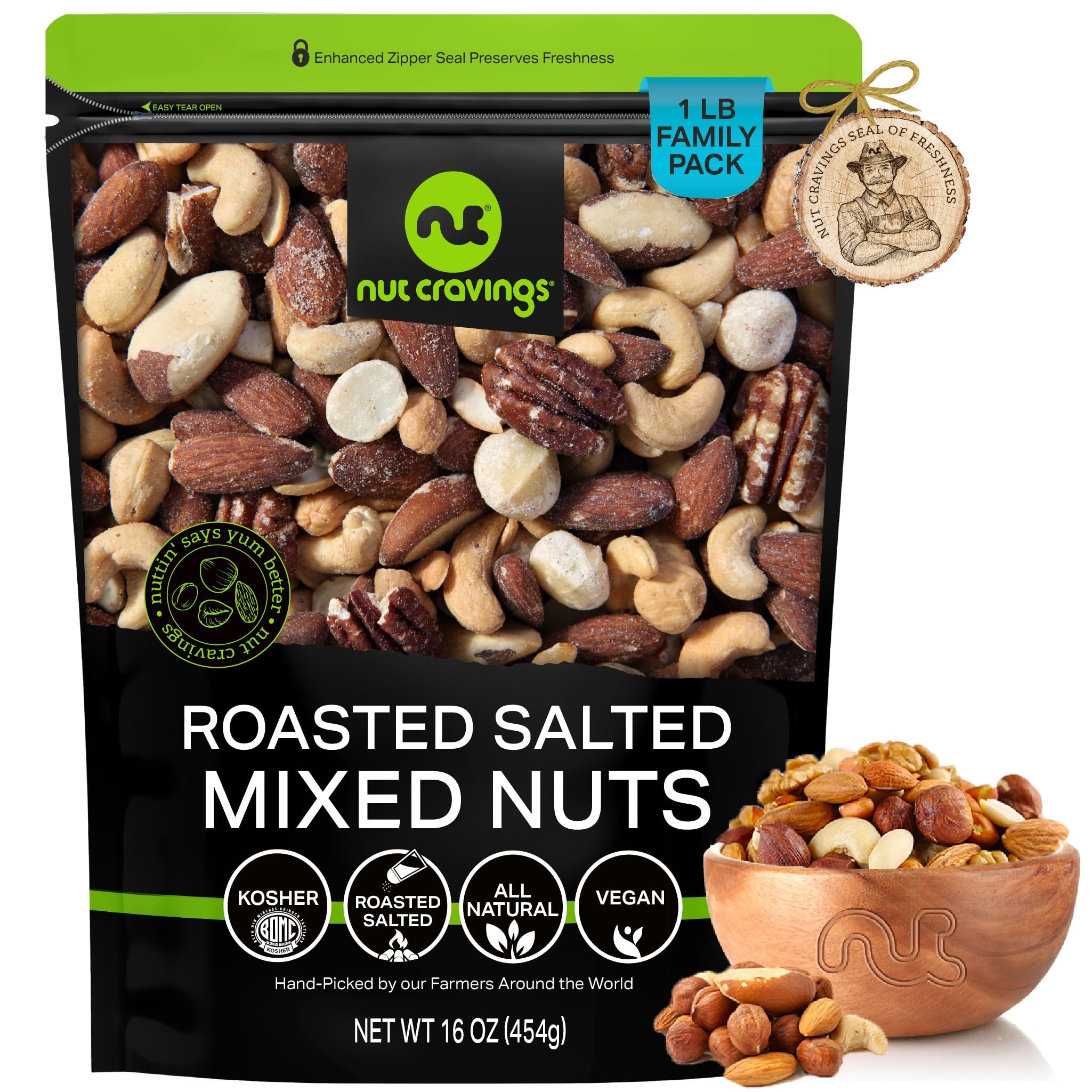
A small bowl of mixed nuts at arm's reach during the workday is one of the most reliable ways to replace the mid-afternoon chip or cracker habit. You get Brazil nuts for selenium, walnuts for gut and brain, almonds for prebiotic fiber, and cashews for copper and magnesium. All from one bowl, consistently.
Almonds in salads, stir-fries, and grain bowls
Sliced raw almonds in a salad or toasted over a grain bowl add texture and 2 to 3 grams of gut-friendly fiber per serving. If you are already eating salads regularly, this is an easy add-on that requires zero new habits.
Your Questions Answered
Yes. Nuts contain fiber, polyphenols, and healthy fats that feed beneficial gut bacteria and support short-chain fatty acid production. A 2025 meta-analysis of 28 clinical trials confirmed positive effects on propionate production and selective increases in beneficial bacteria. Walnuts and almonds have the strongest individual evidence, but a variety of nuts together provides the broadest gut benefit.
Walnuts and almonds lead the research. Walnuts increase Faecalibacterium, Roseburia, and Clostridium, all butyrate-producing bacteria, and reduce secondary bile acids linked to gut inflammation. Almonds, particularly with the skin intact, have prebiotic properties that increase Bifidobacterium. If you had to pick one, walnuts and almonds together cover more ground than either alone. A six-variety mixed nut blend gives you the widest bacterial coverage from a single snack.
Research consistently uses 30 to 60 grams per day, which is 1 to 2 ounces or roughly a small handful. That amount provides 1 to 3 grams of fiber plus polyphenols and healthy fats. Consistency over weeks matters more than the exact daily amount. A small daily habit beats an occasional large serving.
For some people, yes. Nuts contain phytates and enzyme inhibitors that can cause bloating or discomfort, especially in large amounts or for people with sensitive digestion. Soaking raw nuts overnight reduces phytate content and improves tolerability. Introducing nuts gradually over a few weeks also helps your gut bacteria adjust without sudden fermentation changes that cause gas or discomfort.
Raw nuts preserve more heat-sensitive polyphenols and the intact prebiotic fiber in the almond skin. Fiber content is nearly identical between raw and dry-roasted. For gut health, raw whole almonds and raw walnuts are slightly better. For everything else, eat whichever format you enjoy enough to maintain as a daily habit. Consistency beats optimal format every time.
Over time, yes. By increasing butyrate-producing bacteria and reducing secondary bile acids, walnuts support a healthier gut environment that typically improves overall digestion. Short-term, some people experience mild gas when first adding walnuts due to the fermentation of new fiber types. This usually resolves within one to two weeks as gut bacteria adjust. Starting with half an ounce daily and building up gradually helps avoid initial discomfort.
What Makes Our Nuts Different From the Bag at the Grocery Store
Gut health benefits from nuts depend on freshness and quality. Rancid or stale nuts do not deliver the polyphenols and fiber that made the research results work.
Packed fresh in Monroe, NY, not pre-sealed distributor stock
The polyphenols in walnuts and the prebiotic fiber in almond skins start degrading over time and with heat exposure. Nuts that go through a distributor warehouse for months before reaching a retailer shelf have lost some of the very compounds that make them interesting for gut health. We pack fresh and ship direct. You get them early in their freshness window, not at the end.
Resealable bags that actually protect what is inside
Walnuts have the highest polyunsaturated fat content of any common tree nut. Exposed to air, those fats oxidize within days of opening a non-resealable bag. Every bag we sell has a proper zipper closure. For a nut where you are specifically eating it for its fat and polyphenol content, keeping it sealed between uses is not a minor thing.
OU Kosher certified across the core catalog
Third-party certification requires facility inspection, ingredient verification, and ongoing auditing. For buyers who need certified kosher, this is a non-negotiable requirement met. For everyone else, external certification from a body that actually checks things is a quality signal that goes beyond what the brand says about itself.
Mixed nut blend where the walnuts stay raw
Our six-variety blend roasts everything except the walnuts. That is not an accident. Raw walnuts retain more of the polyphenol content that makes them gut-relevant. Roasted walnuts taste fine for snacking, but the polyphenol degradation from heat is real. If you are buying the mixed blend partly for gut health reasons, the raw walnut inclusion matters.
Free shipping on orders $25 and up
A bag of quality walnuts from a specialty retailer with $9 shipping effectively costs $9 more per bag. Our free shipping threshold is $25, which a single bag typically hits. For people building a daily nut habit, the ongoing cost difference between paying shipping every order and not paying it adds up quickly.
Featured on Good Morning America
Nut Cravings was featured on Good Morning America. Combined with OU kosher certification, that gives new buyers two independent quality signals that do not come from us. For anyone buying for the first time, external validation is worth more than brand self-description.
Shop the Best Nuts for Gut Health
Packed fresh in Monroe, NY. OU Kosher certified. Resealable bags. Free shipping on $25+.