

Macadamia Nuts Keto Macros: The Full Numbers Per Ounce
Every keto decision starts with the numbers, so here they are upfront. One ounce is 28 grams, roughly 10 to 12 whole kernels.
| Nutrient | Per 1 oz (28g) | % Daily Value | Keto Relevance |
|---|---|---|---|
| Net carbs | 1.5g | n/a | Lowest of any major tree nut |
| Total carbohydrates | 3.9g | 1% | Very low |
| Dietary fiber | 2.4g | 9% | Subtracts from total carbs |
| Sugars | 1.3g | n/a | Naturally occurring, no added sugar |
| Total fat | 21.5g | 28% | Highest fat content of any tree nut |
| Monounsaturated fat | ~17g | n/a | ~80% of total fat , exceptional MUFA ratio |
| Saturated fat | 3.4g | 17% | Low-moderate |
| Polyunsaturated fat | 0.4g | n/a | Very low , favorable omega-6:3 ratio |
| Protein | 2.2g | 4% | Modest, not a primary protein source |
| Calories | 200–204 kcal | 10% | Dense; portion matters |
| Manganese | 1.2mg | 51–58% | Supports enzyme function, bone health |
| Thiamine (B1) | 0.34mg | 17–22% | Energy metabolism, nerve function |
| Copper | 0.21mg | 11–23% | Iron metabolism, antioxidant enzymes |
| Magnesium | 37mg | 9% | Muscle, nerve, blood sugar regulation |
| Palmitoleic acid (omega-7) | ~17% of fat | n/a | Richest plant source; insulin sensitivity research |
| Tocotrienols (vitamin E) | Present | n/a | Superior antioxidant activity vs. standard vitamin E |
How Macadamias Compare to Every Other Nut on Keto
Not all nuts are created equal for keto. The differences between them are significant enough to matter if you are strict about staying in ketosis. Here is the side-by-side for the most common options:
| Nut (1 oz) | Total Carbs | Fiber | Net Carbs | Fat | Keto Grade |
|---|---|---|---|---|---|
| Macadamia | 3.9g | 2.4g | 1.5g | 21.5g | Excellent |
| Pecans | 3.9g | 2.7g | 1.1g | 20.4g | Excellent |
| Brazil nuts | 3.5g | 2.1g | 1.4g | 19g | Excellent |
| Walnuts | 3.9g | 1.9g | 2.0g | 18.5g | Very good |
| Almonds | 6.1g | 3.5g | 2.6g | 14g | Good |
| Hazelnuts | 4.7g | 2.8g | 1.9g | 17g | Very good |
| Pistachios | 7.7g | 3.0g | 4.7g | 12.9g | Moderate |
| Peanuts | 6.1g | 2.4g | 3.7g | 14g | Moderate |
| Cashews | 8.6g | 0.9g | 7.7g | 12.4g | Limit or avoid |
Pecans technically edge out macadamias on net carbs (1.1g vs 1.5g), but macadamias win on fat content per ounce and have a fat ratio that is more skewed toward MUFA. In practice, both are excellent keto choices and rotating between them gives you a wider range of micronutrients than either alone.
Cashews belong in a separate conversation. They are frequently marketed as a healthy nut, but at 7.7 grams of net carbs per ounce, a two-ounce serving uses up more than 75 percent of a strict 20-gram daily keto carb budget. They work in small amounts as a flavor element, but not as a snacking nut on strict keto.
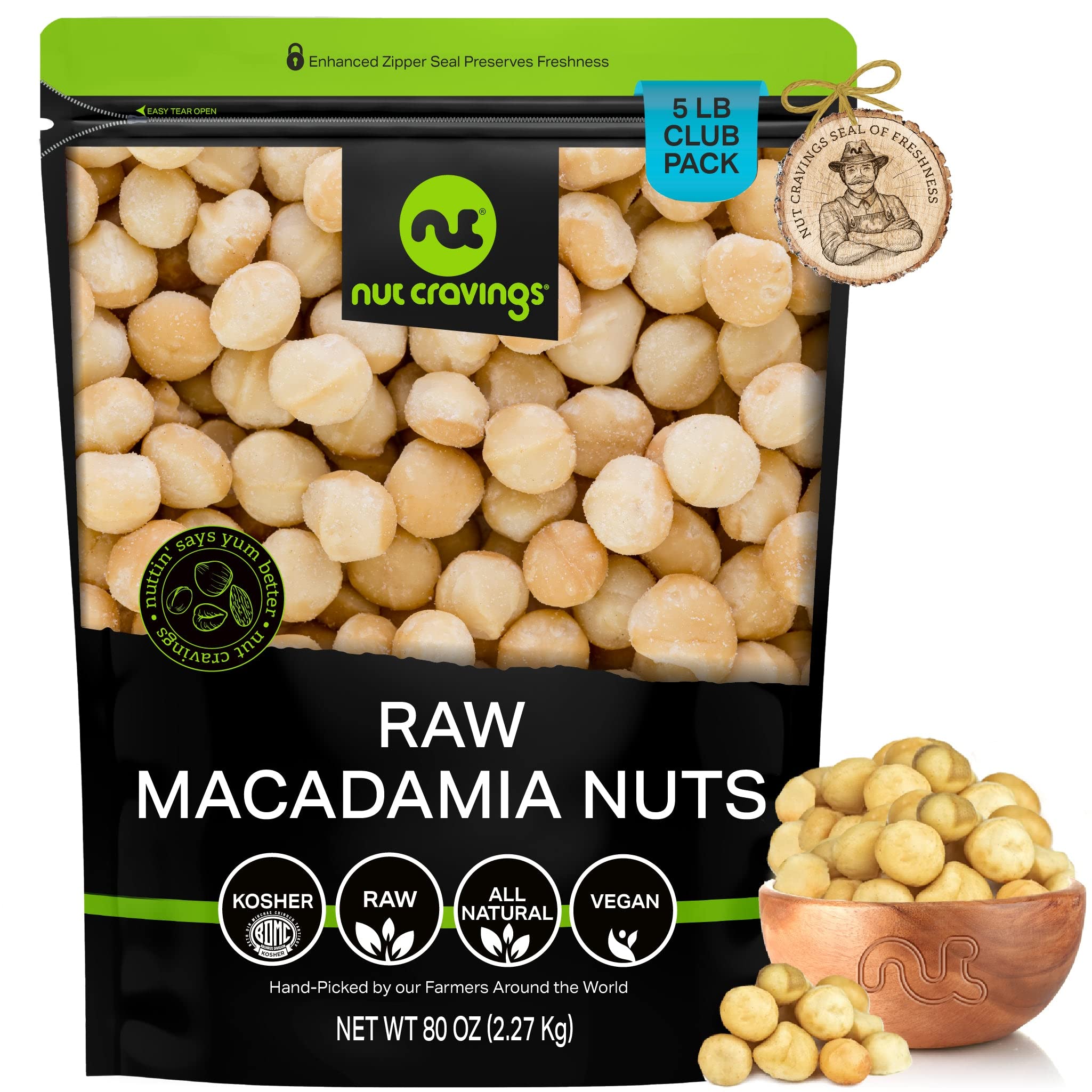
What Makes Macadamia Fat Different From Every Other Nut
The fat in macadamia nuts is not just high in quantity. The type of fat is genuinely unusual in the food supply, and that distinction matters for people on keto who rely on fat for the majority of their calories.
The MUFA ratio: 80 percent monounsaturated
Roughly 80 percent of the fat in macadamias is monounsaturated, compared to around 60 percent in olive oil. No other commonly eaten nut comes close. Almonds are about 64 percent MUFA, pecans are around 60 percent, and walnuts are only 18 percent. This matters for keto because monounsaturated fat is the fat type most consistently associated with improved cholesterol profiles, reduced LDL oxidation, and lower cardiovascular inflammation in research.
For keto dieters who are eating a lot of fat, the type of fat they are eating matters for long-term health. Building that fat intake around a nut where 80 percent is MUFA is meaningfully different from building it around nuts where the polyunsaturated fraction is higher, because high polyunsaturated intake from vegetable and nut oils can increase systemic omega-6 levels and potentially inflammatory markers over time.
Palmitoleic acid: the omega-7 no other nut has
About 17 percent of the fat in macadamia nuts is palmitoleic acid, an omega-7 monounsaturated fatty acid that is genuinely rare in the food supply. For comparison, almonds have around 0.3 percent, walnuts have 0.1 percent, and even pine nuts provide only about 0.5 percent. Macadamia nuts are the richest plant-based source of palmitoleic acid available.
Why does this matter? Palmitoleic acid has been studied for its potential effects on insulin sensitivity. Research published in ScienceDirect reviewing its biological functions notes that the fatty acid may increase insulin sensitivity and reduce the risk of diabetes, though results in human trials have been mixed and more research is needed. The mechanism appears to involve palmitoleic acid acting as a lipokine, a type of fatty acid that signals between tissues and may help regulate fat cell metabolism. Whether eating macadamia nuts specifically produces measurable insulin sensitivity improvements in humans is still an open research question, but the underlying fatty acid biology is well-documented.
For keto dieters who are already using fat as their primary fuel, supporting insulin sensitivity is a relevant consideration, especially for people managing prediabetes or metabolic syndrome alongside a ketogenic diet.
Tocotrienols: a form of vitamin E you barely get anywhere else
Macadamia nuts contain tocotrienols, a subclass of vitamin E that is structurally different from the more common tocopherol form. Research has shown tocotrienols have significantly higher antioxidant activity than standard vitamin E. They have been studied in context of brain health, specifically their potential to protect neurons from glutamate toxicity relevant to Alzheimer's and Parkinson's disease progression. Macadamias are one of the few common foods that provide tocotrienols in any meaningful amount.
The Penn State Trial: What Clinical Research Actually Shows
The best clinical evidence on macadamia nuts and heart health comes from a Penn State University randomized controlled trial published in the Journal of Nutrition in 2008, led by Dr. Amy Griel and Dr. Penny Kris-Etherton.
Twenty-five adults with mildly elevated cholesterol were assigned to two five-week diet periods in a crossover design: one following an average American diet (AAD) and one following a macadamia-nut-enriched diet that replaced 20 percent of energy from the standard diet with 42.5 grams (1.5 ounces) of macadamia nuts per day. Results were clear. Total cholesterol and LDL cholesterol were significantly lower following the macadamia diet compared to the AAD. Importantly, body weight did not change despite the increased fat intake.
A more recent free-living randomized trial published in the Journal of Nutritional Science (Cambridge, 2023) had participants add macadamia nuts to their usual diet for 12 weeks without controlling the rest of their diet. The results showed a non-significant 4 percent reduction in LDL cholesterol. The researchers noted the cholesterol-lowering effect was modified by adiposity: greater LDL reductions occurred in lower-body-fat individuals. This is worth knowing. The heart health benefit of macadamias appears stronger in people who are lean or moderately overweight versus those with higher body fat.
Across multiple earlier controlled feeding trials, LDL reductions of 4.5 to 10.7 percent have been recorded with macadamia nut diets. The pattern is consistent with the broader tree nut literature: regular nut consumption lowers LDL, and macadamias, with their exceptionally high MUFA content, perform well in that context.
How Many Macadamia Nuts Per Day on Keto?
One ounce daily (10 to 12 kernels) is the practical starting point. It provides 1.5 grams of net carbs and around 200 calories. That fits comfortably within any keto carb budget while adding meaningful healthy fat and micronutrients.
Two ounces daily is the clinical research dose used in studies that found cholesterol improvements. At that level you are getting 3 grams of net carbs and approximately 400 calories from macadamias alone. That is absolutely fine if your overall caloric intake accounts for it. The calorie density is the real ceiling, not the carbs.
When calorie density matters more than carbs on keto
Some people start keto and immediately reach for macadamia nuts because they are "keto-approved," then eat three or four ounces while watching TV without thinking about it. That is 600 to 800 calories from one snack. The ketosis is maintained because the carbs are low, but fat loss stalls because the caloric surplus prevents a deficit. Macadamias work best portioned deliberately. A small jar or pre-weighed one-ounce containers solves the problem without requiring willpower at snack time.
Raw vs. roasted on keto: does it change the macros?
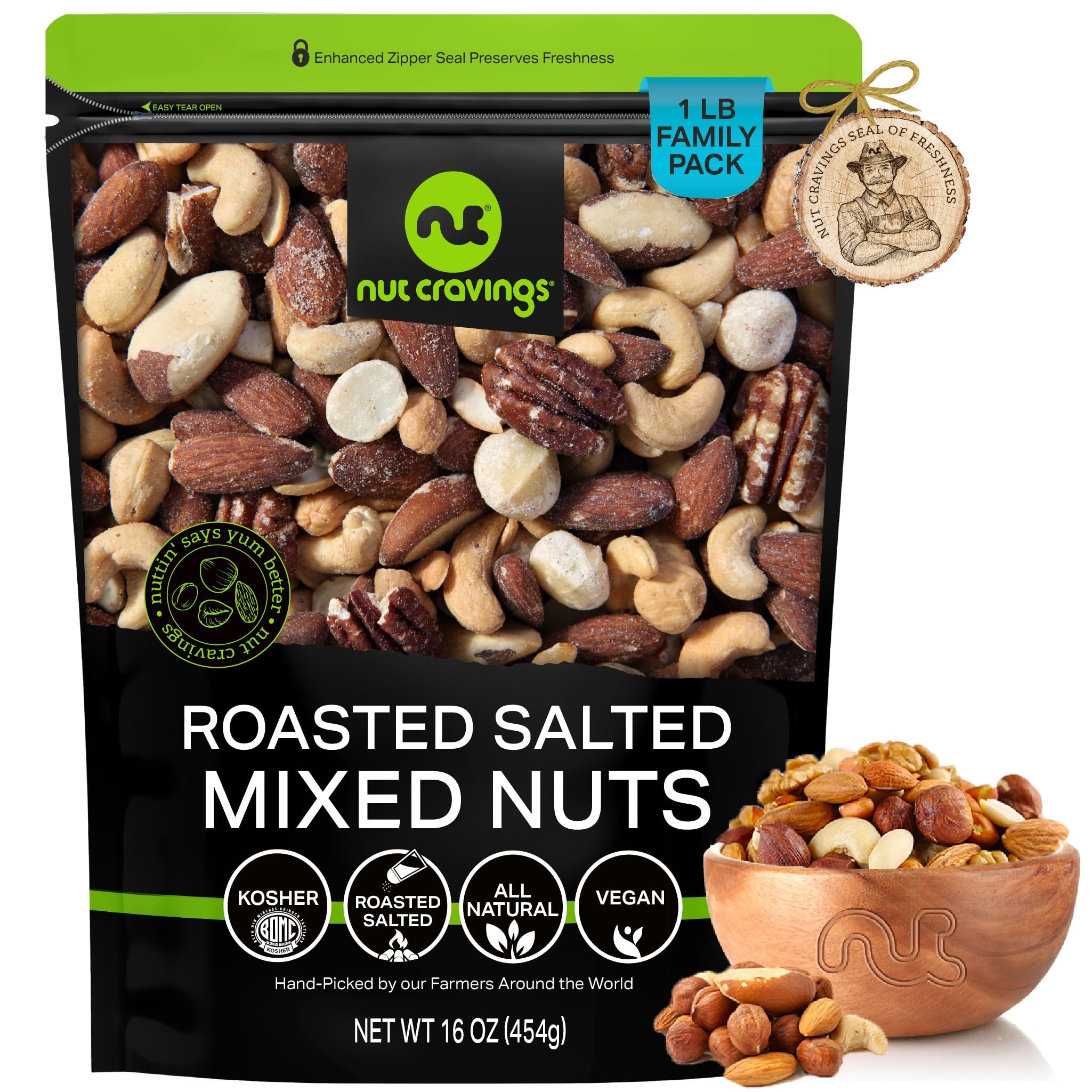
No. Net carbs, fat, and protein are essentially identical between raw and dry-roasted macadamia nuts. Roasting adds some flavor depth but does not meaningfully change the macro profile. The B vitamins, particularly thiamine, can degrade slightly with heat, but the difference per serving is small. If you prefer roasted, eat them roasted. The keto benefit is the same.
One thing to avoid: flavored or seasoned macadamias
Honey-roasted, chocolate-covered, or sweetened macadamia nut products are the exception. Added sugars can push a single ounce from 1.5 grams net carbs to 8 to 12 grams. Check labels on any pre-seasoned or flavored variety. Plain roasted and plain raw are always the keto-safe options.
Practical Ways to Use Macadamias on a Ketogenic Diet
Macadamias have a buttery, mildly sweet, creamy texture that works across a wider range of applications than most keto nuts. Their fat content makes them especially useful in contexts where you want richness without dairy.
As a daily keto snack
10 to 12 kernels straight from the bag, with or without salt. This is the simplest version. The fat and modest protein provide a satiety window of two to three hours, which makes macadamias particularly useful for managing hunger between meals without reaching for carb-heavy alternatives.
Macadamia butter on keto
Blend one cup of lightly toasted macadamias in a food processor for eight to ten minutes until smooth. The result is richer and creamier than almond butter, with fewer carbs than cashew butter. Use it on celery, as a fat bomb base, or blended into a keto smoothie. Store refrigerated for up to three weeks.
Macadamia-crusted fish
Pulse macadamias coarsely, mix with a little salt and pepper, coat a fish fillet (mahi-mahi and salmon work especially well) with an egg wash, press the macadamia crust on, and bake or pan-sear. The fat content produces a golden crust without needing breadcrumbs. This is one of the classic Hawaii-inspired applications and one of the best ways to add macadamia fat to a savory keto meal.
Keto baking
Chopped macadamias in keto cookies, fat bombs, and low-carb quick breads. White chocolate macadamia is the classic American cookie application. On keto, use almond flour or coconut flour, a keto-friendly sweetener, and chopped macadamias. The fat in the nuts keeps baked goods moist without requiring extra butter.
Salad topping
Toast and chop macadamias, then scatter over a keto salad with avocado, greens, and a simple vinaigrette. The crunch and richness they add makes a salad feel like a full meal rather than a side dish. They hold up to dressing better than most nuts because their fat does not go soggy as quickly.
Why Macadamias Stay Fresh Longer Raw Than Pre-Roasted
Macadamia nuts are the highest-fat tree nut commercially available. That is their biggest nutritional selling point and also the main reason freshness matters more for them than for almost any other nut. With 21 to 22 grams of fat per ounce, the oils in macadamias oxidize faster than those in lower-fat nuts like almonds or cashews. Once those oils go rancid, the flavor shifts from creamy and buttery to sharp, bitter, and acrid. Most people who have had disappointing macadamia nut experiences were eating old nuts from a supply chain with too many weeks between roasting and purchase.
Raw macadamias have a longer shelf life than roasted ones because the heat of roasting activates the oils and accelerates oxidation. Kept in a sealed, airtight container at room temperature, raw macadamias typically stay fresh for four to six months. After opening, refrigeration extends that by several months more. Roasted macadamias, once the bag is opened, typically last two to three months before developing off flavors.
For keto buyers who want bulk quantities to minimize cost per ounce, raw is the format to buy. Buy a larger bag, keep it sealed, refrigerate after opening, and the quality holds.
Macadamia Nuts and Keto: Your Questions Answered
Yes, they are one of the best nuts for keto. One ounce (10 to 12 kernels) has just 1.5 grams of net carbs, 21 to 22 grams of fat, and a glycemic index of approximately 10. They produce essentially no blood sugar response and their predominantly monounsaturated fat profile supports the healthy fat intake that keto requires. Both raw and roasted plain varieties are keto-safe. Avoid any sweetened, flavored, or honey-roasted versions.
Most people on keto manage 1 to 2 ounces comfortably. One ounce adds 1.5 grams of net carbs and around 200 calories. Two ounces adds 3 grams net carbs and about 400 calories. The carbs are not the limiting factor for most keto dieters. The caloric density is. Macadamias are easy to overeat because of how good they taste. Pre-portion a one-ounce serving rather than eating from an open bag.
Per ounce (28g, about 10 to 12 kernels): 200 to 204 calories, 21 to 22g total fat, 2.2g protein, 3.9g total carbs, 2.4g fiber, 1.5g net carbs. About 80 percent of the fat is monounsaturated, which is the highest MUFA ratio of any edible nut. Notable micronutrients include 51 to 58 percent of daily manganese, 17 to 22 percent of daily thiamine, and 11 to 23 percent of daily copper.
Palmitoleic acid is an omega-7 monounsaturated fatty acid that makes up about 17 percent of macadamia nut fat. Macadamias are the richest plant-based source in the food supply. Research suggests it may improve insulin sensitivity and reduce inflammation, though human trial evidence is still mixed. For keto dieters managing blood sugar or metabolic syndrome alongside their diet, the palmitoleic acid content is a genuinely relevant consideration, even if the effect in isolation is not yet conclusively proven.
No. Plain raw or roasted macadamia nuts will not break ketosis. At 1.5 grams net carbs per ounce, a one-ounce serving leaves plenty of room within a 20 to 50 gram daily carb budget. What could break ketosis is eating a very large quantity (four or more ounces in a sitting) on a strict 20-gram protocol, or eating sweetened or flavored macadamia products with added sugar.
Both work equally well for keto from a macro standpoint. Net carbs, fat, and protein are essentially identical. Raw macadamias preserve more heat-sensitive B vitamins and have a longer shelf life after opening. Roasted have a deeper, nuttier flavor and are slightly more convenient as a grab-and-go snack. The keto benefit is the same either way. Eat whichever format you prefer consistently.