


Everyday blends of nuts, seeds, and fruits simple, satisfying, and ready to enjoy anywhere.
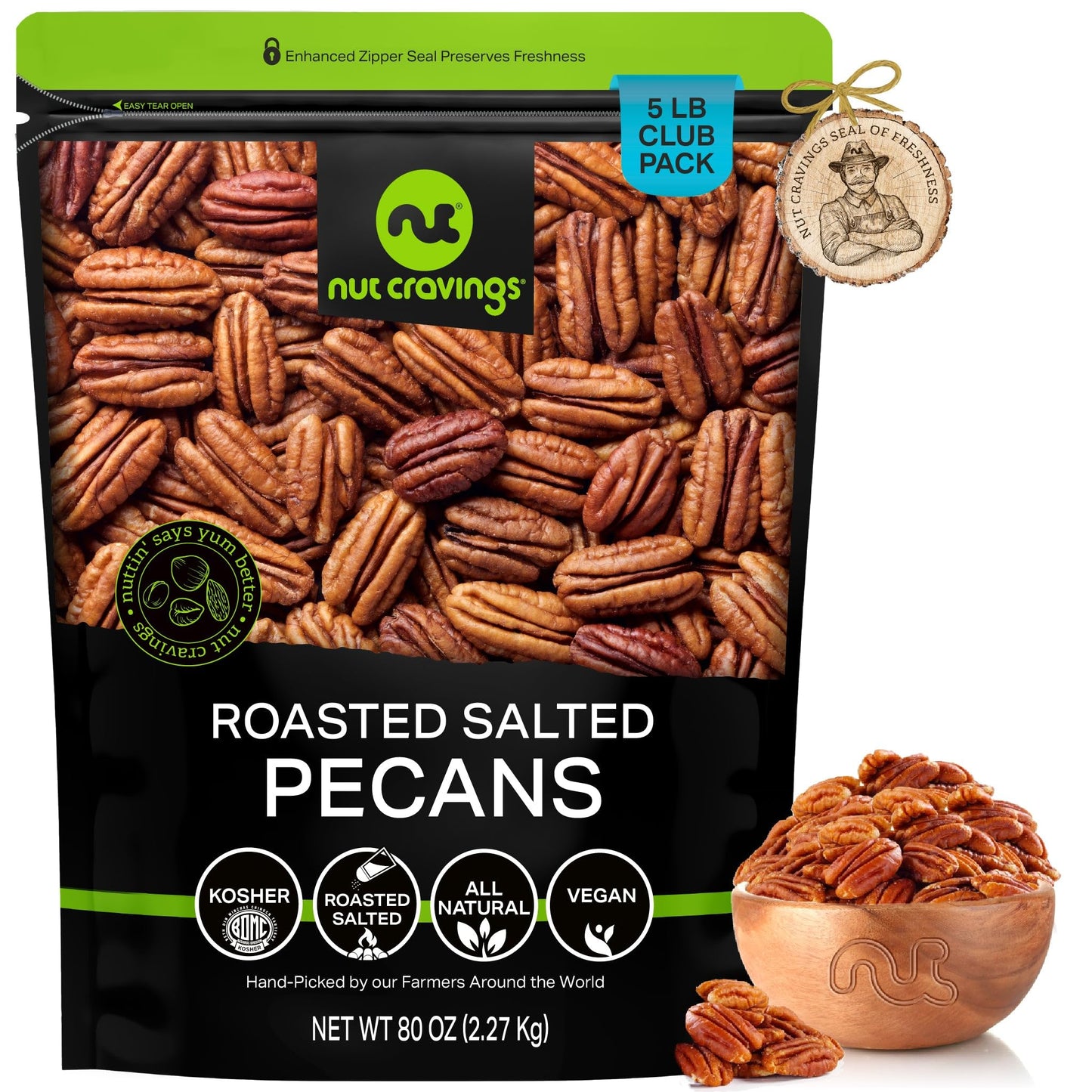
Roasted Pecans, Halves — Salted - 5 lb (80 oz)
Regular price
$59.97
Sale price
$59.97
Regular price
List Price:
Quantity
Couldn't load pickup availability
Free Shipping Over $25
Packed Fresh USA
100% Satisfaction Guarantee


You may also like
-
Raw Almonds — In Shell
Regular price From $12.97Sale price From $12.97 Regular price List Price: -
Mixed Nuts Gift Basket in Reusable Wooden Tray + Green Ribbon (12 Assortments)
Regular price $39.88Sale price $39.88 Regular price List Price: -
Happy Birthday Treats, Nuts Gift Basket with Bday Ribbon in Reusable Wooden Tray (12 Assortments)
Regular price $39.88Sale price $39.88 Regular price List Price: -
Birthday Snack Box — Care Package with 45 Sweet Treats + Happy Birthday Card
Regular price From $29.38Sale price From $29.38 Regular price List Price: -
Roasted Brazil Nuts — Unsalted
Regular price From $8.97Sale price From $8.97 Regular price List Price: -
Mixed Nuts Acrylic Tower Gift Basket with Ribbon (3 Tier Assortment) Food Arrangement, Kosher
Regular price $29.99Sale price $29.99 Regular price List Price:
Nut Cravings roasted salted pecan halves are whole halves, not pieces, roasted in small batches with a light salt finish. Pecans are the only major tree nut native to North America, with Georgia growing roughly 30 percent of the US commercial pecan crop. Each one-ounce serving delivers 190 calories and 3 grams of protein, making these a good source of protein, dietary fiber, heart-healthy fats, antioxidants, omega-3, calcium, zinc, and vitamin A. 11 verified reviews. 4.91 stars. Four sizes from 1 lb to 5 lb. Free shipping on orders over $25. Browse the complete nuts collection for every variety available from Nut Cravings.
Why Roasted and Lightly Salted
Raw pecans taste fine but lean slightly bitter because of the tannins in the thin inner skin. Roasting deepens the natural sweetness and mellows the bitterness, which is why pecan pie recipes always call for toasted pecans. The light salt finish adds contrast without overpowering the flavor the way heavily salted cocktail nuts do. You can eat them straight from the bag without feeling like you've overdone the sodium.
Most supermarket roasted pecans are factory-roasted months before they hit the shelf. Roasted nuts have a shorter shelf life than raw, so freshness matters more here than with raw nuts. Ours ship within 24 business hours of order, so what arrives at your door is closer to roast date than any bag at your local grocery.
These are pecan halves only, not pieces, which means cleaner presentation for charcuterie boards, holiday baking, and gift assembly.
Nutrition Facts Per One Ounce (28g, About 19 Pecan Halves)
- Calories: 190
- Total Fat: 20g (26% DV)
- Saturated Fat: 2g (10% DV)
- Trans Fat: 0g
- Cholesterol: 0mg (0%)
- Sodium: 110mg (5% DV)
- Total Carbohydrate: 4g (1% DV)
- Dietary Fiber: 3g (11% DV)
- Total Sugars: 1g (includes 0g added sugars)
- Protein: 3g
- Vitamin D: 0mcg (0%)
- Calcium: 20mg (2% DV)
- Iron: 1mg (6% DV)
- Potassium: 110mg
Good Source of Eight Key Nutrients
Every one-ounce serving of these roasted salted pecan halves is a good source of:
- Protein: 3g per serving
- Dietary Fiber: 3g per serving, 11% Daily Value
- Heart-Healthy Fats: 20g total fat per serving, mostly monounsaturated
- Antioxidants
- Omega-3
- Calcium: 20mg, 2% Daily Value per serving
- Zinc
- Vitamin A
How to Use Roasted Salted Pecan Halves
Straight Snacking
The light salt makes these easy to eat by the handful. Good pairing with red wine, sharp cheddar, or dark chocolate.
Pecan Pie and Holiday Baking
A classic Thanksgiving and Christmas use. Roasted halves give pecan pie a deeper, nuttier flavor than raw. Also great in pecan sandies, butter pecan cookies, and maple-pecan tarts.
Salads
Chop over spinach salads with goat cheese, cranberries, and maple vinaigrette. Or use Waldorf-style with apples and celery.
Charcuterie Boards
Pecan halves hold up visually on a board and pair well with aged cheeses, dates, and cured meats.
Sweet Potato and Winter Squash Dishes
Sprinkle over roasted sweet potatoes with brown sugar and butter. A classic Southern side.
Ice Cream and Yogurt Topping
Chop into vanilla ice cream, butter pecan ice cream, or Greek yogurt with honey.
Choosing the Right Size
- 1 lb: $1.37 per ounce
- 2 lb: $1.00 per ounce
- 3 lb: $0.94 per ounce
- 5 lb: $0.75 per ounce; divide and move half to the freezer on arrival
Storage
Roasted pecans have a shorter shelf life than raw because heat from roasting accelerates fat oxidation. Seal the bag tightly after each use and keep it cool.
- Pantry (sealed bag, cool dark location): 3 to 4 months
- Refrigerator (sealed bag or airtight container): up to 9 months
- Freezer (airtight container): up to 2 years, no quality loss
For the 3 lb and 5 lb sizes, move half to the freezer on arrival. Frozen roasted pecans thaw quickly and retain full crunch and flavor. Every order ships within 24 business hours.
Roasted Salted Pecan Halves Guarantee
4.91 stars from 11 verified buyers. Every Nut Cravings order is backed by a 100% satisfaction guarantee. If these roasted salted pecan halves arrive below the freshness standard you expect, contact our team within seven days and we will resolve it promptly. Explore the full nuts collection for every variety available from Nut Cravings, or build a complete snack rotation with our healthy snack boxes.
Customer Reviews
Frequently Asked Questions
We’re More Than Just Snacks
Nuts

Dry Fruits
Everyday blends of nuts, seeds, and fruits simple, satisfying, and ready to enjoy anywhere.

Gifts
Beautiful assortments made to delight perfect for birthdays, holidays, & heartfelt thank yous.

Organic
Pure and certified organic — clean, natural ingredients for mindful snacking.

Seasonal Gifts
Limited-edition assortments inspired by every season and celebration.

Chocolate & Treats
Chocolates, brittles, and confections that turn any snack break into a special moment.

Mixed Nuts & Bar Mix
Protein-packed combinations of nuts, seeds, and fruits crafted for energy and wellness.

Care Packages
Thoughtful boxes filled with joy and flavor — send care to friends, family, or colleagues.

Corporate Gifting
Elegant, customizable boxes designed to impress teams, clients, and partners.