


Everyday blends of nuts, seeds, and fruits simple, satisfying, and ready to enjoy anywhere.
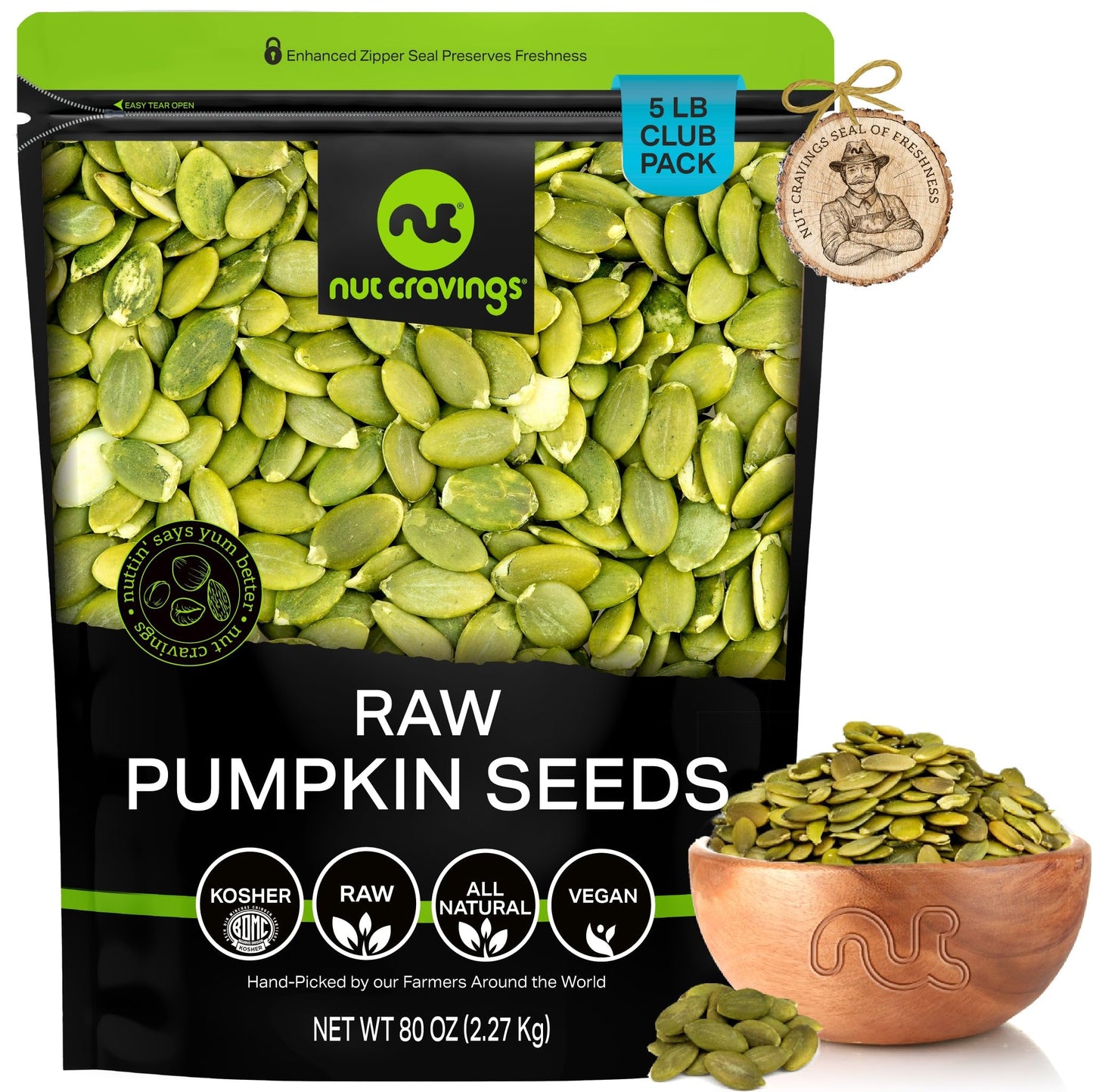
Raw Pumpkin Seeds (Pepitas) — Unsalted - 1 lb (16 oz)
Kosher Certified
Non-GMO
Keto Friendly
Vegan
Gluten Free
Nut-Free Facility Safe
37% Daily Magnesium + 20% Zinc in Just 1 oz The most mineral-dense seed you can eat — supports energy, sleep, immune defense & prostate health
Regular price
$12.97
Sale price
$12.97
Regular price
List Price:
Quantity
Couldn't load pickup availability
Free Shipping Over $25
Packed Fresh USA
100% Satisfaction Guarantee
🌾 Farmers Seal of Freshness
- Hand-picked by our farmers in Mexico and Central America
- Quality-checked at our New York packing facility
- Shipped in our resealable "TOP NUTCH" bag
- 365-day shelf life from date of packing
- 100% satisfaction guarantee — full refund, no questions asked


You may also like
-
Raw Almonds — In Shell
Regular price From $12.97Sale price From $12.97 Regular price List Price: -
Mixed Nuts Gift Basket in Reusable Wooden Tray + Green Ribbon (12 Assortments)
Regular price $39.88-30%Sale price $39.88 Regular price List Price:$56.97 -

Happy Birthday Treats, Nuts & Dried Fruits Tower Gift Basket with Bday Ribbon (12 Assortments)
Regular price $49.68-30%Sale price $49.68 Regular price List Price:$70.97 -
Raw Mixed Nuts, In Shell — Brazil, Walnut, Filbert, Almond & Pecan
Regular price From $14.97Sale price From $14.97 Regular price List Price: -
Organic Raw Cashews — Unsalted
Regular price From $14.97Sale price From $14.97 Regular price List Price: -

Chocolate Covered Pretzel Rods — 8 Gourmet Rods with Candied Toppings in Clear Tube Gift Package
Regular price $29.98-40%Sale price $29.98 Regular price List Price:$49.97
Raw Pumpkin Seeds Pepitas, Unsalted, Shelled, USDA Organic
Raw pumpkin seeds pepitas are the hulled green kernels that every recipe actually calls for, not the white in-shell seeds sold as a seasonal snack. These are unsalted, unroasted, USDA Organic certified, and packed fresh at our Monroe, New York facility in a resealable bag. One ounce delivers 9 grams of plant-based protein, 37% of the daily magnesium value, and more zinc per ounce than any tree nut available. The nutrition here is genuinely hard to match in the seed category.
Pepitas vs Pumpkin Seeds: What You Are Actually Buying
Most bags in the US labeled "pumpkin seeds" contain the white in-shell seeds. You crack them open, eat the inside, and discard the fibrous hull. That is not what any recipe calls for.
Pepitas are the hulled kernels inside, green, smooth, and ready to eat. When a salad recipe says toasted pumpkin seeds, it means pepitas. When Mexican mole pipián calls for ground pumpkin seeds, it means pepitas. When granola asks for seeds, pepitas are the correct form. Our bag contains only the hulled kernels, genuinely raw with nothing added after shelling.
What Are Organic Pumpkin Seeds Good For Nutritionally?
Per one ounce (28g, roughly two tablespoons), based on USDA FoodData Central data, these deliver among the highest-protein commonly consumed seeds . Magnesium comes in at 37% of the daily value. Zinc hits 33% of the daily value, which is higher than almonds, cashews, and walnuts. Iron provides 23% of the daily value. Net carbs sit at 5 grams per serving, putting them cleanly within keto and low-carb diets. Fat content is 13 grams per ounce, mostly polyunsaturated.
Zinc and magnesium are the two minerals most consistently deficient in American diets. Pepitas are the most practical plant-based source for both at the same time. For vegetarians, vegans, and plant-forward eaters, the zinc content alone is reason enough to keep these stocked. Registered dietitians routinely recommend hulled pumpkin seeds for vegetarian iron sourcing and as a daily zinc habit for anyone avoiding meat and seafood.
How to Use Raw Pepitas in Everyday Cooking
These arrive raw, which gives you full control over flavor development. Dry toast in a skillet over medium heat for three to five minutes until they begin to pop and turn golden. That toasted version is the base for almost every use case.
Fold toasted pepitas into arugula, kale, or grain bowls for crunch and mineral density. Add to granola after baking rather than during, since adding before the oven over-cooks the seed and can overcook the seed and reduce crunch. Substitute pine nuts in pesto for a greener, cheaper, and more zinc-rich sauce. For mole pipián, toast first then grind with dried chilies and tomatillos into the mole base. For school lunches, trail mixes, and camp snacks governed by nut-free policies, these pepitas carry no tree nut allergens and meet most facility requirements.
Why Buy Organic Pumpkin Seeds from Nut Cravings
Conventional pumpkin seed processing can include sulfur dioxide treatment to extend shelf life. USDA Organic certification rules that out entirely. Non-GMO and Kosher Certified (TBD / Beth Din Minchas Chinuch Tartikov) are stacked on top. These are packed fresh in Monroe, New York, not from long-term warehouse stock. Available in multiple bulk sizes to suit daily users and high-volume kitchens alike. Subscribe and save 5% on recurring orders. Free shipping on every order with no minimum required. Every purchase is covered by our 100% Crackproof Guarantee.
Browse the full pumpkin seeds collection, explore our organic range, or check the complete nuts and seeds range for other options.
Health Benefits of Raw Organic Pumpkin Seeds
Heart Health: Phytosterols, Healthy Fats, and Nitric Oxide ▾
- Approximately 75 percent of the fat in raw pumpkin seeds is monounsaturated or polyunsaturated, the fat types consistently associated with improved cardiovascular outcomes in controlled trials. Only about 14 percent is saturated fat. The monounsaturated fat is primarily oleic acid, the same fatty acid that gives olive oil its cardiovascular reputation. The polyunsaturated fraction is rich in linoleic acid (omega-6) and alpha-linolenic acid (omega-3 plant precursor).
- Pumpkin seeds contain approximately 260 milligrams of phytosterols per 100 grams, one of the higher phytosterol concentrations available in the seed category. Phytosterols are plant compounds structurally similar to cholesterol that compete with dietary cholesterol for absorption in the small intestine. Research has consistently shown that phytosterol consumption reduces LDL cholesterol absorption. The FDA allows foods with sufficient phytosterol content to carry a qualified health claim for heart disease risk reduction.
- The magnesium in pumpkin seeds contributes to cardiovascular health through blood pressure regulation. Magnesium acts as a natural calcium antagonist, helping regulate vascular smooth muscle tone and arterial relaxation. Higher dietary magnesium intake is consistently associated with lower rates of hypertension and reduced risk of cardiovascular events in large prospective cohort studies. A meta-analysis in Hypertension found that magnesium supplementation produced significant reductions in both systolic and diastolic blood pressure in adults with existing hypertension.
- Antioxidant compounds in raw pumpkin seeds, including vitamin E, lutein, and selenium, have been shown to increase nitric oxide production in vascular endothelial cells. Nitric oxide is the signaling molecule that keeps blood vessel walls smooth, flexible, and resistant to platelet aggregation. It is the same mechanism through which many cardiovascular medications work, which makes dietary nitric oxide support through antioxidant-rich foods a meaningful complementary strategy.
Magnesium: The Mineral Running Most of Your Body's Background Processes ▾
- One ounce of raw pumpkin seeds provides approximately 37 percent of the adult daily value for magnesium, making pepitas one of the most magnesium-dense foods available in the seed and nut category. For reference, almonds provide 19 percent per ounce and walnuts provide 11 percent. Pumpkin seeds are in a different tier for this specific mineral.
- Magnesium participates in over 300 enzymatic reactions in the human body. These include ATP (adenosine triphosphate) synthesis, which is the cellular energy currency every function in your body depends on; DNA and RNA replication; protein synthesis; nerve signal transmission; muscle contraction and relaxation; and blood pressure regulation through arterial smooth muscle tone. Calling magnesium important understates it. It is infrastructure.
- The prevalence of magnesium deficiency across American diets is well-documented. Survey data consistently shows that 48 percent of Americans fail to meet the recommended daily intake for magnesium, with deficiency rates rising sharply among people who eat a processed-food-heavy diet. Processed food manufacturing removes magnesium during refinement. The symptoms of marginal magnesium deficiency, muscle cramps, difficulty sleeping, elevated blood pressure, fatigue, and irritability, are common enough that they're routinely misattributed to other causes before low magnesium status is considered.
- A meta-analysis published in the European Journal of Clinical Nutrition found that each 100-milligram increase in daily magnesium intake was associated with a 22 percent reduction in the risk of type 2 diabetes, a 7 percent reduction in the risk of heart failure, and measurable reductions in blood pressure in hypertensive adults. One ounce of raw pumpkin seeds provides approximately 156 milligrams of magnesium, making it a meaningful contribution to any of these outcomes when included consistently.
Zinc: Immune Defense, Male Fertility, and Wound Healing ▾
- Raw pumpkin seeds provide approximately 20 percent of the daily zinc requirement per ounce, which is the highest zinc content of any food in the seed and nut category by a significant margin. Almonds provide 6 percent, walnuts 8 percent, cashews 14 percent. If you are eating nuts and seeds primarily for zinc, pepitas are the most efficient choice available without supplementation.
- Zinc is required as a cofactor for over 300 enzymes and more than 1,000 transcription factors in the human body. Its functional roles span immune cell development (T-lymphocyte proliferation, natural killer cell activation, and neutrophil function), DNA synthesis and repair, wound healing, taste and smell sensory function, and growth and development in children and adolescents. The body cannot store zinc in meaningful reserves, which means regular dietary intake is required to maintain adequate status.
- Pumpkin seeds are particularly relevant for male reproductive health through their zinc content. The prostate gland has the highest concentration of zinc of any soft tissue in the male body. Zinc is required for normal testosterone metabolism and is involved in regulating 5-alpha-reductase activity, the enzyme that converts testosterone to dihydrotestosterone (DHT). Research published in Food and Nutrition Research found that phytosterols in pumpkin seed extract helped inhibit 5-alpha-reductase and modulate DHT activity relevant to benign prostatic hyperplasia (BPH). A 2019 clinical study found pumpkin seed extract beneficial for men with BPH-related urinary symptoms.
- For male fertility specifically, zinc plays a structural role in sperm. It is a component of sperm DNA chromatin condensation and is required for normal sperm morphology and motility. A 2018 study found that zinc supplementation improved both sperm quality and quantity in men with subfertility. For men trying to support fertility through diet, pumpkin seeds are among the most zinc-efficient plant foods available.
- Zinc deficiency affects an estimated 20 to 25 percent of the global population and is particularly prevalent among vegetarians and vegans, because zinc from plant sources is bound to phytates that partially inhibit absorption. Eating zinc-rich plant foods like pumpkin seeds with vitamin C-containing foods, or soaking raw pepitas overnight before consuming, reduces phytate content and improves zinc bioavailability.
Sleep Quality: Tryptophan, Magnesium, and Zinc Working Together ▾
- Pumpkin seeds are one of the better plant-based sources of tryptophan, an essential amino acid that serves as the direct precursor to serotonin. The brain converts tryptophan to 5-hydroxytryptophan (5-HTP) and then to serotonin, and serotonin is subsequently converted to melatonin by the pineal gland in darkness. Eating tryptophan-containing foods in the evening provides the raw material for this conversion process. A small crossover study found that eating tryptophan from a plant source alongside a carbohydrate (which temporarily reduces competing amino acids at the blood-brain barrier and increases tryptophan uptake) improved morning alertness and sleep quality in volunteers with mild insomnia.
- Magnesium in pumpkin seeds supports sleep through an independent and well-characterized mechanism. Magnesium regulates GABA (gamma-aminobutyric acid) receptors, the nervous system's primary inhibitory signaling pathway. When GABA activity is adequate, the nervous system can slow down and transition into sleep efficiently. Low magnesium status impairs GABA receptor sensitivity and makes it harder for the brain and body to downregulate arousal. A randomized controlled trial published in the Journal of Research in Medical Sciences found that magnesium supplementation significantly improved sleep quality, sleep duration, and melatonin levels in elderly adults with insomnia.
- Zinc in pumpkin seeds also contributes to sleep regulation. Research published in the Journal of the American Geriatrics Society found that a combination of melatonin, magnesium, and zinc administered to elderly insomnia patients improved sleep quality scores significantly compared to a placebo. While this used supplemental forms, the study supports the biological relevance of all three nutrients to sleep architecture. Pumpkin seeds provide all three in meaningful quantities per serving.
- The practical implication: a small handful of raw or lightly toasted pumpkin seeds as an evening snack, optionally paired with a small piece of fruit or a few crackers to provide the carbohydrate that assists tryptophan crossing the blood-brain barrier, represents an evidence-consistent food-based approach to supporting sleep quality. It is not a pharmaceutical intervention, but it uses the same biological mechanisms that underpin pharmaceutical approaches.
Prostate Health in Men ▾
- Pumpkin seeds have the most documented evidence of any seed in the category for prostate health. The prostate gland concentrates zinc at levels higher than any other soft tissue in the male body, and zinc in pumpkin seeds is highly relevant to maintaining this concentration. Beyond zinc, pumpkin seeds contain delta-7-phytosterols and cucurbitacin compounds specific to the Cucurbita family that have demonstrated activity relevant to prostate tissue.
- A 2019 randomized controlled trial published in the Journal of Urology investigated pumpkin seed extract in 60 men with lower urinary tract symptoms from benign prostatic hyperplasia (BPH). After 12 months, the group taking pumpkin seed extract showed significant improvements in International Prostate Symptom Score (IPSS), quality of life score, and urinary flow rate compared to placebo. The effect was attributed to the delta-7-sterol compounds in pumpkin seed, which inhibit 5-alpha-reductase and reduce DHT-driven prostate tissue growth.
- The phytosterol profile of pumpkin seeds, particularly beta-sitosterol, has been studied for prostate cancer preventive effects. Research suggests that some chemical compounds in pumpkin seeds may inhibit the DHEA (dehydroepiandrosterone) hormonal pathway at the receptor level, with exposure to elevated DHEA associated with increased risk of gonadal tumors. Experimental studies suggest pumpkin seed compounds may reduce this risk, though clinical evidence in humans is still developing.
- For men eating raw pumpkin seeds for prostate support, the research and clinical use is built around consistent daily consumption of approximately one ounce, not occasional handfuls. A daily serving of pepitas provides zinc, delta-7-phytosterols, and the fatty acid profile identified as relevant to prostate tissue health in a food that has zero drug interactions and no established ceiling of concern at one-ounce daily servings.
Blood Sugar Regulation and Insulin Sensitivity ▾
- Raw pumpkin seeds have a very low glycemic index. The combination of protein (9g/oz), fat (13g/oz), and fiber (1.7g/oz) slows gastric emptying significantly and produces a flat, sustained blood sugar response after eating. At 1.3 to 5 grams of net carbohydrates per ounce depending on the source and calculation method, pepitas produce essentially no glycemic perturbation at normal serving sizes and fit comfortably within ketogenic and low-carb dietary frameworks.
- Magnesium's role in insulin signaling is the most clinically documented mechanism linking pumpkin seeds to blood sugar regulation. Magnesium is a cofactor in the phosphorylation cascade activated when insulin binds to its receptor on the cell surface. Without adequate magnesium, this signaling cascade operates inefficiently, reducing glucose uptake into cells even when insulin is present. This is one of the biochemical mechanisms underlying magnesium deficiency's contribution to insulin resistance and type 2 diabetes risk.
- Experimental pumpkin seed studies in animal models with diabetes-like conditions have shown reductions in blood glucose levels and improvements in kidney function markers. A study published in the Journal of Dietary Supplements found that pumpkin seed powder improved antioxidant status and reduced markers of kidney damage in diabetic rats, with the research team attributing effects to a combination of magnesium, zinc, and the phytochemical cucurbitacin. Human clinical translation is not yet confirmed at the food level, but the mechanisms are biologically coherent.
- Pumpkin seed protein's tryptophan content is also relevant here. Tryptophan is a precursor to serotonin, which plays a role in insulin secretion and glucose homeostasis in pancreatic beta cells. The gut contains more serotonin receptors than the brain does, and serotonin from dietary tryptophan participates in post-meal metabolic signaling in ways that are still being characterized by research. This is an emerging area, but the connection between dietary tryptophan, gut serotonin, and glucose metabolism is active and growing.
Immune System Support: Zinc, Copper, and Antioxidant Compounds ▾
- The immune case for raw pumpkin seeds runs primarily through zinc and copper, both of which are present in meaningful concentrations. Zinc is required for the development and activation of T-lymphocytes, the white blood cells that coordinate both cell-mediated immunity (direct killing of infected cells) and humoral immunity (antibody production). Research has shown that even mild zinc deficiency significantly impairs T-cell function and increases susceptibility to infection. Correcting zinc deficiency has been shown to reduce the duration of common cold symptoms by approximately 33 percent in meta-analyses of randomized trials.
- Copper in pumpkin seeds (42 percent DV per ounce) supports immune function through its role in ceruloplasmin, the ferroxidase enzyme that regulates iron availability for red blood cell and immune cell production. Copper is also required for superoxide dismutase (SOD), the primary enzymatic antioxidant that protects immune cells from the oxidative damage they generate when mounting an inflammatory response against pathogens. Copper deficiency is associated with neutropenia (reduced neutrophil count) and impaired immune response.
- Manganese in pumpkin seeds (approximately 56 percent DV per ounce) is another cofactor for superoxide dismutase in mitochondria specifically, making it complementary to the copper-dependent SOD operating in cytoplasm. Together, these two forms of superoxide dismutase provide antioxidant protection throughout the full cellular environment. Manganese is also involved in the synthesis of glycoproteins on immune cell surfaces that determine how cells communicate and coordinate immune responses.
- The antioxidant gamma-tocopherol form of vitamin E, present in meaningful amounts in raw pumpkin seeds, specifically protects against nitrogen-based oxidative stress in immune tissue. This form of vitamin E is different from the alpha-tocopherol in most supplements and has demonstrated effectiveness against inflammatory pathways that standard vitamin E supplementation does not address. Pumpkin seeds are one of the few common foods where this form of vitamin E is present at nutritionally relevant levels.
Bone Density and Skeletal Mineral Support ▾
- Raw pumpkin seeds provide three minerals with direct relevance to bone architecture in a single serving: magnesium (37 percent DV), phosphorus (approximately 33 percent DV), and manganese (56 percent DV). All three are structural or regulatory components of bone formation and maintenance. Magnesium is built directly into hydroxyapatite crystal structure and regulates the activity of osteoblasts (bone-forming cells) and osteoclasts (bone-resorbing cells). Population studies consistently find higher dietary magnesium intake associated with greater bone mineral density in both men and women.
- Phosphorus works alongside calcium as the other primary mineral in hydroxyapatite, the crystalline compound that makes up the mineral matrix of bone. Approximately 85 percent of bone mineral is hydroxyapatite composed of calcium and phosphate in a fixed ratio. Adequate phosphorus intake supports both bone formation during growth and bone maintenance through adulthood. Pumpkin seeds provide one of the better plant-based phosphorus sources at one-third of the daily requirement per ounce.
- Manganese in pumpkin seeds supports bone through two distinct mechanisms. First, manganese activates enzymes involved in proteoglycan synthesis, the process that builds the collagen scaffold within which hydroxyapatite mineralizes. Without adequate proteoglycan synthesis, bone matrix is structurally compromised regardless of mineral intake. Second, manganese is a cofactor for mitochondrial superoxide dismutase in bone cells, protecting osteoblasts from oxidative damage during the energy-intensive process of bone formation.
- Zinc rounds out the bone-relevant mineral profile. Zinc is required for the synthesis of insulin-like growth factor-1 (IGF-1) locally in bone tissue, a signaling molecule that stimulates osteoblast differentiation and bone formation. Zinc deficiency in children is associated with stunted bone growth, and inadequate zinc in adults correlates with accelerated bone loss in postmenopausal women in observational studies. At 20 percent DV per ounce, pumpkin seeds provide a meaningful contribution to daily zinc toward bone maintenance.
Iron: The Plant-Based Source That Outperforms Most Nuts ▾
- One ounce of raw pumpkin seeds provides approximately 23 percent of the daily value for iron, making them one of the highest plant-based iron sources available in the seed and nut category. For comparison: almonds provide 6 percent per ounce, walnuts 5 percent, cashews 10 percent. Pumpkin seeds are in a meaningfully different tier for iron specifically. For vegetarians and vegans, for whom plant-based iron sources are critical to preventing iron deficiency anemia, this is a significant practical advantage.
- The iron in pumpkin seeds is non-heme iron, the plant form. Non-heme iron is absorbed less efficiently than heme iron from meat, typically at rates of 5 to 12 percent versus 15 to 35 percent for heme iron. Two evidence-based strategies improve non-heme iron absorption: consuming vitamin C in the same meal (which converts ferric iron to the more absorbable ferrous form), and avoiding tannin-rich drinks like tea and coffee at the same time. A small glass of orange juice or a handful of strawberries alongside your pumpkin seeds meaningfully increases the iron you actually absorb.
- Copper in pumpkin seeds directly supports iron utilization. Ceruloplasmin, the copper-dependent ferroxidase enzyme, is required to mobilize iron from storage in the liver and deliver it to transferrin (the iron transport protein) for distribution to red blood cell production sites in bone marrow. Without adequate copper, iron can accumulate in the liver while functional iron deficiency develops in the bloodstream simultaneously. The copper-iron connection means pumpkin seeds' combined iron and copper content (23 and 42 percent DV respectively) makes them a more complete iron-supportive food than a high-iron source with no copper.
- Iron deficiency is the most prevalent micronutrient deficiency globally, affecting an estimated 2 billion people, and is particularly common in menstruating women, pregnant women, endurance athletes, and strict vegetarians. For anyone managing or preventing iron deficiency through dietary means rather than supplementation, pumpkin seeds as a daily habit deliver meaningful iron alongside the copper required to use it.
Antioxidants, Eye Health, and Anti-Inflammatory Activity ▾
- Raw pumpkin seeds contain lutein, one of the two carotenoids (alongside zeaxanthin) that concentrate in the macula of the eye and protect against blue light damage and age-related macular degeneration. Lutein is fat-soluble and best absorbed alongside dietary fat. The 13 grams of fat per ounce in raw pumpkin seeds provides the fat medium that makes lutein from pepitas bioavailable without requiring a separate fat source. Eating pumpkin seeds as a snack rather than as a standalone low-fat food maintains this absorption advantage.
- Vitamin E in pumpkin seeds (approximately 11 to 14 percent DV per ounce depending on the source) is predominantly in the gamma-tocopherol form rather than the alpha-tocopherol form found in most supplements. Research from the Loma Linda University Adventist Health Study found that gamma-tocopherol, but not alpha-tocopherol, was associated with reduced risk of prostate cancer in a large prospective cohort. Gamma-tocopherol specifically quenches reactive nitrogen species (peroxynitrite), a major oxidative threat in inflamed tissue that alpha-tocopherol does not effectively neutralize.
- Selenium in raw pumpkin seeds (approximately 5 to 9 percent DV per ounce, lower than Brazil nuts but still meaningful) activates glutathione peroxidase, the enzymatic antioxidant that neutralizes hydrogen peroxide and lipid hydroperoxides throughout the body. This systemic antioxidant protection complements the vitamin E membrane protection and the carotenoid-based eye protection to create a layered antioxidant system from a single food.
- The cucurbitacin compounds in pumpkin seeds have demonstrated anti-inflammatory properties in cell and animal research. Cucurbitacins inhibit JAK-STAT signaling pathways involved in inflammatory cytokine production, particularly in cell types relevant to prostate and bladder tissue. This anti-inflammatory activity is independent of the mineral and antioxidant pathways and represents a bioactive component unique to the Cucurbita seed family not found in tree nuts.
Nutrition Facts and What They Actually Mean
Per one ounce (28g, approximately 85 seeds or about 3 tablespoons). Values from USDA FoodData Central. Explanations go beyond the label to put each number in real dietary context.
| Nutrient | Per 1 oz | %DV |
|---|---|---|
| Calories | 151 | 8% |
| Total Fat | 13g | 17% |
| Saturated Fat | 2.5g | 13% |
| Monounsaturated Fat | 4.0g | -- |
| Polyunsaturated Fat | 5.9g | -- |
| Trans Fat | 0g | 0% |
| Cholesterol | 0mg | 0% |
| Sodium | 5mg | 0% |
| Total Carbohydrates | 5g | 2% |
| Dietary Fiber | 1.7g | 6% |
| Net Carbohydrates | 3.3g | -- |
| Total Sugars | 0.4g | -- |
| Protein | 8.5–9g | 17% |
| Magnesium | 156mg | 37% |
| Manganese | 1.35mg | 59% |
| Copper | 0.39mg | 42% |
| Phosphorus | 333mg | 27% |
| Iron | 2.5mg | 14–23% |
| Selenium | 2.8mcg | 5% |
| Vitamin K | 1.0mcg | 1% |
| Vitamin E (gamma-tocopherol) | Significant | 11–14% |
| Folate (B9) | 16mcg | 4% |
| Tryptophan | ~110mg | -- |
Customer Reviews
Frequently Asked Questions
We’re More Than Just Snacks
Nuts

Dry Fruits
Everyday blends of nuts, seeds, and fruits simple, satisfying, and ready to enjoy anywhere.

Gifts
Beautiful assortments made to delight perfect for birthdays, holidays, & heartfelt thank yous.

Organic
Pure and certified organic — clean, natural ingredients for mindful snacking.

Seasonal Gifts
Limited-edition assortments inspired by every season and celebration.

Sweets & Treats
Chocolates, brittles, and confections that turn any snack break into a special moment.

Healthy Mixes
Protein-packed combinations of nuts, seeds, and fruits crafted for energy and wellness.

Care Packages
Thoughtful boxes filled with joy and flavor — send care to friends, family, or colleagues.

Corporate Gifting
Elegant, customizable boxes designed to impress teams, clients, and partners.