


Everyday blends of nuts, seeds, and fruits simple, satisfying, and ready to enjoy anywhere.
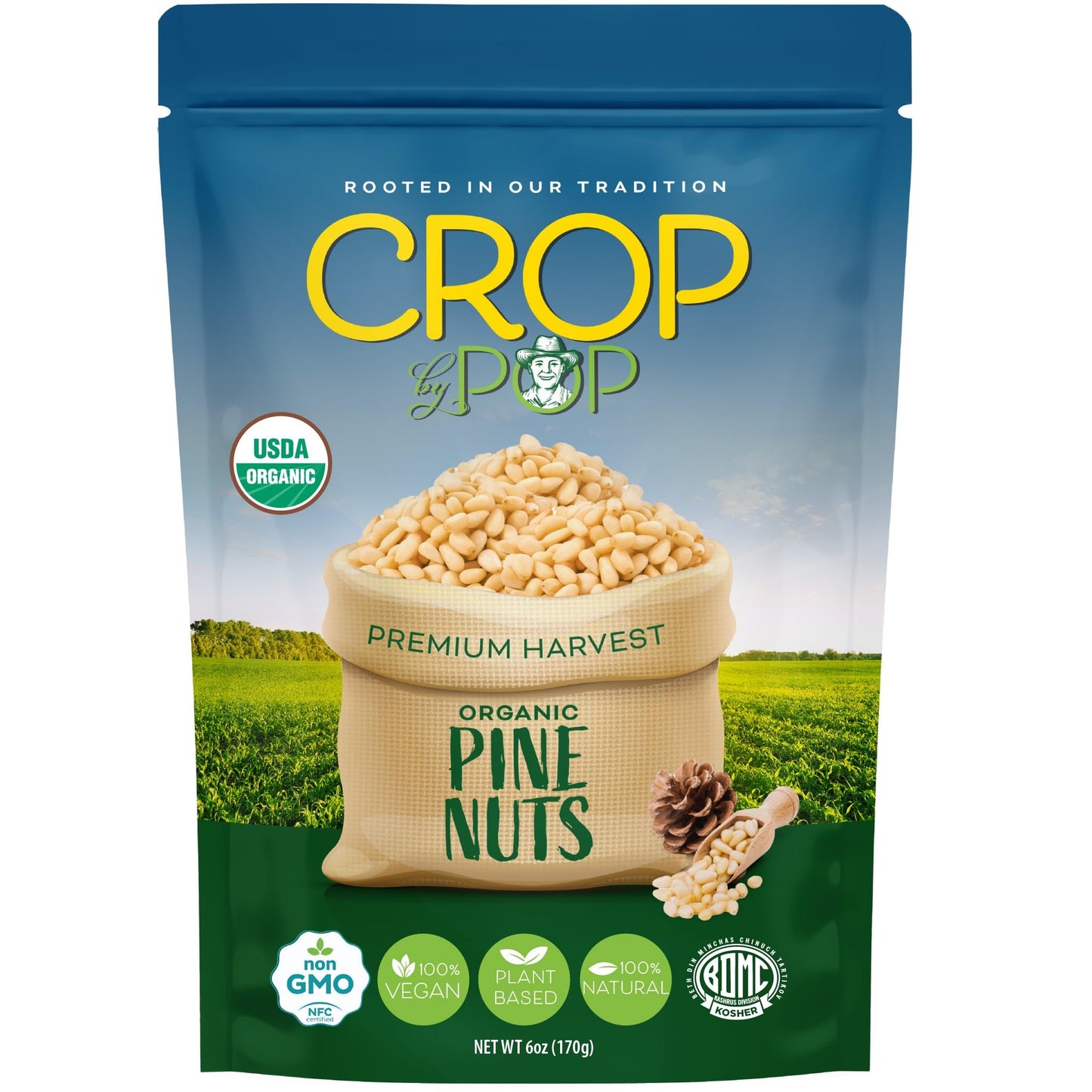
Organic Raw Pine Nuts (Pignolias) — Unsalted - 1 lb (16 oz)
Regular price
$25.97
Sale price
$25.97
Regular price
List Price:
Quantity
Couldn't load pickup availability
Organic Raw Pine Nuts (Pignolias) — Unsalted
- Spend $35 free shipping locked
- Spend $60 10% off locked
- Spend $100 15% off locked
Free Shipping Over $35
Packed Fresh USA
100% Satisfaction Guarantee


You may also like
-
Raw Almonds, Sliced (Natural)
Regular price From $14.97Sale price From $14.97 Regular price List Price: -
Raw Brazil Nuts, Shelled
Regular price From $7.97Sale price From $7.97 Regular price List Price: -
Happy Birthday Treats, Nuts & Dried Fruits Tower Gift Basket with Bday Ribbon (12 Assortments)
Regular price $49.68Sale price $49.68 Regular price List Price: -
Birthday Snack Box — Care Package with 45 Sweet Treats + Happy Birthday Card
Regular price From $29.38Sale price From $29.38 Regular price List Price: -
Organic Raw Brazil Nuts
Regular price From $12.97Sale price From $12.97 Regular price List Price: -
Mixed Candy Heart Shaped Gift Basket, Love in A Box (6 Assortments)
Regular price $29.99Sale price $29.99 Regular price List Price:
Pine nuts, called pignolias in Italian culinary tradition, are extracted by hand from the cones of specific pine tree species - a slow, labor-intensive harvest that takes place once a year when the cones have dried and opened. That process explains the price premium, and it is also the reason freshness matters more for pine nuts than for most other nuts. Crop by Pop sources these as shelled, raw, unsalted pignolias, USDA Certified Organic, Non-GMO verified, and Vegan, packed fresh in the USA in a resealable bag. Ingredients: Organic Pine Nuts. Certified Organic by: Natural Food Certifiers. Contains: Tree Nuts. Manufactured in a facility that also processes Tree Nuts, Wheat, Peanuts, and Soy. Available in 6 oz and 1 lb. For the full range of Crop by Pop organic varieties, browse the Nuts and Organic Collection.
What You're Buying
Crop by Pop is the USDA Certified Organic line within the Nut Cravings family. Every product in the range carries USDA Organic certification, Non-GMO verification, and Vegan status as baseline standards applied consistently across the full lineup.
Most tree nuts are harvested mechanically: machines shake the tree, the nuts fall, and they are collected and processed at scale. Pine nuts cannot be harvested this way. They grow inside tightly sealed pine cones on specific pine species. The cones must be collected before they open, dried to allow the scales to separate, and then individual pine nuts must be extracted from between the cone scales by cracking and hand-sorting. One pine tree produces a small number of cones per season. One cone yields a small number of pine nuts. The ratio of labor to finished product is dramatically higher than any orchard nut, which is why pine nut prices reflect a cost structure that is genuinely different from the rest of the nut category. Organic certification adds to that cost by requiring that the growing environment and handling process meet National Organic Program standards throughout, verified through annual third-party inspection by Natural Food Certifiers, an independent USDA-accredited certifying agent.
Understanding this context is useful because it explains why a 1 lb bag of organic pine nuts is the right scale of purchase: pine nuts are used in measured quantities in cooking rather than eaten by the handful as a daily snack nut. A pound goes further in kitchen use than a pound of cashews or almonds.
Pine mouth syndrome - a consumer disclosure: A small percentage of people who eat pine nuts experience a temporary phenomenon called pine mouth syndrome: a bitter or metallic taste that develops one to three days after eating pine nuts and persists for several days to two weeks before resolving on its own. Pine mouth syndrome is not an allergic reaction, not a sign of spoiled pine nuts, and not harmful. It is a temporary taste disturbance believed to be associated with certain pine nut species rather than others, though the exact mechanism is not fully understood in the scientific literature. It affects a small fraction of pine nut consumers and resolves completely without treatment. This is disclosed here as accurate consumer information about pine nuts as a product category.
Nutrition Per One Ounce (28g)
Per one ounce serving, approximately 160 to 170 kernels: 190 calories, 19g total fat (24% DV), 1g saturated fat (5% DV), 0g trans fat, 0mg cholesterol, 0mg sodium (0% DV), 4g total carbohydrate (1% DV), 1g dietary fiber (4% DV), 0g total sugars, 0g added sugars, 4g protein. Calcium: 0mg (0%). Iron: 0mg (0%). Potassium: 0mg (0%). Vitamin D: 0mcg (0%).
At 19g total fat per ounce with only 1g saturated fat, pine nuts carry one of the highest ratios of unsaturated-to-saturated fat of any nut in the common category. The fat profile is predominantly monounsaturated and polyunsaturated. Pine nut fat includes pinolenic acid, a polyunsaturated fatty acid found in high concentration in pine nuts and in very few other food sources. The high fat and moderate protein content at 4g per ounce produces genuine satiety from a small quantity, which aligns with how pine nuts are used in cooking: small measured amounts that contribute meaningfully to the richness and satisfaction of a finished dish without requiring large quantities to achieve that effect. Zero sodium and zero sugars are the natural composition of raw unsalted pine nuts with nothing added.
How to Use Organic Raw Pine Nuts
Pesto
Traditional Genovese basil pesto uses pine nuts as the nut component. Their soft texture and mild, creamy, resinous flavor produce a paste that carries basil and garlic without the bitterness that walnuts introduce or the density that cashews add. Two to three tablespoons of raw pine nuts blended with fresh basil, garlic, Parmesan, olive oil, and salt produces the pesto texture and flavor the recipe was built around. Toasting them lightly in a dry pan for two to three minutes before blending adds a deeper, nuttier dimension to the finished sauce. Raw organic pine nuts are specifically the right starting point because they have not already been roasted to a fixed level, giving complete control over the final flavor depth.
Toasting Pine Nuts - The Step Worth Getting Right
Raw pine nuts are mild and creamy. Toasted pine nuts are golden, fragrant, and significantly more complex in flavor. Most professional cooking applications call for toasted pine nuts specifically. Pine nuts burn faster than almost any other nut due to their small size and high fat content. Method: place raw pine nuts in a single layer in a dry skillet over medium heat without any added oil. Stir or shake the pan every thirty seconds. They go from pale to golden in two to three minutes and from golden to burnt in the following thirty seconds. Remove from the pan the moment they reach a light golden color and pour immediately onto a cool plate or paper towel to stop the cooking — residual pan heat continues cooking them if they remain in the skillet after the burner is off. Toast small quantities as needed rather than the full bag at once. Toasted pine nuts keep in a sealed container at room temperature for two to three days.
Salads and Grain Dishes
Toasted pine nuts scattered over a salad or stirred into a warm grain bowl of farro, quinoa, or couscous add a small burst of buttery richness and a light crunch in a format that does not compete with other ingredients the way a larger nut would. Their size means they distribute evenly through a dressed salad without needing to be chopped. Toast in a dry pan until golden as described above before adding.
Pasta and Roasted Vegetables
Scattered over pasta dishes, pine nuts add textural and flavor contrast to the surrounding sauce. On roasted cauliflower, broccolini, or sauteed spinach, a small handful of toasted pine nuts added before serving delivers richness and a mild resinous sweetness that elevates a simple vegetable preparation without adding complexity to the technique. The standard finishing quantity in these applications is one to two tablespoons per serving.
Baked Goods and Desserts
In Mediterranean and Middle Eastern baking traditions, pine nuts appear on the surface of flatbreads, embedded in filled pastries and date cookies, pressed into rice pudding before serving, and folded into semolina-based cakes. Their natural sweetness and small size suit both sweet and savory baked applications. Raw pine nuts go into these preparations without pre-toasting because the oven does the toasting in context with the surrounding recipe.
Stuffings and Rice Pilafs
Pine nuts are a foundational component in spiced rice stuffings for grape leaves, peppers, and zucchini alongside currants and warm spices in Eastern Mediterranean cooking traditions. The combination of pine nuts and dried currants in a spiced rice pilaf is one of the most widely used flavor pairings in that culinary tradition. Raw unsalted pine nuts are the correct starting point for these applications because the salt and roast level of the finished dish is developed through the cooking process, not pre-set by the nut.
Choosing the Right Size
The 6 oz bag contains approximately 170g of pine nuts, providing roughly six one-ounce servings. For buyers who use pine nuts occasionally, for a single large batch of pesto, or who are trying organic pine nuts for the first time before committing to a larger quantity, the 6 oz size is the practical starting point. A single batch of basil pesto typically uses two to four tablespoons of pine nuts. The 6 oz bag covers several pesto batches or a series of pasta and grain dish additions.
The 1 lb bag is the better value per ounce and suits buyers who use pine nuts regularly across pesto, pasta, grain dishes, baked goods, and salads throughout the season. At 16 one-ounce servings, the 1 lb bag covers meaningful cooking volume. The freezer storage recommendation below applies especially to the 1 lb size: storing the full bag in the freezer and pulling cooking quantities as needed is the correct approach for maintaining the quality of the full pound across the weeks or months of kitchen use.
Storage
Pine nuts go rancid faster than almost any other nut due to their high polyunsaturated fat content. Rancid pine nuts have a sharp, bitter, acrid taste that is immediately identifiable and ruins any recipe they are used in. Storage quality is the most critical variable in the pine nut purchase.
- Room temperature, sealed resealable bag, away from heat and direct sunlight: 2 to 4 weeks after opening before flavor starts to turn.
- Refrigerated in the sealed bag: 1 to 2 months.
- Frozen in an airtight container: 3 to 6 months.
For a 1 lb bag used primarily for pesto and cooking applications, the freezer is the correct storage location from the day of arrival. Frozen pine nuts do not need thawing before use in pesto or cooked dishes: they go directly into the food processor or the hot skillet. Pull small quantities into the refrigerator the evening before a planned cooking session if room-temperature pine nuts are preferred for a specific preparation. The 6 oz bag at occasional use should also be refrigerated promptly and used within the one-to-two month refrigerator window.
Organic Raw Pine Nuts Guarantee
Every Nut Cravings order is backed by a 100% satisfaction guarantee. If these organic raw pine nuts arrive with any quality concern or fall short of expectations, contact the team and the issue will be resolved promptly with no complicated return process required.
Customer Reviews
We’re More Than Just Snacks
Nuts

Dry Fruits
Everyday blends of nuts, seeds, and fruits simple, satisfying, and ready to enjoy anywhere.

Gifts
Beautiful assortments made to delight perfect for birthdays, holidays, & heartfelt thank yous.

Organic
Pure and certified organic — clean, natural ingredients for mindful snacking.

Seasonal Gifts
Limited-edition assortments inspired by every season and celebration.

Chocolate & Treats
Chocolates, brittles, and confections that turn any snack break into a special moment.

Mixed Nuts & Bar Mix
Protein-packed combinations of nuts, seeds, and fruits crafted for energy and wellness.

Care Packages
Thoughtful boxes filled with joy and flavor — send care to friends, family, or colleagues.

Corporate Gifting
Elegant, customizable boxes designed to impress teams, clients, and partners.